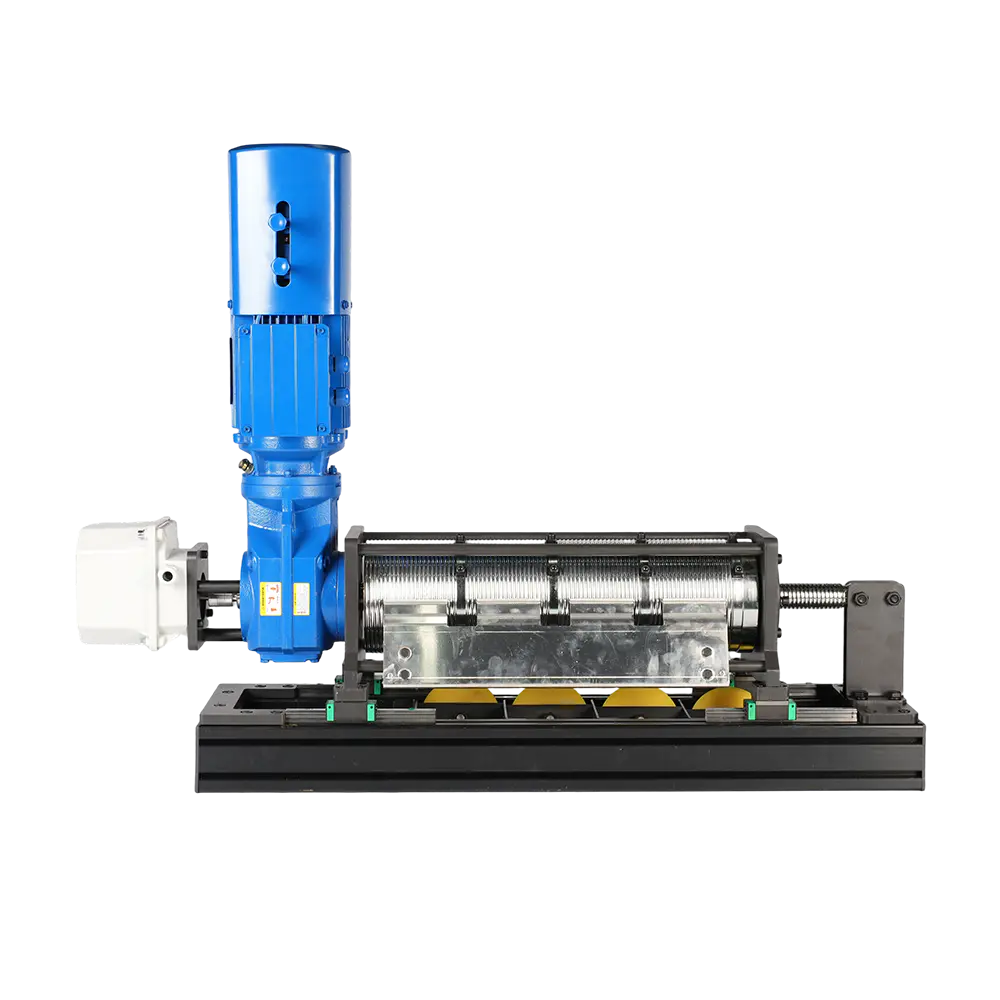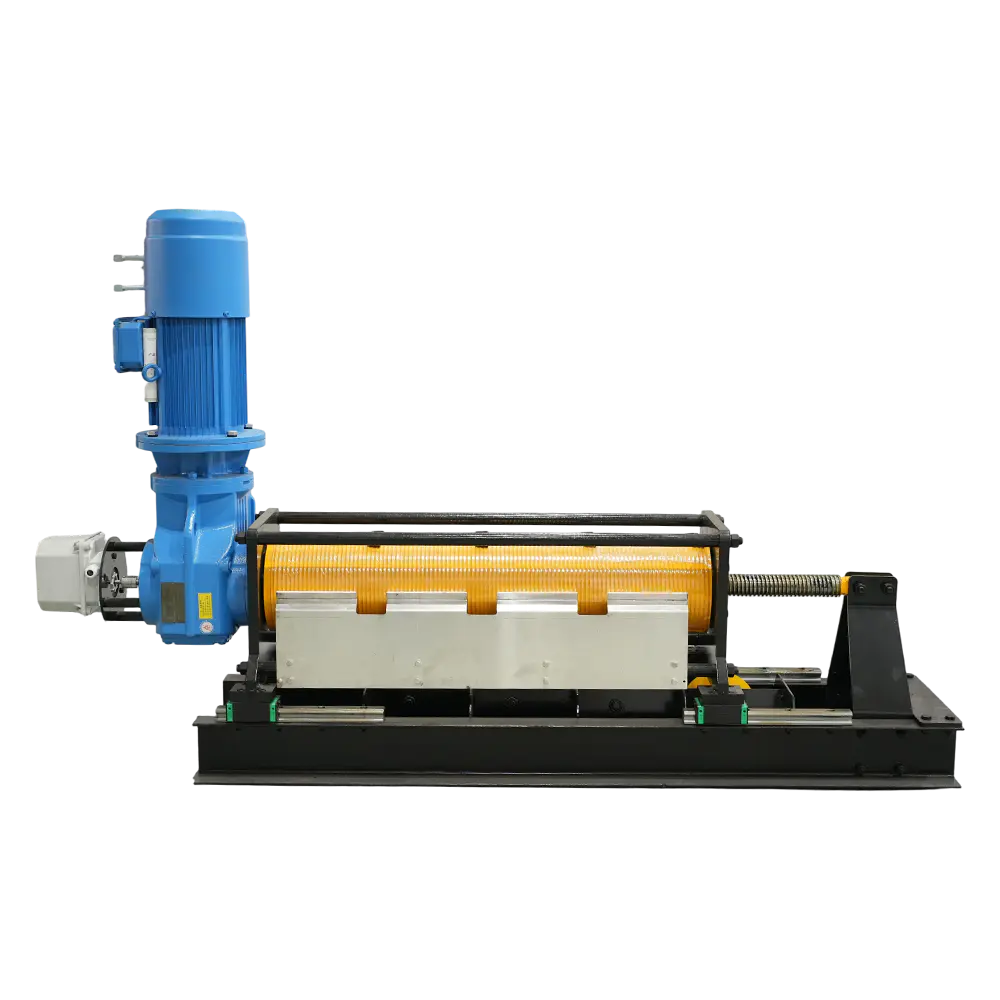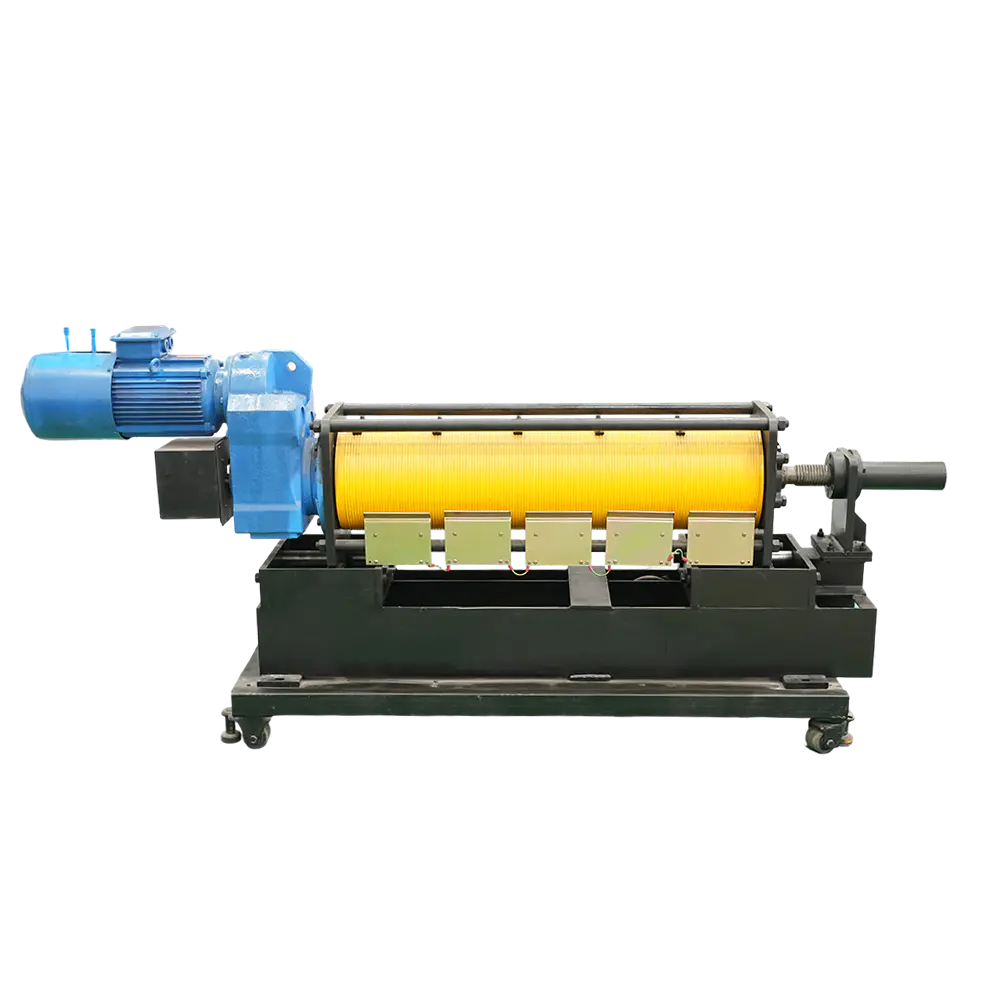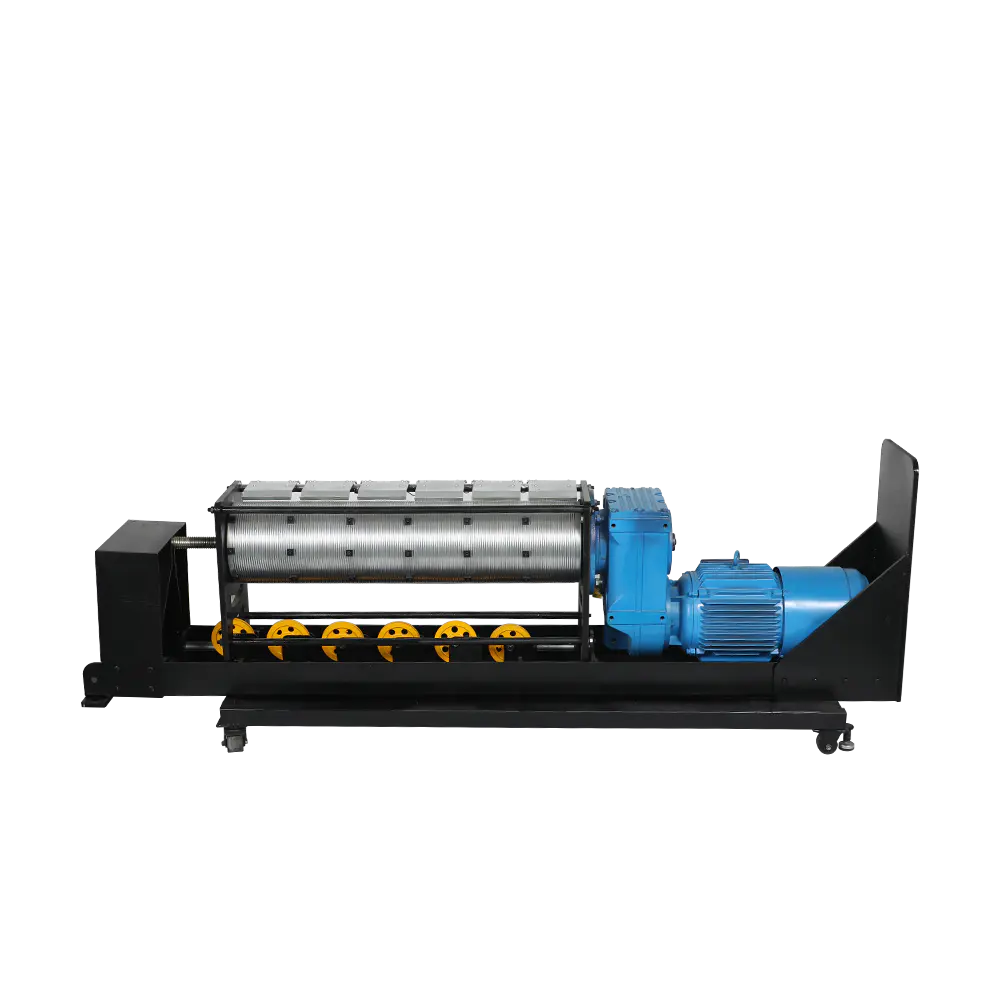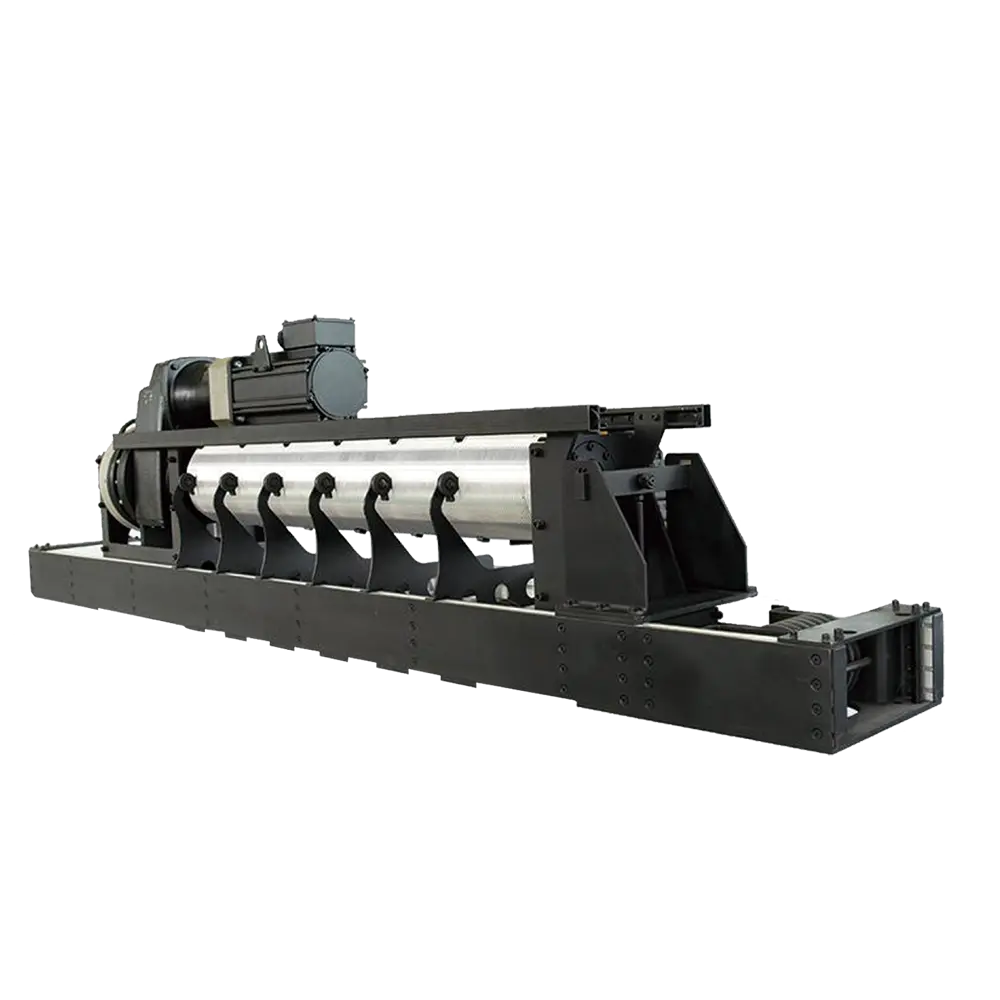
Fire safety in performance venues depends on more than alarms, detectors, extinguishing systems, and evacuation procedures. In a modern theater, the stage fire curtain is one of the most important physical barriers between the performance area and the audience. When a fire occurs, the curtain must descend quickly, remain stable, and create an effective separation between flames, radiant heat, and smoke. The Fire Curtain Damper is the component that makes this movement controlled rather than uncontrolled.
A fire curtain can be large, heavy, and exposed to significant mechanical forces during operation. If it drops too quickly, swings during descent, or stops with excessive impact, the curtain, guide rails, cables, drums, supports, and surrounding structures may be damaged. A properly engineered Fire Curtain Damper addresses these risks by regulating descent speed and absorbing kinetic energy. It helps the curtain reach its closed position smoothly and reliably, even when the system is operating under emergency conditions.
Modern Fire Curtain Dampers combine heat-resistant mechanical structures, hydraulic control, braking systems, sensors, and intelligent control interfaces. This combination provides a higher level of performance than a simple mechanical stop or basic friction brake. The damper can be adapted to different curtain weights, dimensions, operating speeds, and control architectures. It can also be integrated with fire alarm systems, programmable logic controllers, remote-control platforms, and automated stage machinery.
For theaters, cultural centers, stadiums, convention centers, school auditoriums, entertainment venues, and multifunctional performance spaces, the Fire Curtain Damper is not merely an accessory. It is a core safety device that supports the dependable operation of the complete stage fire curtain system.
Fire Curtain Damper
The main purpose of a Fire Curtain Damper is to control the downward movement of a fire curtain. In many stage installations, the curtain is designed to descend under its own weight when a fire signal is received or when the operating system is released. Gravity provides the necessary force for rapid closure, but gravity alone does not provide a safe or controlled movement profile.
At the beginning of descent, the curtain may accelerate quickly. As the curtain moves through its travel path, its speed and the forces applied to the support system can increase. Near the bottom of the travel path, the curtain must be brought to a controlled stop or a stable resting position. Without a suitable damping system, the resulting impact may create excessive stress and vibration.
The Fire Curtain Damper manages this energy through hydraulic resistance, mechanical braking, or a combined control arrangement. Hydraulic components such as directional valves, throttle valves, speed valves, stroke valves, escape valves, and hydraulic stations can be selected and adjusted to produce the required movement characteristics. The result is a controlled descent that reduces shock loading while preserving the emergency function of the curtain.
A well-designed damper can support several important functions:
1. It limits excessive descent speed.
2. It provides a cushioning effect during the final stage of movement.
3. It reduces impact on guide rails, cables, bearings, drums, and structural supports.
4. It helps the curtain maintain a stable vertical path.
5. It supports automatic and remote-control operation.
6. It provides a reliable response during power interruptions when combined with suitable mechanical brakes and emergency controls.
7. It allows the system to be adjusted for different curtain weights and travel requirements.
These functions are especially important because a fire curtain is expected to operate correctly when personnel may have limited time to respond. The damper must therefore be engineered for predictable performance, clear control logic, and reliable mechanical operation.
A fire curtain is usually much heavier than an ordinary stage drape. It may include a fire-resistant curtain body, bottom bar, lifting or lowering hardware, guide elements, counterweights, cables, and other structural components. When this assembly begins to fall, it contains potential energy. If that energy is released too rapidly, it can become a source of mechanical damage.
Uncontrolled movement may produce several hazards. The curtain may strike the floor or another structural component with excessive force. Steel cables may experience sudden tension. Guide rollers and bearings may suffer premature wear. The curtain may sway or twist, reducing its ability to form a dependable barrier. The drive system may also be damaged, increasing repair costs and extending downtime.
Controlled descent does not mean that the fire curtain should move slowly in an emergency. The objective is to achieve a rapid but managed closure. The damper must be selected and configured so that the curtain reaches the required closed position within the project’s intended response time while avoiding unnecessary shock. This balance requires engineering knowledge and accurate matching between the damper and the curtain system.
Hydraulic damping is particularly useful because hydraulic resistance can be adjusted to produce a more consistent movement profile. Instead of relying only on a fixed mechanical stop, the system can manage movement across different stages of travel. Throttle valves and speed-control components can help regulate flow, while directional valves guide hydraulic operation. The hydraulic station provides the energy and control interface required for the system design.
The effectiveness of controlled descent depends on more than the damper alone. The curtain weight, travel distance, cable arrangement, drum diameter, guide alignment, structural rigidity, brake setting, sensor position, and control sequence must all be considered. For this reason, a professional manufacturer should evaluate the complete application before finalizing the damper specification.
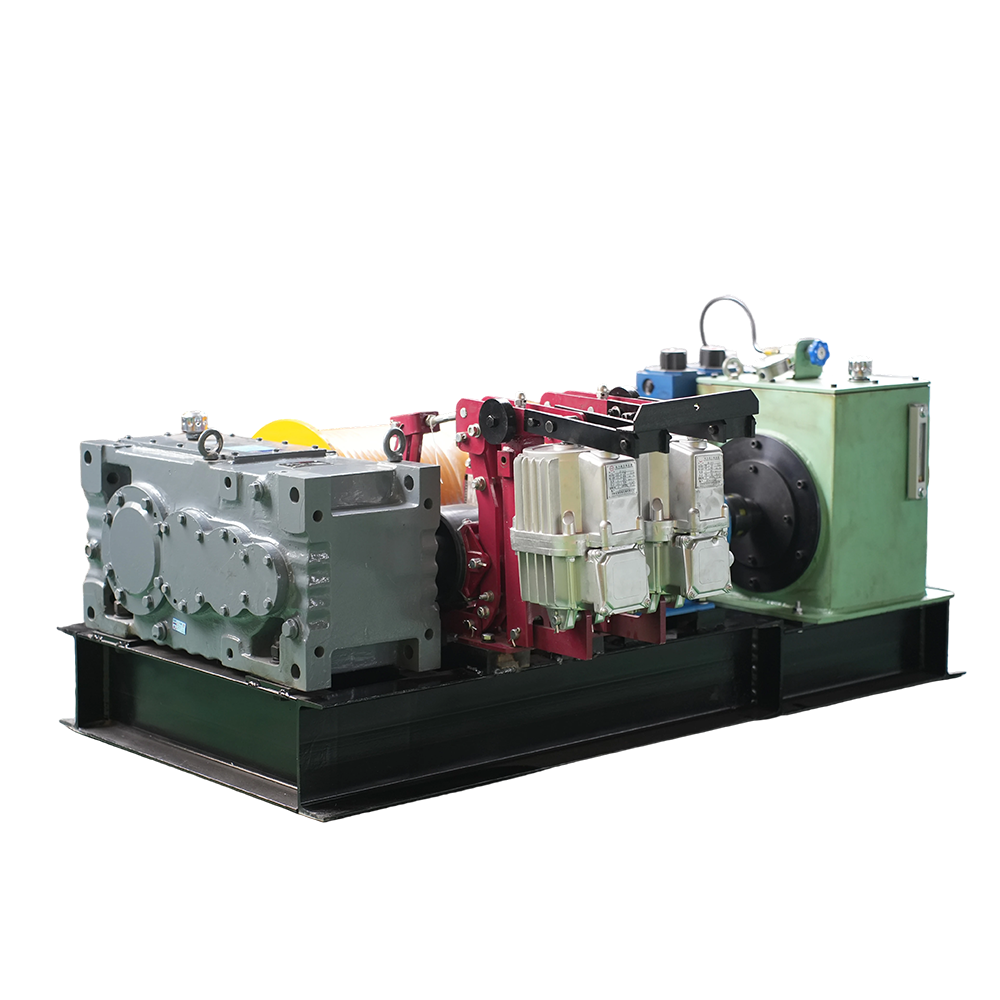
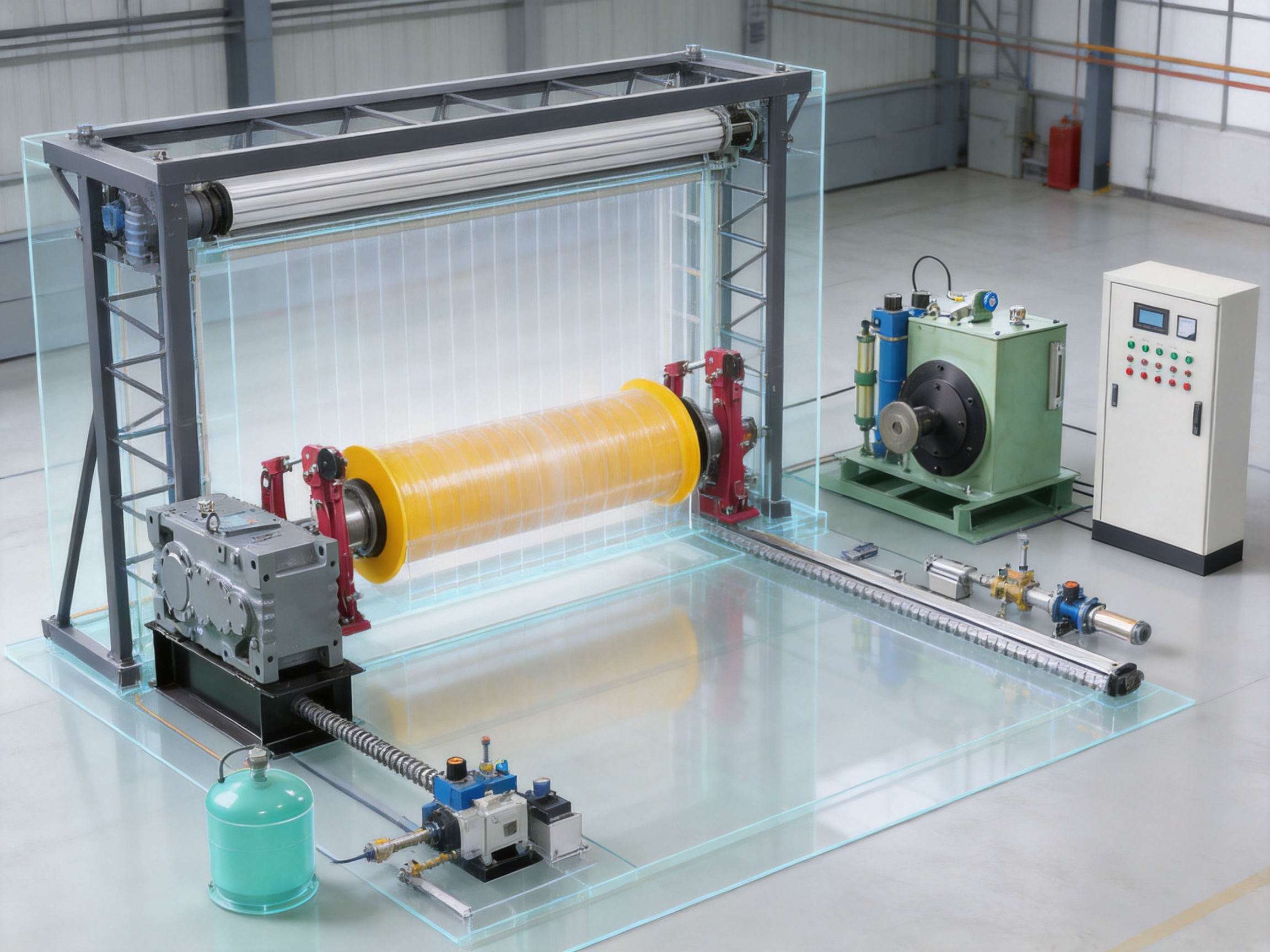
A Fire Curtain Damper is typically made up of several interconnected mechanical, hydraulic, electrical, and control components. The exact configuration varies according to the venue and project requirements, but the following components are commonly considered during design.
The main structure supports the damper and related operating components. It must be designed to withstand the mechanical forces generated during normal operation and emergency descent. Heat-resistant and erosion-resistant materials are important because stage fire safety equipment may be exposed to elevated temperatures, smoke, and corrosive combustion products during a fire.
Material selection should consider strength, dimensional stability, corrosion resistance, service environment, and expected operating life. Protective finishes and suitable surface treatments may be used to improve durability. The structure should also allow access for inspection, adjustment, and maintenance without requiring unnecessary removal of surrounding stage equipment.
The electric motor and gear reducer can be used to operate, reset, or support the curtain system, depending on the control design. The reducer converts motor speed into suitable torque and movement. Proper sizing is essential because an undersized drive may experience overheating or insufficient torque, while an oversized drive may increase cost and create unnecessary mechanical stress.
The drive arrangement should be matched to the roller drum, shaft coupling, curtain mass, operating cycle, and required response. In automated stage applications, the motor and reducer may also interact with position sensors, braking components, and programmable controls.
Dual braking is one of the most valuable safety features available in a professional Fire Curtain Damper system. Two independent braking functions can provide additional protection if one braking path requires service or does not perform as expected. The exact arrangement depends on the system design, but the principle is to avoid relying on a single braking element for emergency control.
Independent braking capability can support safer stopping, emergency holding, and power-loss response. It also provides an additional layer of protection during testing and maintenance. Brake selection must take into account the moving mass, travel speed, stopping distance, duty cycle, and environmental conditions.
The roller drum transfers movement to the curtain or its supporting cables. Shaft couplings connect rotating elements while helping maintain alignment between the drive, drum, and braking system. Accurate machining and proper assembly are important because misalignment can create vibration, noise, uneven loading, and accelerated wear.
The drum diameter and surface configuration should be selected according to the cable, curtain arrangement, and required winding or unwinding pattern. The drum must operate smoothly across the full travel range and should be accessible for inspection.
The hydraulic station supplies and manages the hydraulic energy required for damping control. It may include a motor, pump, reservoir, pressure-control elements, pipe fittings, and monitoring components. The hydraulic circuit can include an electromagnetic directional valve, throttle valve, stroke valve, escape valve, and speed valve.
The electromagnetic directional valve controls the direction of hydraulic flow. The throttle valve adjusts flow resistance and therefore influences movement speed. The stroke valve can help define the operating range, while the escape valve provides a controlled path for pressure release when required. The speed valve may be used to fine-tune the movement profile. These components must be selected as a coordinated system rather than as isolated parts.
Travel sensors provide information about the curtain position. They can be used to identify the upper position, lower position, intermediate travel, or abnormal movement. Accurate sensor positioning is essential for automatic control and system diagnostics.
Linear bearings and guide components help maintain smooth movement and reduce friction. They should be installed with attention to alignment, load distribution, contamination protection, and access for maintenance. In a large venue, even small alignment errors can become significant across a long curtain travel distance.
A lead screw may be used for positioning, adjustment, locking, or auxiliary movement, depending on the system architecture. A gear motor can provide controlled rotary power for operating or resetting related mechanisms. These components must be integrated into the control sequence so that they do not conflict with emergency descent or manual intervention.
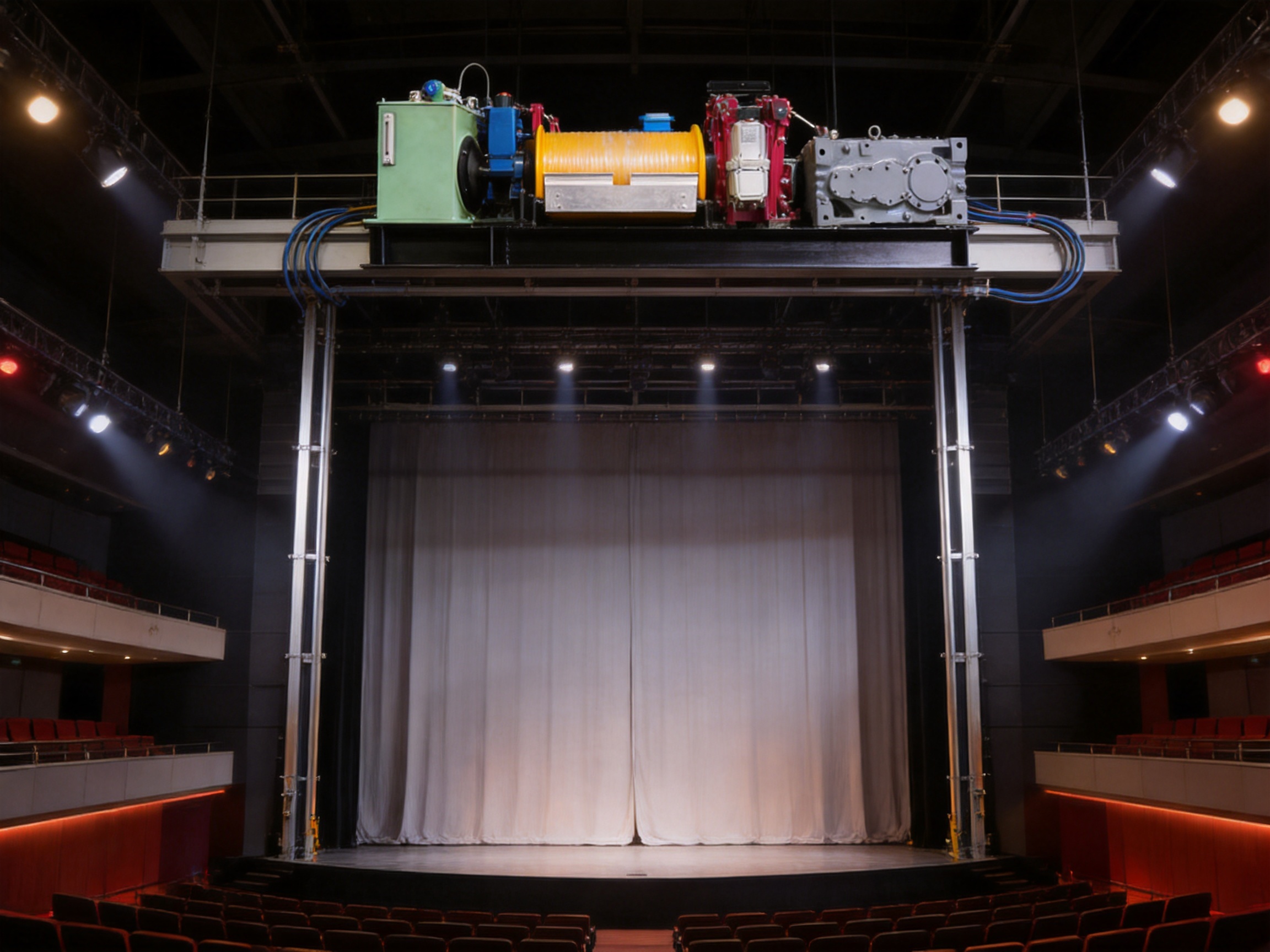
Traditional fire curtain systems may rely on simple mechanical friction, fixed stops, or limited braking arrangements. These solutions can be suitable for certain applications, but they may offer less flexibility when curtain size, mass, or operating requirements increase. A modern hydraulic Fire Curtain Damper provides several advantages over a basic braking device.
A hydraulic control circuit can regulate movement throughout the descent rather than only at the final stopping point. This allows engineers to create a smoother speed profile and reduce sudden acceleration or deceleration. Consistent movement is especially valuable for wide or heavy curtains that may be more susceptible to sway and structural vibration.
Hydraulic damping absorbs and dissipates energy gradually. This can reduce the impact transmitted to the curtain assembly, guide rails, drums, support frames, and building structure. Lower impact forces may help extend the operating life of connected components and reduce the frequency of corrective maintenance.
Different venues have different curtain dimensions, weights, travel heights, and control systems. A configurable hydraulic damper can be adjusted to match the actual application. Valve settings, brake characteristics, sensor positions, and control parameters can be selected according to project requirements rather than forcing every installation into one standard operating profile.
Modern venues increasingly use centralized building management, fire alarm, PLC, and stage automation systems. A Fire Curtain Damper can be designed with control interfaces that support automatic operation, remote monitoring, status feedback, and emergency sequences. This makes the damper a functional part of an intelligent safety system instead of an isolated mechanical unit.
Sudden stopping is one of the primary causes of unnecessary mechanical stress. By controlling speed and cushioning the final movement, the damper can reduce shock loads. This advantage may be especially important for venues that conduct frequent testing, rehearsals, performances, and inspections.
A well-planned damper assembly provides access to valves, sensors, brakes, couplings, and hydraulic components. Maintenance personnel can inspect and adjust the system more efficiently when the equipment is designed with service access in mind. Clear component identification and organized routing of electrical and hydraulic lines can also reduce troubleshooting time.
| Evaluation Area | Basic Mechanical Braking | Hydraulic Fire Curtain Damper |
|---|---|---|
| Speed control | Often limited to fixed resistance or final stopping | Adjustable control across the travel path |
| Cushioning performance | May produce higher impact at the end of travel | Designed for smoother energy absorption |
| Application flexibility | More dependent on standard configurations | Can be matched to curtain mass, size, and travel |
| Control integration | May require additional equipment | Can be integrated with PLC, alarm, and remote systems |
| Emergency redundancy | May depend on one primary mechanism | Can include hydraulic control and dual braking |
| Maintenance approach | Inspection of wear surfaces and stops | Inspection of hydraulic, electrical, mechanical, and sensor systems |
Fire protection equipment must operate reliably under stressful conditions. The Fire Curtain Damper supports this objective through a combination of structural, mechanical, hydraulic, and intelligent safety functions.
The main structure and exposed components should be selected for the expected environmental conditions. Heat-resistant materials help preserve structural integrity during the initial stages of a fire. Erosion-resistant finishes can help protect surfaces from smoke, moisture, and other contaminants that may affect long-term performance.
Dual braking can provide a second layer of protection. The brakes should be designed, installed, and tested so that they can perform their intended function independently when necessary. Brake inspection should include physical condition, response, mounting integrity, and compatibility with the control sequence.
A fire emergency may involve power interruption or unstable electrical conditions. For this reason, the damper system should be designed with an appropriate emergency response strategy. Depending on the project, the system may use stored mechanical energy, hydraulic control, electromagnetic release, independent brakes, or other fail-safe arrangements.
Power-failure performance should be confirmed during commissioning. Operators should understand what happens when normal power is removed, when an emergency signal is received, and when manual intervention is required. A clear sequence reduces uncertainty during testing and real emergencies.
Travel sensors and limit devices provide information about the curtain position. Position feedback can identify whether the curtain is fully open, moving, fully closed, or in an abnormal intermediate condition. This information can be displayed locally or transmitted to a control system.
Position monitoring also supports preventive maintenance. If the system repeatedly takes longer to reach a position, moves unevenly, or stops at an unexpected point, the change may indicate a developing problem with alignment, hydraulic flow, braking, or mechanical wear.
The emergency descent must be rapid enough to fulfill the intended fire separation function but controlled enough to avoid dangerous impact. The damper is responsible for helping achieve this balance. Its settings should be verified with the actual curtain installed, because changes in curtain fabric, bottom bar, cable arrangement, or friction conditions can affect performance.
The performance of a Fire Curtain Damper depends heavily on manufacturing precision. A reliable product is not created only by selecting good components. It requires controlled design, accurate machining, disciplined assembly, functional testing, and professional commissioning.
The manufacturing process begins with a review of the project application. Engineers should evaluate curtain width, height, mass, travel distance, operating speed, guide arrangement, support structure, available installation space, electrical supply, fire alarm interface, and required control functions.
This information is used to determine the damper capacity, hydraulic circuit, brake arrangement, motor and reducer specifications, drum configuration, sensor locations, and mounting details. Application-based design is a major advantage over products selected only from a general catalog. It helps ensure that the equipment is appropriate for the actual venue.
A complete equipment layout helps verify the relationship between the damper, roller drum, shafts, guide rails, curtain, hydraulic station, control cabinet, and maintenance access areas. Three-dimensional design can be used to identify interference risks before fabrication.
Component coordination is especially important in stage machinery because equipment is often installed above the stage, inside narrow technical spaces, or near lighting, rigging, ventilation, and audio systems. A practical design must consider not only performance but also transport, installation, inspection, and future replacement.
Structural components should be manufactured from materials suitable for the design loads and operating environment. Cutting, drilling, turning, milling, welding, and surface treatment should follow controlled procedures. Dimensional accuracy is important for mounting holes, bearing seats, shaft connections, valve interfaces, and sensor brackets.
Machined parts that rotate or support loads require particular attention. Shaft concentricity, coupling alignment, drum balance, bearing fit, and keyway accuracy all affect smooth operation. Small errors can produce vibration or uneven loading that becomes more serious during repeated operation.
Welded frames and supports must be assembled according to approved drawings and appropriate welding procedures. Weld quality, dimensional accuracy, deformation, and surface condition should be inspected before painting or final assembly.
Structural inspection helps confirm that the frame will maintain alignment under operating loads. The mounting surface should be stable, and the finished structure should provide sufficient rigidity for the damper, brakes, hydraulic station, and associated components.
Hydraulic systems require careful assembly because contamination can affect valve performance, seal life, and pressure stability. Pipes and fittings should be cleaned, properly sealed, and routed to avoid unnecessary bending or vibration. Hydraulic hoses, where used, should have suitable pressure ratings and bending radii.
The hydraulic station should be checked for leakage, pressure stability, valve response, flow adjustment, and emergency release behavior. Reservoir levels, filters, seals, and connection points should be inspected before commissioning.
Electrical components are installed and wired according to the approved control design. The system may include motor starters, brake controls, sensor inputs, electromagnetic valves, emergency stop circuits, alarm interfaces, and remote-control connections.
Control logic should be tested under normal operation, emergency operation, sensor interruption, power failure, and reset conditions. Wiring should be identified clearly so that future maintenance personnel can trace circuits efficiently.
Before shipment, the completed damper should undergo factory inspection and functional testing. Depending on the project, testing may include unloaded operation, brake response, sensor function, hydraulic flow adjustment, motor direction, valve switching, emergency release, and control communication.
Factory testing cannot replace on-site testing with the final curtain and building structure, but it can identify manufacturing or assembly problems before delivery. Inspection records and test documentation help create a traceable quality history for the equipment.
A Fire Curtain Damper is part of a larger stage safety system. The manufacturer’s value therefore depends not only on the hardware but also on its ability to provide engineering support throughout the project life cycle.
RenteZhihe (Jiangsu) Equipment Technology Co., Ltd. specializes in the research, development, design, manufacture, installation, commissioning, and technical service of stage machinery and intelligent systems. Its product development approach combines mechanical engineering, hydraulic control, electrical automation, and venue-specific application knowledge.
The company operates a modern production workshop of approximately 13,000 square meters and an office and research center of approximately 7,000 square meters. These facilities support product development, manufacturing coordination, assembly, testing, project management, and technical service. A larger production and engineering platform allows different disciplines to work together instead of treating the damper as an isolated purchased component.
With more than ten years of industry experience, the company has delivered stage machinery and fire protection solutions for more than 1,000 projects. These projects include theaters, cultural and art centers, stadiums, conference centers, school auditoriums, and entertainment venues. Experience across different venue types helps engineers understand how architectural conditions, stage operations, safety systems, and maintenance practices influence equipment selection.
The company’s integrated service model covers several stages:
1. Technical consultation and application review.
2. Curtain and stage machinery data collection.
3. Product and system design.
4. Component selection and manufacturing.
5. Factory assembly and testing.
6. Transportation and installation support.
7. On-site commissioning and performance adjustment.
8. Operator training and technical documentation.
9. Maintenance guidance and after-sales service.
This integrated approach can reduce coordination problems between separate suppliers. It also makes it easier to adjust the damper to the actual curtain and building conditions. During project implementation, the engineering team can customize the structure, damping performance, brake configuration, and control compatibility according to the project’s requirements.
No two stage fire curtain systems are exactly alike. A small school auditorium may require a different damper arrangement from a large opera house or stadium. The curtain may be operated by a motorized system, a gravity descent arrangement, or a combined mechanism. The control system may be local, centralized, remote, or integrated with a wider building automation platform.
Customization may involve the following parameters:
1. Curtain width and height.
2. Total curtain mass.
3. Travel distance and descent time.
4. Roller drum size and shaft arrangement.
5. Guide rail configuration.
6. Hydraulic pressure and flow requirements.
7. Brake capacity and redundancy.
8. Motor and reducer specifications.
9. Sensor type and position.
10. Control cabinet interface.
11. Fire alarm and emergency signal connections.
12. Available installation and maintenance space.
Custom engineering should not be confused with uncontrolled modification. Changes must be documented, reviewed, and tested. A professional manufacturer maintains a controlled design process so that customization improves suitability without compromising safety or serviceability.
Correct installation is essential for Fire Curtain Damper performance. Even a well-manufactured unit may operate poorly if the support frame is misaligned, the drum is not level, the guide rails are obstructed, or the hydraulic lines are installed incorrectly.
Before installation, the site should be checked for structural readiness, equipment access, power supply, control interfaces, lifting arrangements, and safe working conditions. Mounting surfaces should meet the specified requirements, and all necessary embedded parts or support brackets should be available.
During installation, technicians should verify the alignment of the frame, shaft, drum, bearings, coupling, and guide system. Fasteners should be tightened according to the approved requirements. Hydraulic pipes and electrical cables should be routed securely and protected from stage traffic, heat sources, sharp edges, and accidental impact.
Commissioning should include manual inspection, powered movement, emergency movement, brake testing, sensor verification, valve adjustment, alarm interface testing, and power-failure simulation. The curtain should be observed throughout its travel path. Engineers should check for vibration, sway, abnormal noise, uneven movement, leakage, delayed response, and incorrect stopping positions.
Testing should be repeated after final adjustments. The final settings should be recorded so that future maintenance personnel can identify changes in performance. Operators should also receive instructions on normal operation, emergency procedures, inspection points, and reporting requirements.
Regular maintenance helps preserve the reliability of the Fire Curtain Damper. Maintenance intervals should be established according to the equipment design, venue operating schedule, environmental conditions, applicable fire protection requirements, and manufacturer recommendations.
Routine inspections may include:
1. Checking the damper frame for corrosion, deformation, or loose fasteners.
2. Inspecting the roller drum, shaft couplings, bearings, and guide components.
3. Checking brake condition and independent braking response.
4. Inspecting hydraulic pipes, hoses, fittings, seals, and the reservoir.
5. Confirming that valves operate correctly and that flow settings remain stable.
6. Testing travel sensors, limit devices, and position feedback.
7. Checking motor, reducer, and gear motor operation.
8. Reviewing control cabinet connections and emergency circuits.
9. Operating the curtain through its complete travel path under controlled conditions.
10. Recording abnormal noise, vibration, delayed movement, or changes in descent speed.
Hydraulic oil condition and level should be checked as part of the maintenance program. Leaks should never be ignored because a small leak can eventually affect pressure, movement speed, or braking performance. Mechanical wear should also be addressed before it changes curtain alignment or increases operating loads.
Maintenance records should include inspection dates, test results, adjustments, replaced components, faults, and corrective actions. Clear records support preventive maintenance and help demonstrate that the fire curtain system is being managed responsibly.
Buyers should evaluate more than the initial purchase price. A low-cost damper may become expensive if it requires frequent adjustment, causes excessive wear, lacks technical documentation, or cannot communicate with the venue’s control system.
Important selection criteria include product design, application experience, material quality, hydraulic control capability, braking redundancy, control compatibility, factory testing, installation support, spare parts, and after-sales service.
The manufacturer should be able to discuss the complete operating condition rather than offering an isolated standard model without reviewing curtain data. The supplier should also explain how the damper responds to power failure, how the brakes are tested, how the hydraulic speed is adjusted, and what maintenance access is provided.
Documentation is another important factor. The project should receive suitable drawings, installation instructions, wiring information, operating procedures, inspection recommendations, and test records. Clear documentation reduces dependence on individual technicians and supports long-term venue operation.
Buyers should also confirm whether the supplier can support customization. A custom Fire Curtain Damper is useful when the venue has unusual dimensions, limited equipment space, special control requirements, or a complex integration with existing stage machinery.
Fire Curtain Dampers are suitable for a broad range of venues where a stage fire curtain is required or specified as part of the fire protection concept. Typical applications include:
1. Professional theaters and opera houses.
2. Performing arts centers.
3. Cultural and art centers.
4. School and university auditoriums.
5. Stadiums and large event venues.
6. Conference and exhibition centers.
7. Convention halls.
8. Multifunctional entertainment venues.
9. Large commercial complexes with performance spaces.
10. Broadcast and production studios with stage areas.
Each application has different operational priorities. A theater may require quiet and smooth movement during testing and daily stage operations. A stadium may require a large-scale structure and robust environmental protection. A school auditorium may prioritize ease of use, straightforward maintenance, and operator training. A convention center may need flexible control integration because the venue changes configuration frequently.
The Fire Curtain Damper can be configured to support these different priorities while maintaining the basic objectives of controlled descent, safe stopping, mechanical protection, and dependable emergency response.
Stage machinery is becoming more intelligent, connected, and data-driven. Fire Curtain Dampers are expected to develop in the same direction. Future systems may provide more detailed information about position, speed, pressure, brake condition, motor status, and maintenance needs.
Condition monitoring can help identify changes before they become failures. For example, a gradual increase in descent time may indicate hydraulic restriction, increased friction, or guide misalignment. An unusual pressure variation may indicate a valve or seal problem. Repeated sensor faults may indicate wiring damage or environmental contamination.
Remote diagnostic functions may allow authorized technical personnel to review operating data without being physically present at the equipment. This does not eliminate the need for on-site inspection, but it can improve response time and help maintenance teams prepare the correct tools and spare parts.
Future products may also use more advanced control algorithms to manage different stages of curtain movement. The system could identify the curtain position and adjust hydraulic behavior accordingly, producing rapid initial movement and more controlled final cushioning. Such functions must always be designed with clear safety priorities and tested under realistic conditions.
Integration with intelligent building systems will also become more common. The fire curtain may exchange status information with fire alarms, building management systems, emergency power systems, and stage control platforms. Proper integration can improve overall situational awareness, provided that emergency functions remain dependable even if communication with another system is interrupted.
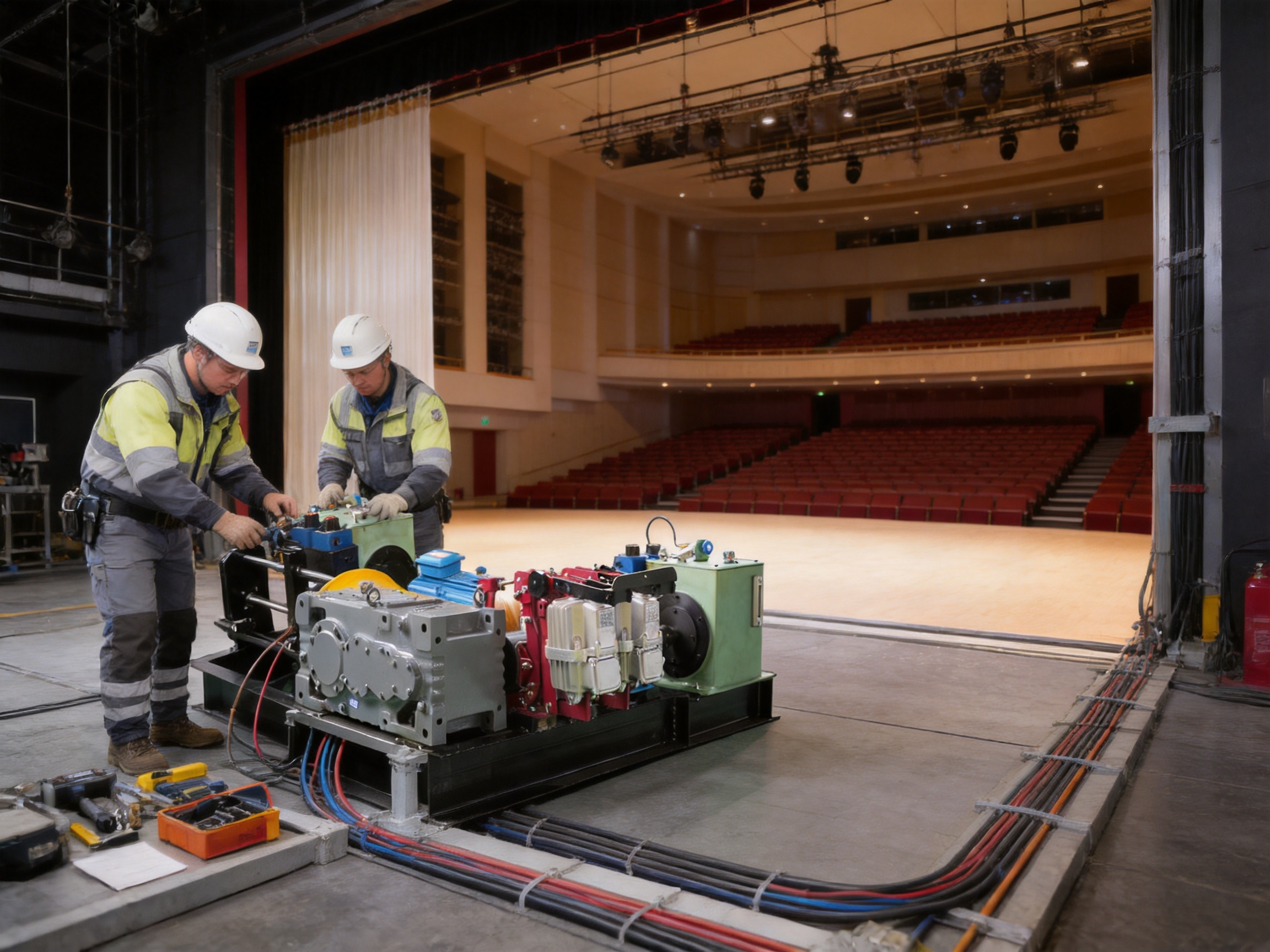
A Fire Curtain Damper is a mechanical and hydraulic control device used to regulate the descent, speed, and stopping behavior of a stage fire curtain. It helps the curtain close smoothly and reduces impact on the curtain assembly, guide system, drive mechanism, and building structure.
Gravity can provide the force needed for descent, but it does not control acceleration or stopping. Without damping, a heavy curtain may move too quickly, sway, or create excessive impact at the end of travel. A damper provides controlled resistance and cushioning.
Yes. A properly designed Fire Curtain Damper can be integrated with PLC systems, fire alarm interfaces, remote-control systems, stage automation platforms, and other control equipment. The specific interface should be confirmed during project design.
The response depends on the system configuration. A professional design may use independent brakes, hydraulic control, mechanical release functions, stored energy, or other emergency arrangements. Power-failure behavior should be defined, tested, and documented during commissioning.
Yes. Customization may address curtain weight, dimensions, travel distance, descent speed, drum arrangement, hydraulic performance, brake capacity, sensor locations, installation space, and control interfaces. Custom design should be based on verified project data.
Inspection frequency depends on the venue, equipment design, operating schedule, environmental conditions, and applicable requirements. Regular checks should cover mechanical components, hydraulic components, brakes, sensors, control circuits, and complete curtain movement.
Useful information includes curtain dimensions, total mass, travel height, operating method, support structure, guide arrangement, drum details, required descent time, available power supply, control system information, fire alarm interface, and installation limitations.
Warning signs include unusual noise, vibration, oil leakage, uneven descent, excessive sway, delayed response, incorrect stopping position, repeated sensor alarms, brake noise, changes in descent speed, or increased maintenance frequency. Any abnormal behavior should be investigated promptly.
No. The damper is one component of a complete fire curtain system. The curtain, guide rails, support structure, drive system, brakes, control equipment, alarms, and related safety devices must all be designed and maintained as a coordinated system.
Commissioning requires adjustment of hydraulic flow, brake response, sensors, control logic, and movement settings. Manufacturer involvement helps ensure that the equipment is matched to the actual curtain and installed conditions rather than being operated only with general factory settings.
The Fire Curtain Damper is a critical component in the safe operation of modern stage fire curtain systems. By controlling descent speed, cushioning movement, reducing impact, and supporting reliable emergency response, it helps protect both the curtain and the surrounding stage machinery. Its value extends beyond a single mechanical function because it contributes to the performance, service life, and maintainability of the complete fire protection system.
Hydraulic control, dual braking, heat-resistant construction, travel sensing, and intelligent system integration provide important advantages over basic mechanical braking solutions. These features allow the damper to serve different venues and operating conditions while maintaining a controlled and predictable movement profile.
Product quality is closely connected to engineering and manufacturing capability. Accurate design, carefully selected materials, precision machining, controlled hydraulic assembly, electrical integration, factory testing, installation support, and long-term service all influence final performance. An experienced manufacturer can evaluate the entire stage application and provide a Fire Curtain Damper that is properly matched to the curtain, structure, control system, and emergency strategy.
For theaters and other public venues, choosing a reliable and customizable Fire Curtain Damper is an investment in operational safety, equipment protection, and long-term system value. With correct design, professional installation, regular testing, and disciplined maintenance, the damper can provide dependable control whenever the stage fire curtain must perform its most important function.
1. Stage Machinery Design and Safety Engineering, technical reference literature.
2. Hydraulic Control Systems: Principles, Components, and Applications, engineering reference literature.
3. Fire Protection Engineering for Performance and Public Assembly Venues, professional guidance literature.
4. Industrial Machinery Maintenance and Reliability Management, maintenance reference literature.
5. Programmable Control Systems for Stage Automation, automation engineering reference literature.
6. Manufacturer technical documentation for Fire Curtain Dampers, hydraulic governors, braking systems, and stage machinery.
7. General guidance for inspection, testing, commissioning, and maintenance of stage fire protection equipment.
We specialize in delivering advanced stage machinery, rigging systems and intelligent control solutions for performance spaces worldwide.

No. 111 Runfeng Road, Hailing District, Taizhou City, Jiangsu Province, China

rtstage@163.com

+86-139 1771 1698

+86-139 1771 1698
rtstage@163.com
 中文简体
 English
 русский
 Français
 Español
 عربى