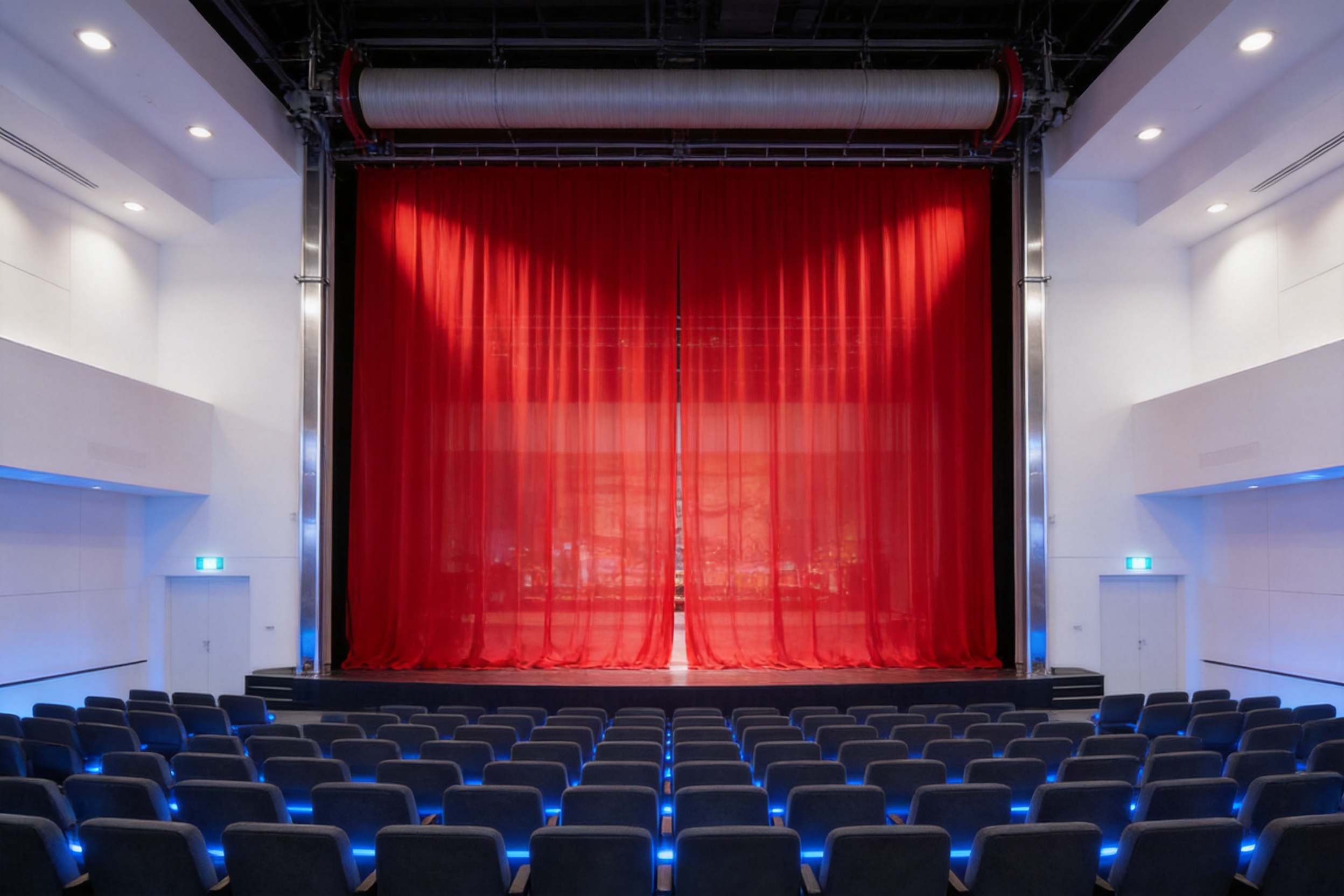
Fire safety is one of the most important design responsibilities in a modern theater, performing arts center, auditorium, stadium, convention center, or multifunctional public venue. A stage combines powerful lighting equipment, electrical systems, control cabinets, scenery, curtains, decorations, sound equipment, and temporary structures. When a fire occurs, these elements can contribute to the rapid development and movement of flames, smoke, and high-temperature gases. The fire curtain is therefore an essential barrier between the stage and the audience area. However, the curtain can only perform its intended function if it descends quickly, accurately, and safely when an emergency signal is received.
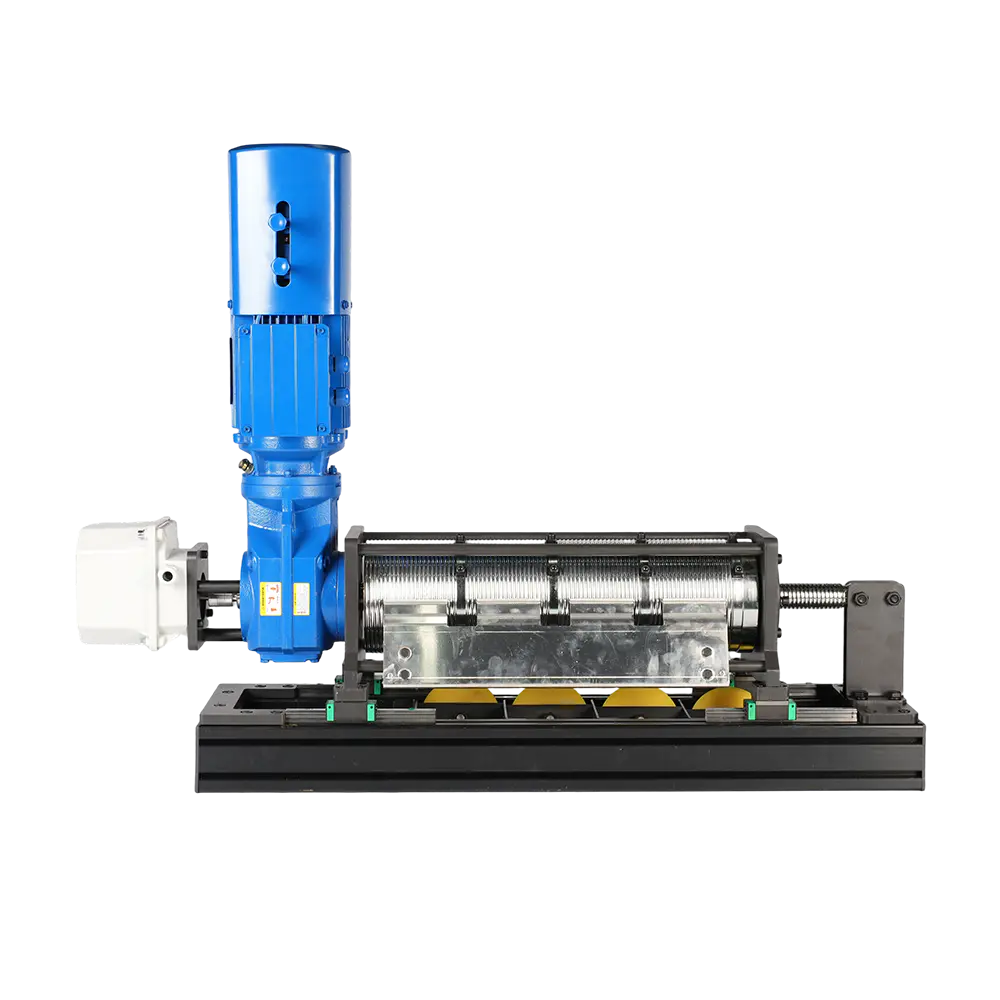
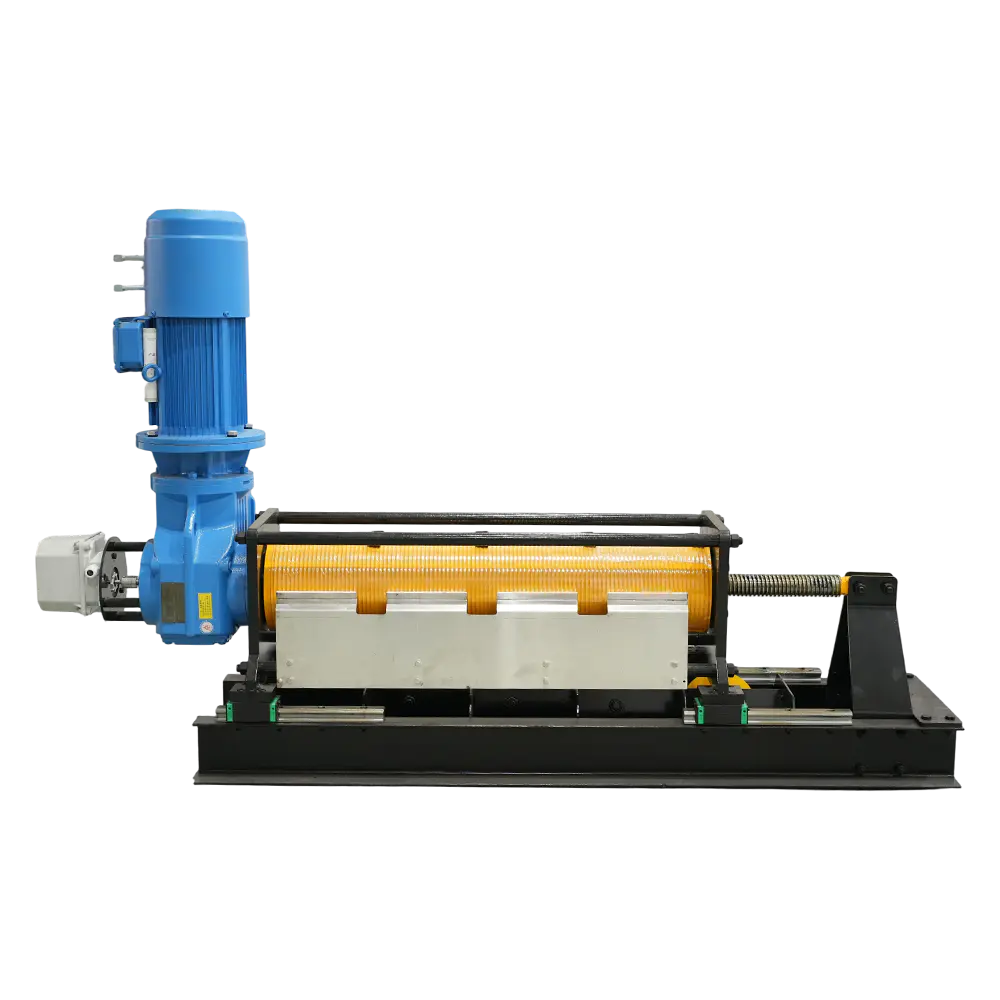
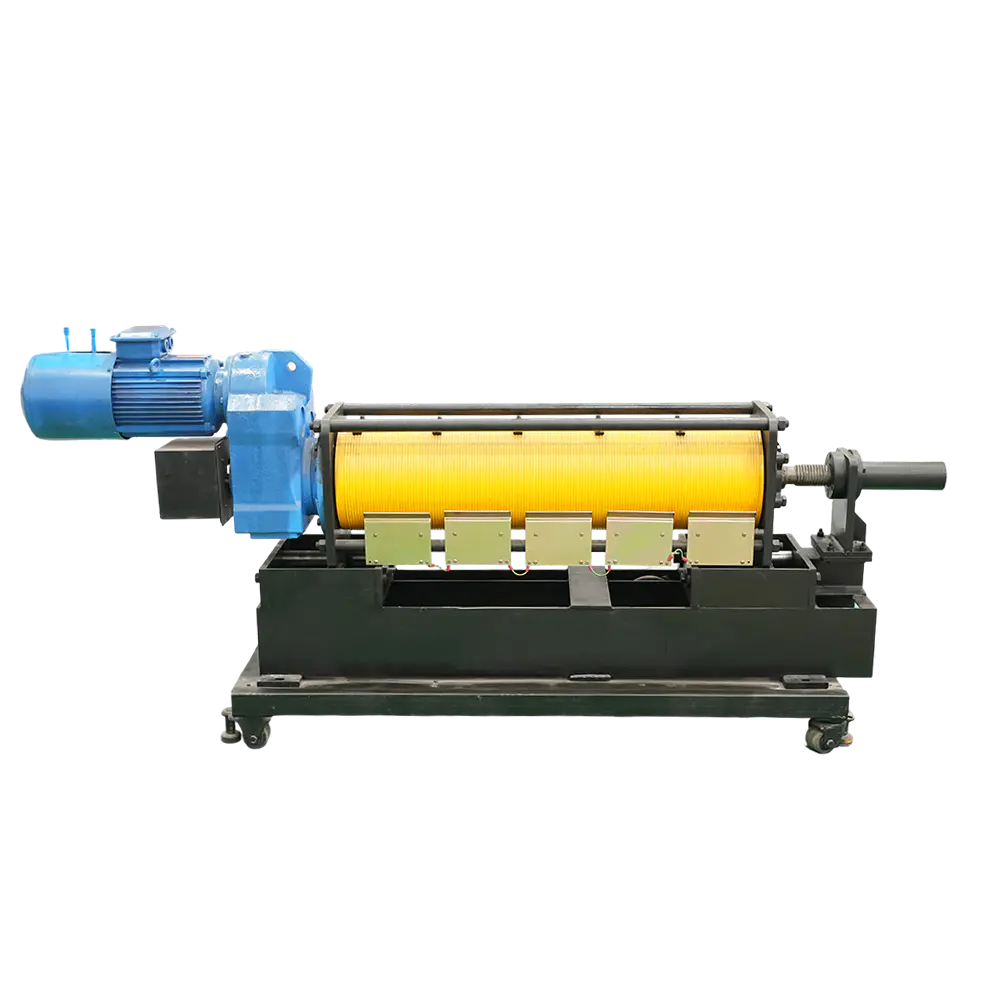
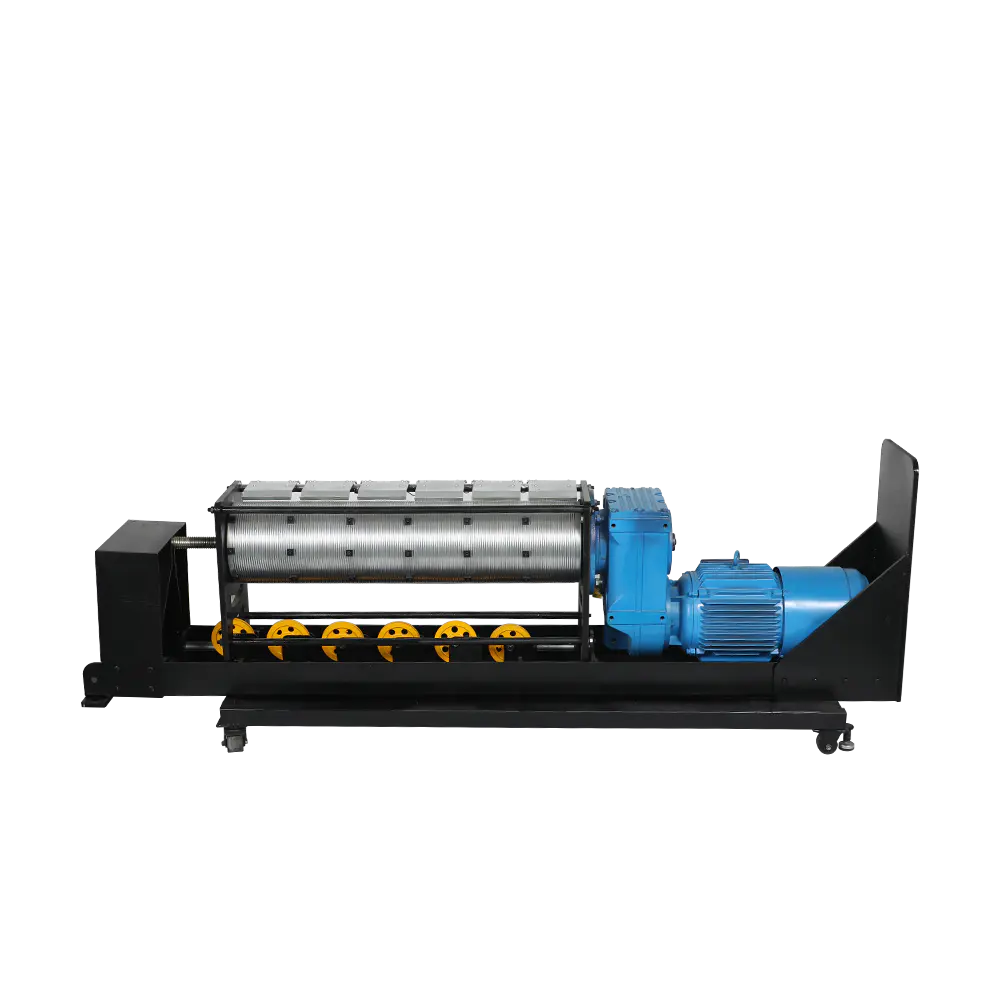
The Fire Curtain Damper is the component responsible for controlling this descent. It regulates movement, absorbs excessive kinetic energy, limits impact forces, and helps the curtain reach its closed position in a controlled manner. In a professionally designed system, the damper works together with the fire curtain, drive mechanism, braking equipment, travel sensors, control system, emergency circuits, and building fire alarm system.
Unlike a simple mechanical stop, a modern Fire Curtain Damper is an integrated safety device. It uses hydraulic control technology, directional valves, throttle valves, speed regulation components, and intelligent control functions to provide stable movement under changing operating conditions. It can also be configured to cooperate with automatic and remote-control systems, allowing the complete fire curtain assembly to become part of a wider stage safety and building management network.
For theaters and other large venues, the value of the product is not limited to slowing the curtain. A well-engineered damper reduces stress on cables, guide rails, bearings, drums, structural supports, and braking components. It can improve positioning accuracy, reduce mechanical wear, simplify maintenance, and provide a more dependable response during a power interruption or emergency event.
A Fire Curtain Damper is a hydraulic or electromechanical control device used to regulate the descent of a stage fire curtain. The fire curtain normally remains above the opening between the stage and the auditorium during performances. When a fire alarm, emergency command, or manual release signal is activated, the curtain must descend to separate the stage from the audience area.
Because many fire curtains operate by gravity or by a controlled drive system, the curtain can develop considerable speed as it moves downward. Its total weight may be substantial, especially in large theaters with wide proscenium openings. If the curtain descends without adequate damping, the resulting impact may damage the curtain structure, deform guide components, overload the drive train, or prevent the curtain from reaching the correct final position.
The damper creates resistance during movement and manages the descent profile. Through hydraulic regulation, the system can control speed more progressively than a basic mechanical brake. It can provide smooth deceleration, reduce sudden movement, and create a controlled final approach. This is especially important when the curtain must close reliably without excessive vibration or sway.
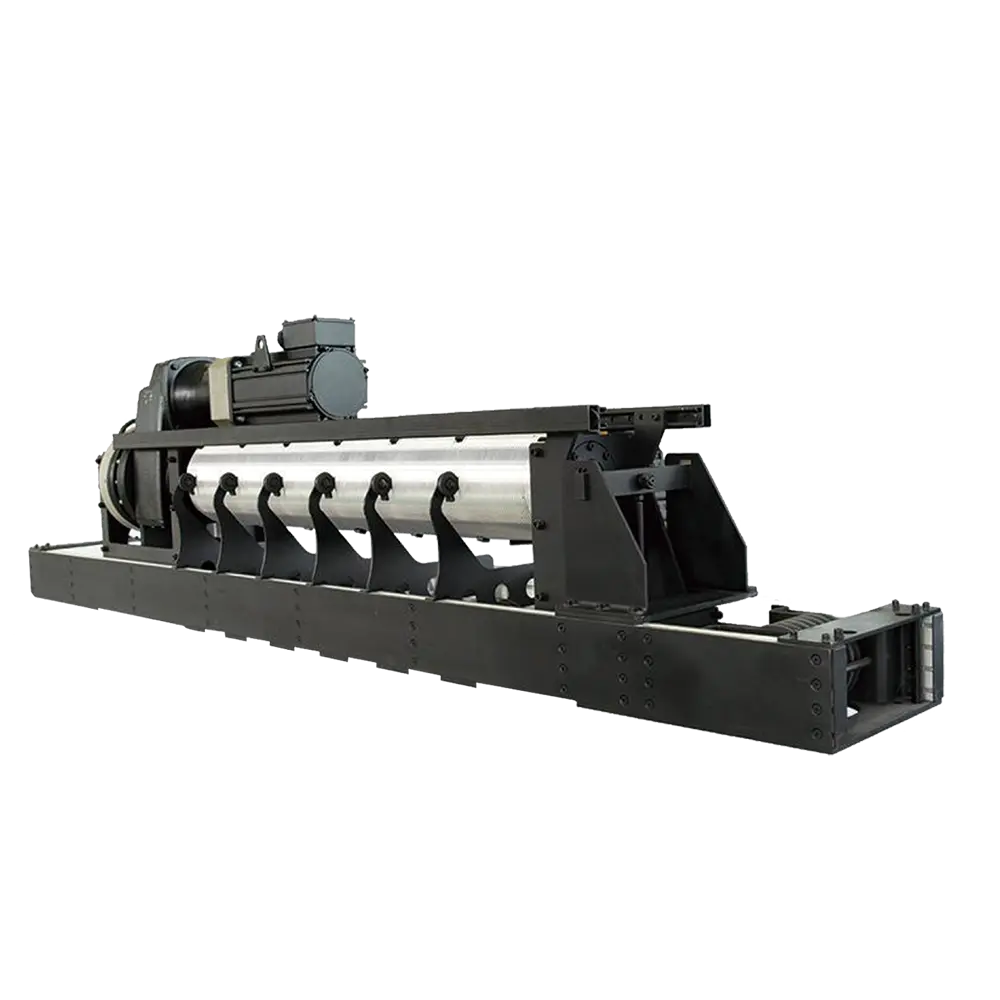
A typical Fire Curtain Damper may be connected to a hydraulic station and controlled by electromagnetic directional valves, throttle valves, stroke valves, speed valves, and escape valves. Depending on the project design, the overall assembly may also include an electric motor, reducer, brakes, shaft couplings, roller drum, travel sensor, linear bearings, lead screw, and gear motor. The exact configuration is selected according to the curtain weight, travel distance, opening width, operating speed, structural arrangement, and control requirements.
The primary safety objective of a fire curtain is to isolate the stage from the auditorium. The damper supports this objective by making the curtain’s movement predictable and controlled. A curtain that falls too quickly may create dangerous impact forces. A curtain that moves too slowly, stops unexpectedly, or fails to reach its final position may compromise the intended fire separation.
Controlled descent is also important for the surrounding structure. The curtain is guided by rails, rollers, bearings, or other mechanical components. The drive mechanism may include cables, drums, couplings, reducers, brakes, and structural supports. Each part must withstand operating loads and emergency loads. A damper reduces unnecessary shock and helps distribute forces over a longer period rather than allowing a sudden impact at the end of travel.
Stable movement can also help reduce curtain oscillation. A large curtain may sway because of air movement, uneven loading, guide friction, or sudden changes in speed. Excessive sway can affect the curtain’s ability to seat correctly against the floor or side guides. It may also increase wear on guide surfaces. By moderating acceleration and deceleration, the Fire Curtain Damper supports more accurate alignment.
The controlled movement provided by a damper is valuable during routine inspection as well as during an actual emergency. Maintenance personnel can observe the curtain’s operating behavior, identify irregular resistance, listen for abnormal mechanical noise, and verify sensor operation. A system with stable motion is generally easier to inspect and diagnose than one that relies on abrupt mechanical stopping.
Hydraulic control allows the resistance profile to be adjusted according to project requirements. The descent can be regulated to avoid uncontrolled acceleration and sudden stopping. This is particularly beneficial for large curtains with high inertia, long travel distances, or complex guide arrangements.
Compared with a simple fixed mechanical brake, a hydraulic system can provide more progressive control over movement. Throttle valves, speed valves, and related control components can be selected and adjusted to achieve a suitable operating profile. This helps reduce variations in speed and provides a more consistent response during repeated tests.
A heavy fire curtain can transmit large forces to its structural supports if it stops abruptly. Hydraulic damping cushions movement and reduces the severity of impact. Lower shock loads may help protect the roller drum, shaft couplings, bearings, rails, brackets, and connection points.
Reduced shock also benefits the long-term reliability of the system. Repeated impact can loosen fasteners, increase bearing wear, deform supports, and create alignment problems. By controlling the energy associated with descent, the damper supports a longer service life for the complete fire curtain assembly.
A fire curtain must remain dependable even when normal power or control conditions are interrupted. The described system combines hydraulic control with intelligent control functions and dual braking arrangements. Independent braking capability provides an additional layer of protection in emergency conditions, while the control system is designed to respond to emergency commands and abnormal operating situations.
Specific emergency behavior must always be confirmed during project engineering and commissioning. The appropriate arrangement depends on the fire strategy, local regulations, curtain design, control architecture, and venue requirements. Nevertheless, a system designed with redundant safety functions provides a stronger foundation than one that depends on a single brake or a single control path.
Modern stage machinery increasingly relies on centralized control systems. A Fire Curtain Damper can be integrated with automatic control, remote control, fire alarm interfaces, PLC systems, and stage management platforms. This enables the damper and fire curtain to participate in a coordinated emergency sequence.
Integration may allow the system to receive signals from fire detection equipment, report travel position, identify faults, and support remote testing. It can also improve coordination with other stage safety equipment. For example, the fire curtain may be programmed to operate independently of performance control commands once an emergency signal is received.
A properly selected damper reduces unnecessary stress on the mechanical system. Lower impact forces and smoother operation can reduce wear on guide rails, linear bearings, couplings, brakes, and drive components. Over time, this may reduce corrective maintenance and help extend service intervals, although regular inspection remains necessary for all fire safety equipment.
The modular arrangement of hydraulic and mechanical components can also support maintenance. Directional valves, throttle valves, sensors, braking assemblies, and other components can be inspected individually. A clear system layout allows technicians to identify leaks, connection problems, sensor faults, or changes in operating performance more efficiently.
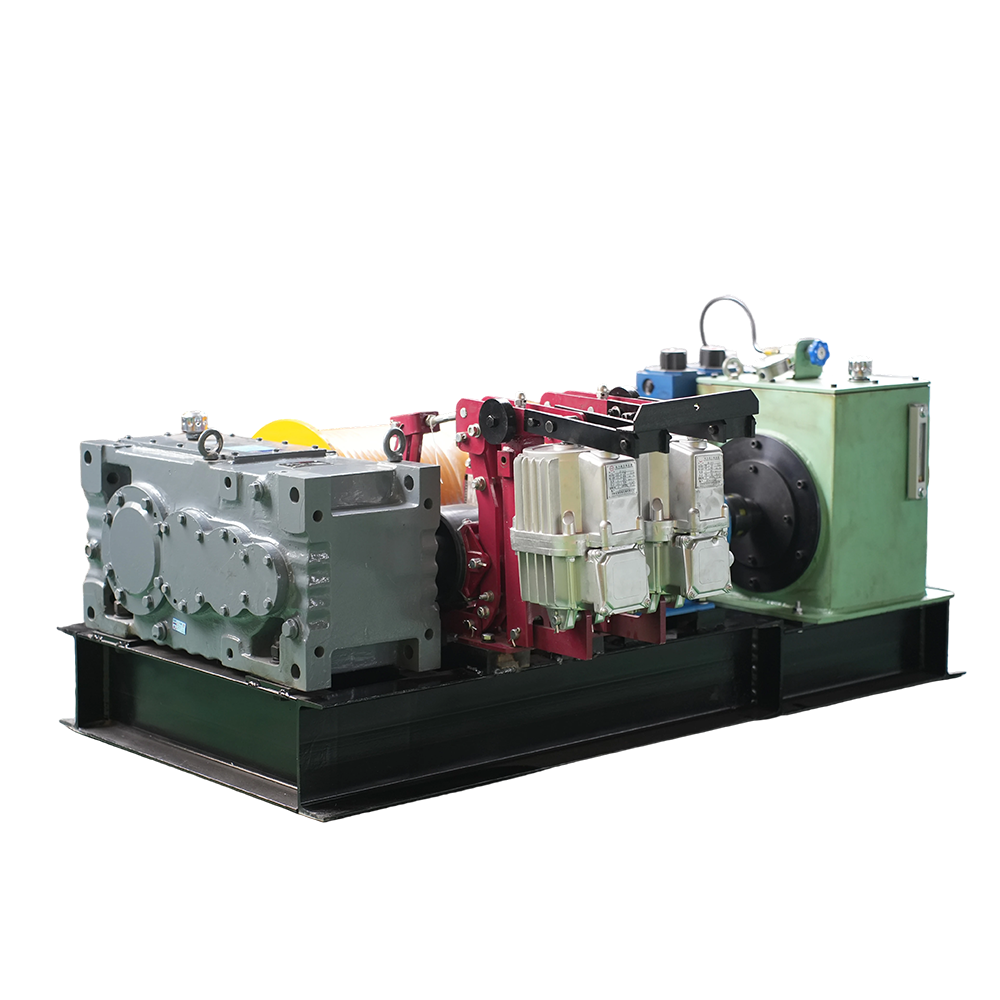
Fire Curtain Damper
The operating sequence begins when the fire protection system, stage safety control system, or authorized manual station sends an emergency command. The control unit evaluates the signal and activates the configured operating circuit. Depending on the system design, the curtain may be released to descend under its own weight, assisted by a drive mechanism, or controlled through a combined gravity and motorized arrangement.
The hydraulic station then supplies and regulates hydraulic energy through the appropriate valves. An electromagnetic directional valve determines the movement path of the hydraulic circuit. Throttle and speed valves regulate flow, which directly affects the resistance and movement speed of the damper. Stroke valves, escape valves, and related components support safe operation and controlled travel.
As the curtain moves downward, travel sensors monitor its position. The control system can use this information to confirm movement, identify an incomplete descent, or determine whether the curtain has reached its lower limit. Linear bearings, lead screws, drums, couplings, and brakes work together with the hydraulic system to maintain mechanical control.
Near the final position, the damper helps moderate the closing movement. The curtain should reach the intended position without excessive impact, bouncing, or lateral movement. Once the final position is confirmed, the braking and holding functions maintain the required state until the emergency is cleared and authorized personnel reset the system.
The exact sequence varies according to the venue’s fire strategy. Some projects require a gravity descent with hydraulic resistance, while others require powered movement with independent emergency release functions. A competent manufacturer should review the complete system rather than selecting a damper solely by nominal curtain weight.
An electric motor and reducer may be used where the fire curtain requires powered lifting, positioning, testing, or controlled movement. The reducer converts motor speed into the torque and operating speed required by the roller drum or drive arrangement. Correct selection depends on curtain mass, travel speed, duty cycle, lifting height, and safety factors.
Brakes hold or control the curtain mechanism and form an important part of the safety arrangement. The product configuration described for this system includes dual braking, allowing braking functions to operate independently in an emergency. Redundant braking can help reduce the risk associated with a single brake fault, but the complete safety architecture must be verified during design and testing.
Shaft couplings transmit torque between the reducer, drive shaft, and roller drum. The roller drum manages the curtain movement or associated cable arrangement. Proper alignment is essential because misalignment can produce vibration, uneven loading, and premature wear. The manufacturing and installation process must therefore maintain dimensional accuracy and provide suitable adjustment capability.
Travel sensors provide information about curtain position. They may be used to confirm upper and lower limits, monitor intermediate movement, and identify abnormal travel conditions. Sensor positioning, protection, wiring, and commissioning are important because an incorrect signal can affect both automatic operation and fault diagnosis.
Linear bearings support guided movement and help reduce friction. A lead screw may be used to transmit controlled linear movement or adjust a mechanical position. These components must be protected from contamination and maintained according to the operating environment. Their performance directly influences smooth movement and positioning accuracy.
The hydraulic station provides the fluid power and control interface for the damper. Electromagnetic directional valves route hydraulic flow, while throttle valves and speed valves regulate movement. Stroke valves can support travel control, and escape valves provide a path for controlled release or pressure management, depending on the design.
Hydraulic components must be selected according to working pressure, flow rate, temperature range, duty cycle, fluid compatibility, and installation conditions. Pipe routing should allow inspection and maintenance. Connections should be protected against vibration, and the hydraulic station should be positioned where technicians can reach it safely.
The main structure uses materials selected to resist heat and erosion. This is important because the fire curtain system may be exposed to elevated temperature, smoke, dust, and challenging environmental conditions during an emergency. Material selection alone does not make a system fireproof; the complete fire curtain assembly must be designed and tested according to the relevant project requirements. However, durable structural materials provide a stronger basis for long-term reliability.
Dual braking is one of the key safety advantages of the system. Independent braking capability provides additional protection if one braking path experiences a fault or requires maintenance. In a properly engineered system, the brakes, hydraulic damper, drive mechanism, and control logic operate together to prevent uncontrolled movement.
The control units use advanced electronic control technology to support automatic and remote operation. Precision control is valuable because the curtain must respond to emergency signals without relying on improvised manual intervention. It also supports monitoring, commissioning, repeated testing, and integration with other control systems.
Power failure is a significant consideration in stage fire safety. A professional system should define how the curtain behaves when normal power disappears, how emergency power is used, and how braking and hydraulic functions respond. The described product is designed with intelligent control and dual safety functions intended to maintain reliable action in extreme conditions. The final arrangement should be verified through site testing and documented commissioning procedures.
Position sensors and control logic can help identify whether the curtain has completed its intended travel. Fault monitoring may include sensor disagreement, incomplete descent, abnormal motor behavior, valve faults, or other conditions defined by the control design. Early identification of abnormal behavior allows operators to arrange inspection before a small problem becomes a major failure.
Traditional mechanical braking can provide a simple and economical means of limiting movement. However, a basic brake may not offer the same level of control over the complete descent profile. It can stop movement, but stopping alone is not always equivalent to controlled damping. A heavy curtain may still experience sudden deceleration, vibration, or shock if the braking action is too abrupt.
The Fire Curtain Damper combines hydraulic resistance, controlled valves, electronic coordination, and braking functions. This combined approach provides more options for managing the curtain throughout its travel. Instead of waiting until the final position to absorb energy, the system can regulate movement during the descent.
Another advantage is adaptability. Different venues have different curtain weights, widths, heights, guide arrangements, operating speeds, and structural limitations. A damper can be engineered and adjusted for the specific application. This is more suitable for complex stage projects than a one-size-fits-all brake that may not match the actual dynamic behavior of the curtain.
Hydraulic damping can also reduce the load transferred to other components. If a brake must absorb the full kinetic energy in a short distance, the brake and related structure may experience high stress. By controlling speed progressively, the damper distributes the energy-management task across the system.
Compared with less integrated products, a system that supports PLC interfaces, automatic control, remote operation, sensors, and emergency logic can provide better visibility. Operators and maintenance personnel can obtain more information about the curtain’s position and condition. This is particularly important in large venues where equipment rooms, stage machinery, and control centers may be separated.
The product’s competitive value therefore comes from its complete engineering approach rather than from a single component. Hydraulic control, dual braking, heat-resistant structural materials, intelligent controls, and maintainable mechanical assemblies work together to provide a more dependable solution for demanding stage environments.
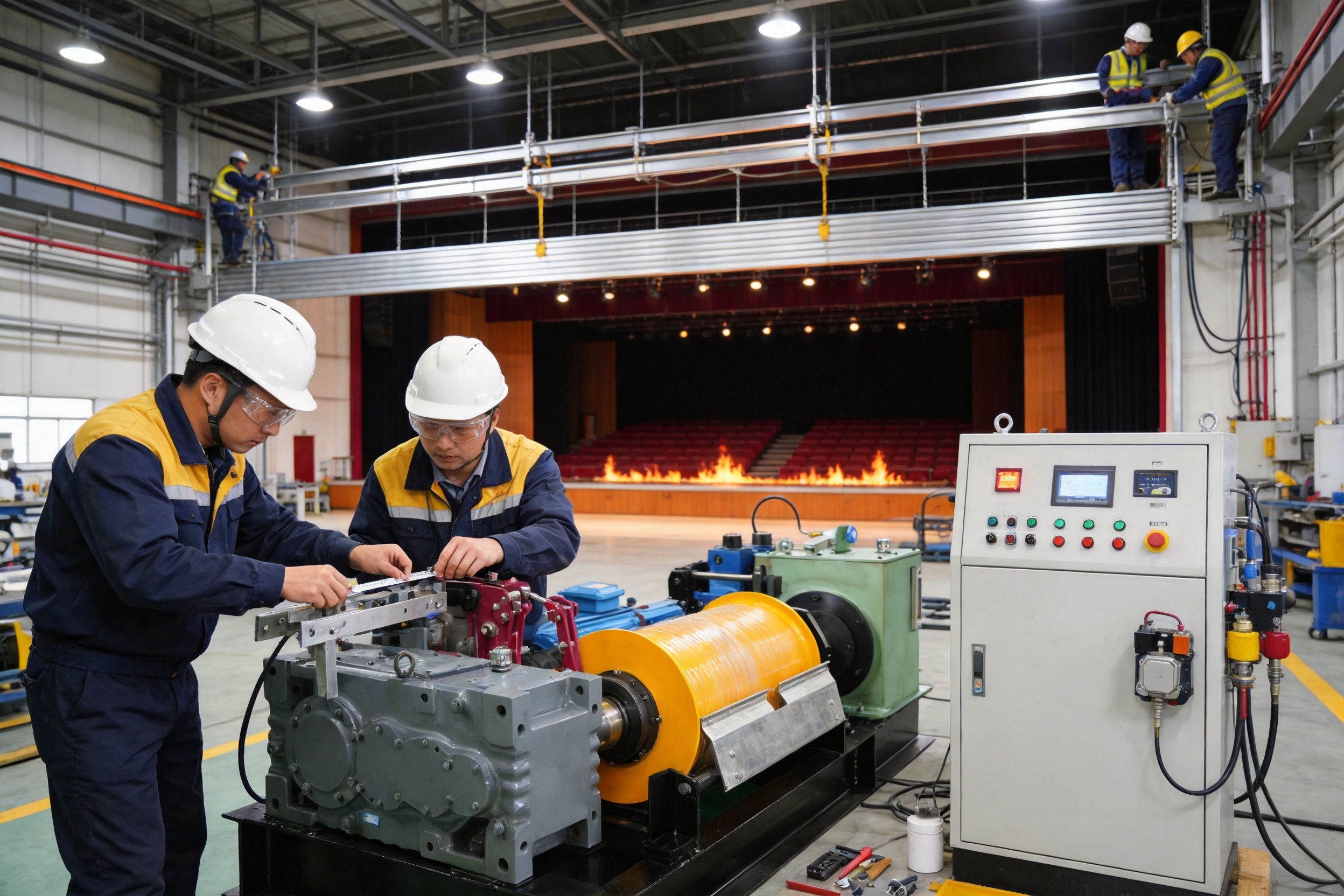
The reliability of a Fire Curtain Damper depends not only on its design but also on how it is manufactured, assembled, tested, installed, and commissioned. RenteZhihe operates a modern production workshop of approximately 13,000 square meters and an office and research and development center of approximately 7,000 square meters. These facilities support the company’s ability to develop stage machinery, manufacture mechanical assemblies, integrate control systems, and provide project services.
A substantial manufacturing base is valuable because stage machinery is rarely limited to a single standard component. Fire curtain projects often require customized dimensions, hydraulic settings, mounting arrangements, sensor positions, structural interfaces, and control protocols. An experienced manufacturer needs sufficient engineering and production resources to manage these variations without losing control of quality.
The process begins with an analysis of the project requirements. Engineers review curtain dimensions, curtain mass, travel height, operating speed, guide conditions, support structure, available power, emergency power, control interfaces, and maintenance access. They also consider the relationship between the damper and the fire curtain drive system.
This application-based approach is important because a damper that is suitable for one project may be inappropriate for another. Hydraulic flow, resistance, brake capacity, sensor positions, and mounting components must correspond to actual operating conditions. Correct design helps avoid excessive speed, inadequate damping, overloading, or difficult maintenance.
Mechanical components such as brackets, frames, shafts, drums, couplings, supports, and mounting structures require accurate fabrication. Dimensional control is important for alignment and repeatable assembly. Proper surface treatment and material selection can improve resistance to wear, corrosion, and environmental exposure.
Manufacturing control should include inspection of critical dimensions, connection points, shaft alignment, bearing seats, fastening positions, and component interfaces. These details affect the smoothness of operation and the service life of the installed system.
Hydraulic assembly requires careful attention to cleanliness, connection integrity, valve orientation, hose or pipe routing, pressure control, and leak prevention. Contamination in a hydraulic circuit can affect valve operation and damage sensitive components. Connections must be tightened correctly, and the completed circuit should be inspected before commissioning.
Hydraulic testing can help confirm pressure stability, valve response, flow regulation, and emergency behavior. Testing parameters should be recorded so that future maintenance personnel have a reference for normal operation.
The control system is assembled and configured to communicate with sensors, brakes, motors, valves, fire alarm interfaces, and remote-control equipment. Electrical wiring should be clearly identified and protected against mechanical damage. Control logic should distinguish between normal operation, testing mode, emergency release, fault conditions, and authorized reset procedures.
Integration testing is especially important when the damper communicates with a building management system, PLC, stage automation platform, or fire alarm control panel. The manufacturer’s engineering team can help verify that signals are correctly transmitted and that priority emergency commands are not blocked by routine stage control operations.
Before shipment, the assembled equipment should be inspected and tested according to the project requirements. Factory checks may include mechanical movement, brake action, sensor signals, hydraulic response, control logic, emergency behavior, and communication interfaces. Testing helps identify problems before installation at the venue, where access may be limited and construction schedules may be tight.
After installation, the engineering team can complete alignment, wiring checks, hydraulic adjustments, sensor calibration, load or movement testing, and system integration. Commissioning should include repeated operation and simulated emergency sequences where permitted by the project safety plan.
RenteZhihe provides services covering research and development, design, manufacturing, installation, commissioning, and technical support. This integrated capability allows one engineering team to understand the relationship between the damper and the wider stage system. It can also reduce coordination difficulties between separate suppliers.
With more than ten years of industry experience and involvement in over 1,000 projects, the company has served theaters, cultural and art centers, stadiums, conference centers, school auditoriums, and entertainment venues. Project experience is particularly important for fire curtain applications because installation conditions and operational requirements can vary significantly between buildings.
Customization begins with the curtain itself. The manufacturer must consider the curtain’s width, height, mass, material construction, center of gravity, and connection method. The operating path and available side clearance also affect the selection of guides, drums, sensors, and support components.
The operating speed is another important factor. A small curtain in a compact venue may have different requirements from a large proscenium curtain in a major performing arts center. Hydraulic settings, brake capacity, drive selection, and control parameters must be matched to the required speed and stopping behavior.
Control compatibility is equally important. Some venues require a dedicated fire curtain control cabinet, while others need integration with a building fire alarm system, central PLC, stage management system, or remote monitoring platform. The Fire Curtain Damper can be configured according to the required communication and command structure.
Installation conditions may require customized brackets, hydraulic station locations, access panels, cable routing, structural supports, or maintenance platforms. A manufacturer with design and fabrication capability can adapt the equipment to the building rather than forcing the building to accommodate an unsuitable standard arrangement.
Environmental conditions should also be considered. Venues may have high humidity, dust from scenery, temperature variation, restricted machinery spaces, or long periods of inactivity followed by intensive use. Component selection, protective treatment, access design, and inspection procedures should reflect these conditions.
Installation should be performed by qualified personnel familiar with stage machinery and hydraulic equipment. The support structure must be capable of carrying operating and emergency loads. Mounting surfaces should be level and sufficiently rigid, and the damper should be aligned with the associated drive and guide components.
Hydraulic piping and electrical wiring should be routed to avoid interference with moving parts. Service access should be maintained around valves, sensors, brakes, control cabinets, and inspection points. Components that require periodic adjustment should not be hidden behind permanent construction or inaccessible scenery.
During commissioning, the curtain should first be operated at low risk and under controlled conditions. Engineers should check travel direction, sensor response, brake release, valve operation, hydraulic pressure, movement speed, final positioning, and emergency stopping behavior. Abnormal noise, vibration, leakage, uneven movement, or delayed response should be investigated before the system is placed into service.
Commissioning documents should record the final settings, wiring references, sensor positions, hydraulic parameters, test results, and maintenance recommendations. These records can be valuable when the venue changes operators or when future troubleshooting is required.
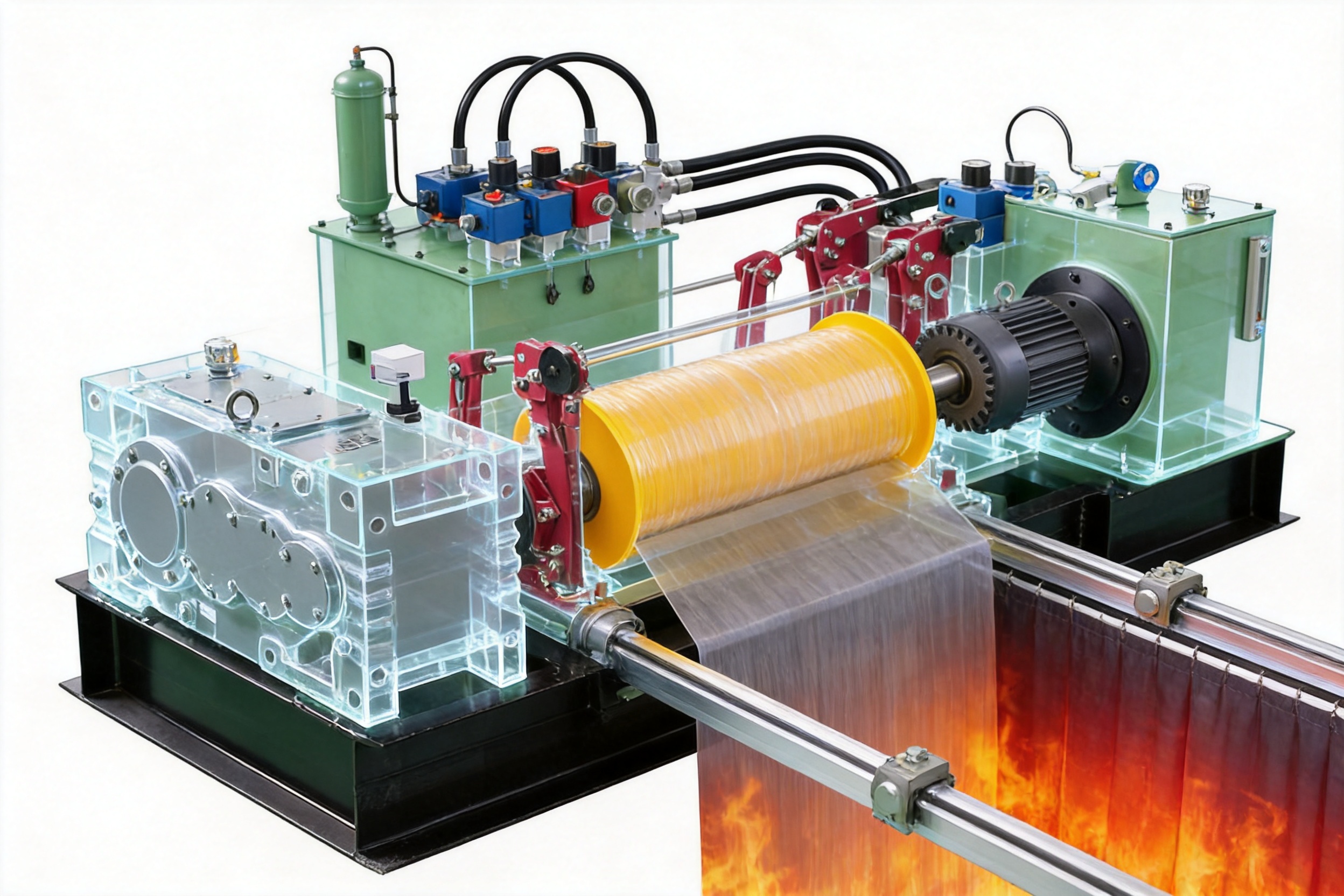
Although the Fire Curtain Damper is designed for long service life, it remains a safety-critical mechanical and control device. Regular inspection is necessary to confirm that the system is ready for emergency operation. Maintenance frequency should follow the project requirements, applicable fire safety regulations, manufacturer recommendations, and the venue’s risk management procedures.
Visual inspections should check for loose fasteners, damage, corrosion, hydraulic leakage, abnormal wear, damaged wiring, sensor displacement, and obstructions in the curtain path. The guide rails and mechanical supports should be kept clear of scenery, stored materials, dust accumulation, and unauthorized modifications.
Operational tests should verify that the curtain moves smoothly and reaches the correct position. Technicians should observe acceleration, descent speed, braking behavior, final seating, and any unusual sound or vibration. Repeated testing can reveal gradual changes that may not be obvious during a single operation.
Hydraulic maintenance may include checking fluid condition, pressure, valve response, connections, hoses, seals, and the hydraulic station. Any leakage should be investigated promptly. Hydraulic adjustments should be made only by trained personnel because incorrect settings may affect the curtain’s descent behavior.
Electrical inspections should include control cabinet condition, terminal tightness, cable protection, sensor signals, emergency circuits, and communication with external systems. Fault indications should be recorded and resolved rather than repeatedly reset without investigation.
Brake testing is essential. Both braking paths should be checked according to the approved maintenance procedure. The purpose is to confirm that each brake can perform its intended function and that the dual-braking arrangement remains available during an emergency.
The Fire Curtain Damper is suitable for professional stage environments where a fire curtain must descend in a controlled and reliable manner. Typical applications include large theaters, opera houses, drama venues, cultural centers, concert halls, performing arts centers, school auditoriums, conference centers, stadiums, exhibition facilities, and multifunctional entertainment venues.
It can also be considered for commercial or public buildings that include large performance spaces and require an engineered separation system between stage and audience areas. Each application must be evaluated individually because building codes, fire strategies, curtain configurations, and authority requirements differ.
For new construction, the damper should be considered during the early design stage. Early coordination allows the project team to reserve adequate space for the hydraulic station, control cabinet, structural supports, maintenance access, power supply, emergency circuits, and guide assemblies.
For renovation projects, the manufacturer should survey the existing curtain, support structure, drive system, control equipment, and available installation space. Retrofitting a damper may require modifications to brackets, sensors, wiring, control logic, or the curtain operating mechanism.
When selecting a Fire Curtain Damper, buyers should begin with the basic operating data. This includes curtain weight, opening width, travel height, desired descent speed, drive method, guide arrangement, number of operating cycles, and emergency operating philosophy.
The next step is to review safety functions. The system should be evaluated for braking redundancy, emergency operation, power failure behavior, sensor monitoring, fault indication, and manual release or reset procedures. A low purchase price should not be the only selection criterion for a safety-critical product.
Control compatibility should also be confirmed. The damper may need to exchange signals with a fire alarm panel, PLC, building management system, central stage control system, or remote monitoring platform. Interface requirements should be defined before production.
Buyers should ask about manufacturing capability, testing procedures, installation support, spare parts, documentation, and after-sales service. A supplier that can provide design, production, commissioning, and maintenance guidance may offer better long-term value than a supplier that only sells an isolated mechanical component.
The supplier’s project experience should be reviewed in relation to the intended application. Experience with general stage equipment is valuable, but experience with large fire curtains, hydraulic damping, emergency control systems, and venue integration is particularly relevant.
| Evaluation Item | Key Questions | Why It Matters |
|---|---|---|
| Curtain data | What are the weight, dimensions, travel height, and operating speed? | These values determine damping, braking, drive, and structural requirements. |
| Hydraulic system | How are flow, pressure, speed, and emergency release controlled? | Proper hydraulic control supports smooth and predictable descent. |
| Braking | Is independent dual braking provided and tested? | Redundant braking adds protection against a single braking fault. |
| Control integration | Can the system connect with fire alarms, PLCs, and remote controls? | Integration enables coordinated emergency action and monitoring. |
| Power failure response | What happens if normal power is interrupted? | The emergency operating sequence must remain dependable. |
| Manufacturing | Does the supplier have design, fabrication, testing, and assembly resources? | Integrated production improves consistency and customization capability. |
| Service | Are installation, commissioning, training, and maintenance support available? | Professional service helps maintain safe operation throughout the product life. |
An integrated manufacturer can coordinate mechanical engineering, hydraulics, electrical controls, software logic, installation, and commissioning within one project framework. This reduces the possibility that one supplier will design the damper without understanding the drive mechanism or that a control integrator will overlook mechanical limitations.
RenteZhihe’s focus on stage machinery, performance equipment, and intelligent control systems allows the company to approach the Fire Curtain Damper as part of a complete stage safety solution. The company’s manufacturing workshop, research and development center, engineering team, and project service structure support the development of customized systems for different venue types.
The company’s experience across more than 1,000 projects provides practical knowledge of different installation environments and operating requirements. Its service scope includes design, production, installation, commissioning, operation support, and maintenance. This full-cycle approach can be valuable for owners and contractors that require one accountable technical partner.
Another advantage is the ability to adapt the product to project-specific conditions. Custom structural components, hydraulic settings, control interfaces, sensor arrangements, and maintenance access can be considered during the design process. This is more effective than attempting to modify an unsuitable standard product after delivery.
Long-term value also depends on documentation and technical communication. Clear drawings, operating instructions, maintenance schedules, test records, wiring information, and spare part recommendations help venue operators maintain the system properly. A manufacturer that remains involved after installation can support safer operation over the equipment’s service life.
Stage safety equipment is moving toward greater intelligence and system integration. Future Fire Curtain Dampers are expected to incorporate more precise motion control, condition monitoring, fault prediction, remote diagnostics, and digital maintenance records.
Condition monitoring may track operating cycles, hydraulic pressure, brake performance, sensor status, motor current, movement time, and abnormal vibration. This information can help maintenance teams identify changes before they become emergency failures.
Remote management can also improve the efficiency of large venues with multiple stages or complex equipment rooms. Authorized personnel may be able to review status information, receive fault alerts, and schedule inspections through a centralized platform. Remote functions must always be designed with appropriate cybersecurity, access control, and emergency priority protection.
Integration with intelligent building systems will continue to develop. Fire curtain equipment may exchange information with fire detection systems, emergency power systems, building management platforms, and venue operation centers. The objective is not merely more automation, but faster response, better visibility, and more reliable coordination during an emergency.
Despite these developments, the fundamental requirements will remain unchanged: the curtain must move when required, descend at a controlled speed, reach the correct position, withstand the operating environment, and remain maintainable. Advanced features should support these essential safety functions rather than replace sound mechanical engineering.
The main purpose is to regulate the descent of a stage fire curtain, reduce impact forces, control speed, and help the curtain reach its closed position smoothly and reliably. It supports the fire curtain’s function of separating the stage from the audience area during an emergency.
No. A standard brake primarily stops or holds movement, while a Fire Curtain Damper is intended to control movement throughout the descent. The hydraulic system can provide progressive resistance and cushioning, while the braking system supplies holding and emergency stopping functions.
Yes. Customization can take into account curtain weight, dimensions, travel distance, operating speed, guide arrangement, support structure, hydraulic requirements, control interfaces, and available installation space. A project-specific design is recommended for large or technically complex venues.
Yes. The system can be configured for automatic control, remote control, PLC integration, and connection with fire alarm or building management systems. The required interfaces and emergency priorities should be defined during the engineering stage.
Dual braking provides two independent braking functions designed to reduce dependence on a single brake. If one braking path has a problem, the second path can provide additional protection according to the approved system design. Both brakes should be inspected and tested regularly.
The response depends on the complete system design, including emergency power, hydraulic configuration, control logic, brakes, and release mechanisms. The described product uses intelligent control and dual safety functions to support reliable emergency response. The final behavior must be confirmed during engineering and commissioning.
Yes. Maintenance should include visual inspection, movement testing, brake testing, hydraulic checks, sensor verification, electrical inspection, and review of the emergency control sequence. Inspection frequency should follow applicable regulations, project requirements, and manufacturer recommendations.
Buyers should provide the curtain weight, dimensions, travel height, operating speed, drive method, guide arrangement, control requirements, power conditions, and installation environment. The manufacturer can then evaluate the damping, braking, hydraulic, structural, and control requirements.
Fire curtain equipment combines safety engineering, stage machinery, hydraulics, electrical controls, structural installation, and commissioning. An experienced manufacturer can coordinate these disciplines, customize the system, identify installation risks, and provide support after delivery.
It can be suitable for renovation projects, provided that the existing curtain, drive system, guide structure, control equipment, and installation space are evaluated. Retrofitting may require new brackets, sensors, hydraulic equipment, wiring, or control modifications.
Project documentation may include technical specifications, layout drawings, control diagrams, installation instructions, operating procedures, maintenance recommendations, testing records, spare part information, and commissioning reports. The exact document package should be agreed during the contract stage.
Controlled movement can reduce impact, wear, and stress on associated components, which may help lower corrective maintenance requirements and extend service life. Actual savings depend on the operating schedule, environmental conditions, maintenance quality, installation accuracy, and system design.
The Fire Curtain Damper is a critical part of a professional stage fire curtain system. It controls descent speed, absorbs movement energy, reduces impact, supports accurate positioning, and helps protect the curtain and its associated machinery. Its value is especially clear in large theaters and public venues where a heavy curtain must respond reliably under emergency conditions.
The hydraulic control arrangement, electromagnetic directional valves, throttle valves, speed regulation components, travel sensors, braking systems, and intelligent controls provide a more complete solution than a basic mechanical stopping device. Dual braking, heat- and erosion-resistant structural materials, automatic control compatibility, and maintainable component design further strengthen the product’s safety and operational advantages.
Product performance also depends on manufacturing quality and engineering service. RenteZhihe combines research and development, modern production facilities, mechanical and hydraulic assembly, control integration, installation, commissioning, and technical support. Its experience with theaters, cultural venues, stadiums, conference centers, auditoriums, and entertainment facilities enables it to customize Fire Curtain Dampers for different operating environments.
For owners, designers, contractors, and stage equipment specialists, the most appropriate selection is not simply the lowest-cost damper. The correct solution must match the curtain, structure, operating sequence, control system, emergency strategy, maintenance plan, and applicable safety requirements. A properly engineered and professionally manufactured Fire Curtain Damper provides an important layer of protection for the stage, the audience, venue personnel, and the long-term reliability of the complete stage machinery system.
1. National Fire Protection Association. Standard guidance for fire protection in stage and proscenium areas.
2. International Organization for Standardization. General principles for machinery safety, risk assessment, and protective control systems.
3. European Committee for Standardization. Guidance concerning the safety of machinery, emergency functions, and control-system reliability.
4. Hydraulic Institute. Fundamentals of hydraulic system design, flow control, pressure regulation, and maintenance.
5. Bühnenverein and professional theater engineering publications. Technical considerations for stage machinery and performance venue safety.
6. Manufacturer technical documentation. Fire curtain damper mechanical components, hydraulic assemblies, control interfaces, and maintenance practices.
7. RenteZhihe technical and engineering information. Stage machinery, intelligent control systems, fire curtain equipment, manufacturing capabilities, installation, and commissioning services.
We specialize in delivering advanced stage machinery, rigging systems and intelligent control solutions for performance spaces worldwide.

No. 111 Runfeng Road, Hailing District, Taizhou City, Jiangsu Province, China

rtstage@163.com

+86-139 1771 1698

+86-139 1771 1698
rtstage@163.com
 中文简体
 English
 русский
 Français
 Español
 عربى