Modern performance venues demand more than a platform that simply rises and falls. A stage lift must move with controlled speed, maintain accurate alignment, support substantial and sometimes uneven loads, integrate with digital control systems, and operate quietly enough to preserve the atmosphere of a live production. It must also remain dependable through repeated cycles, changing scenery, demanding schedules, and the exacting expectations of performers, technicians, directors, and venue operators.
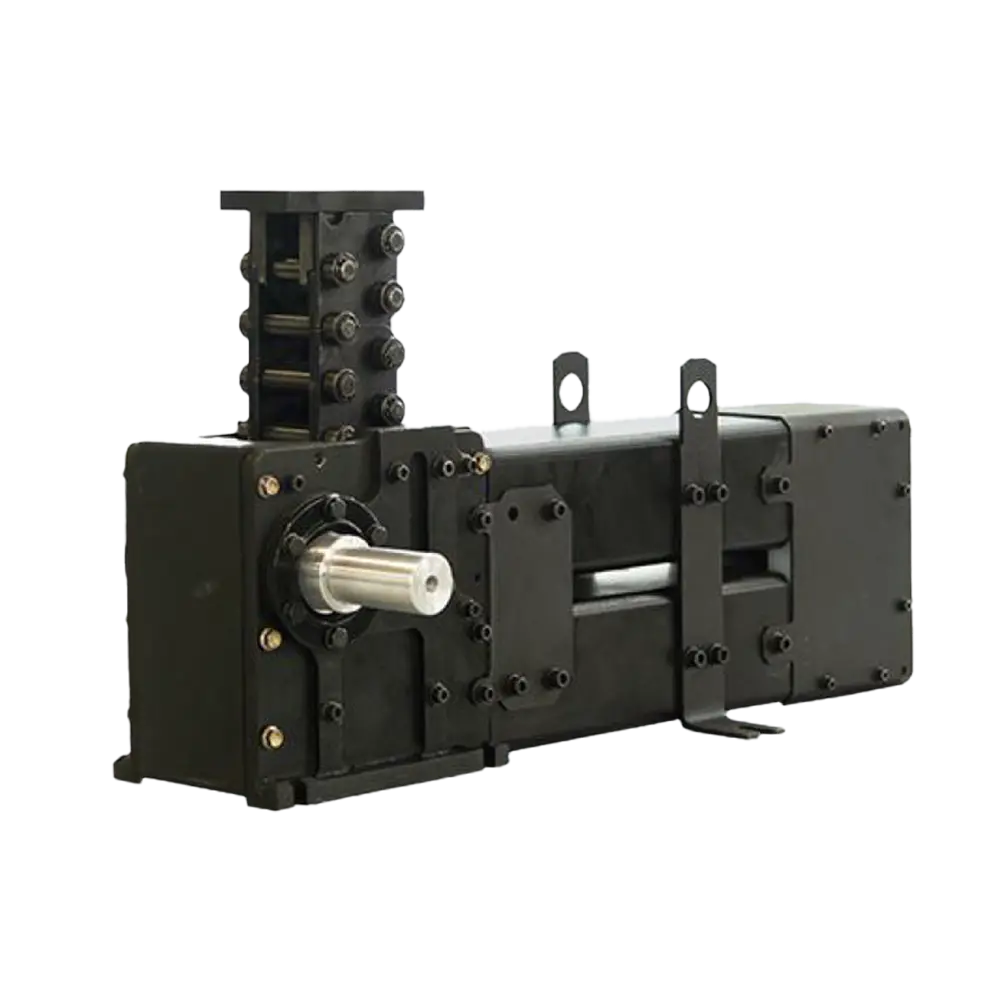
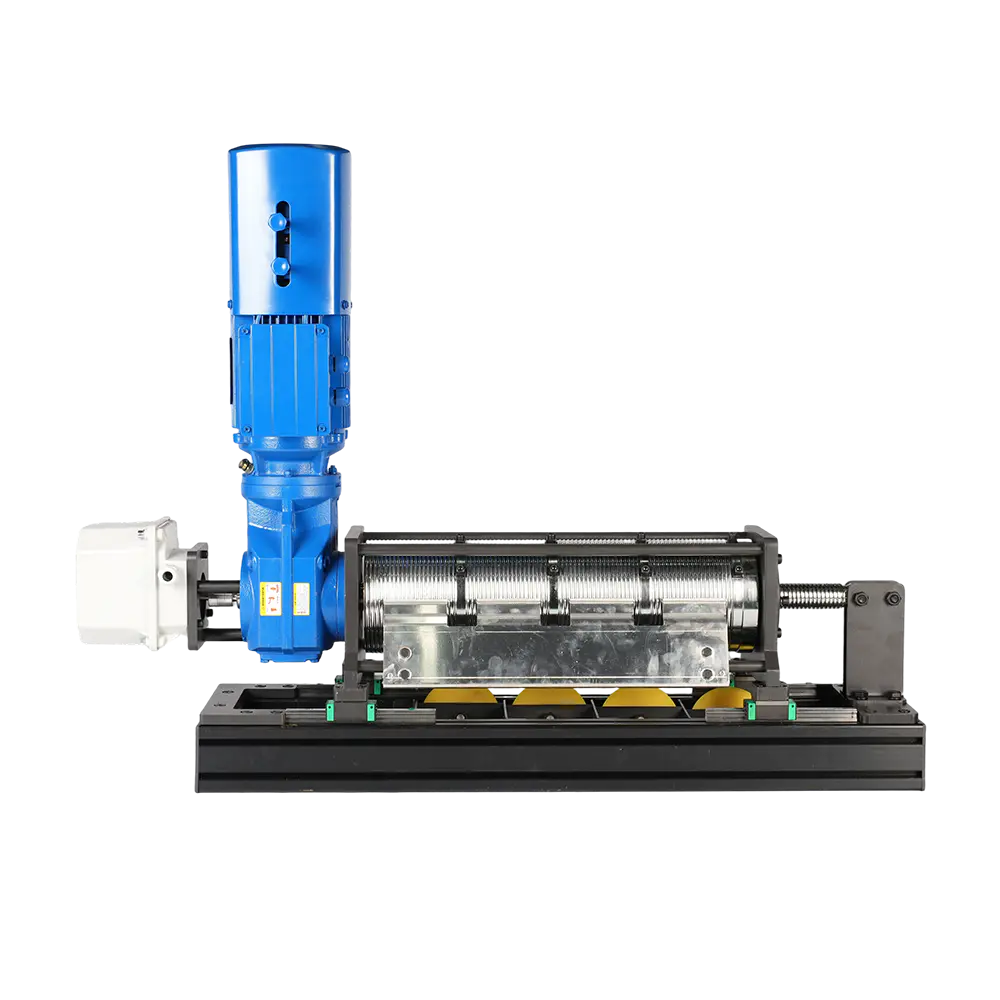
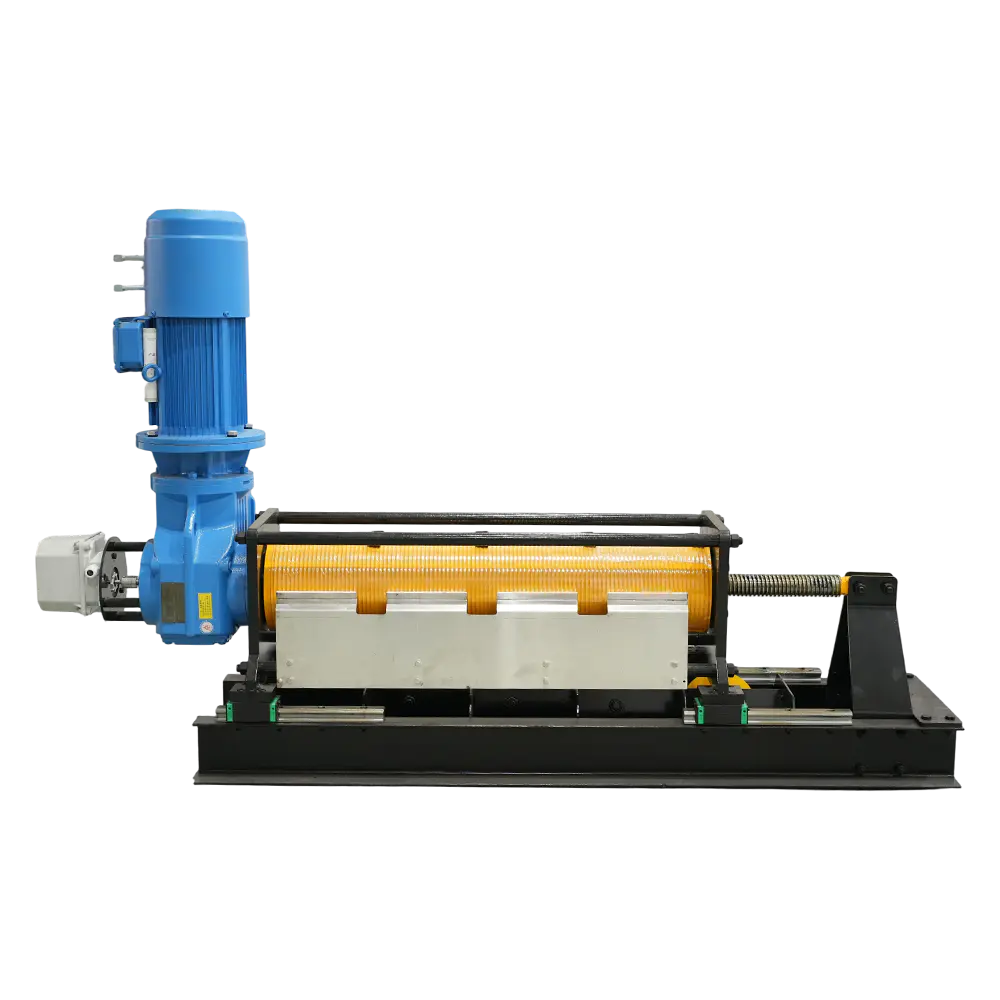
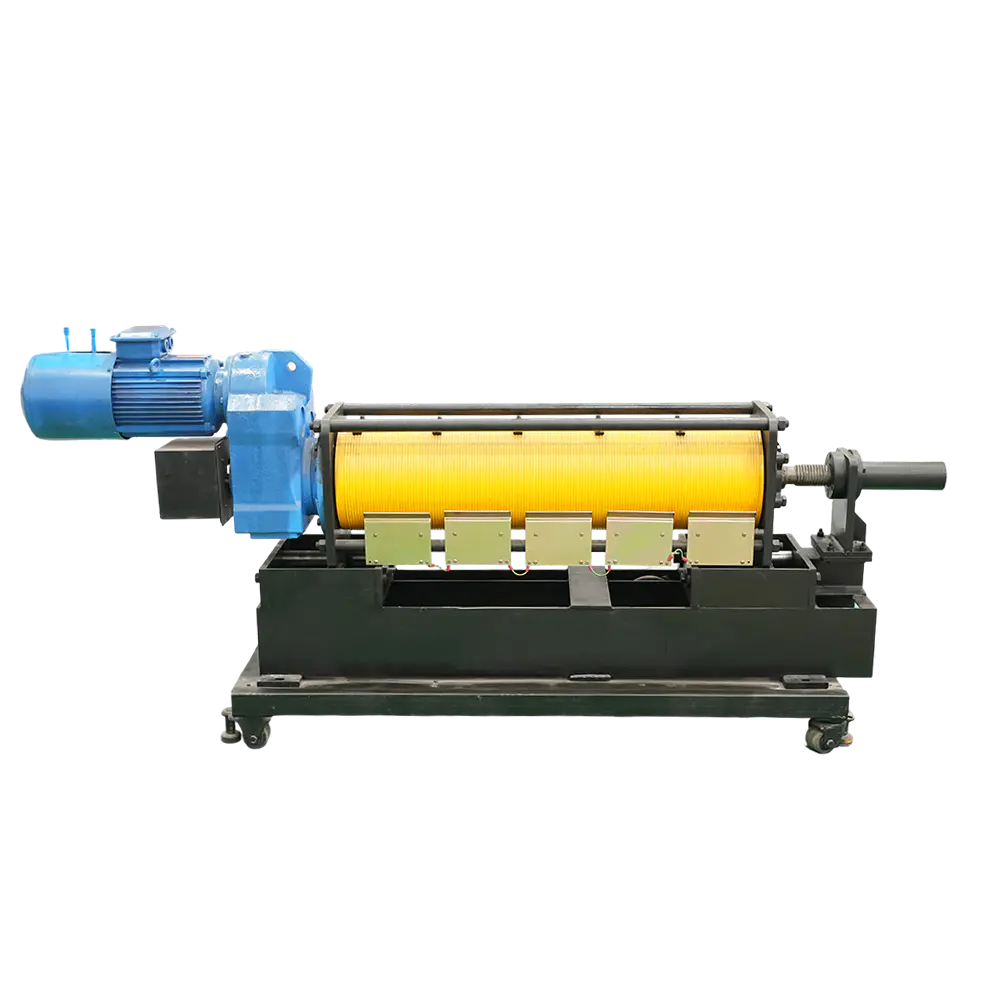
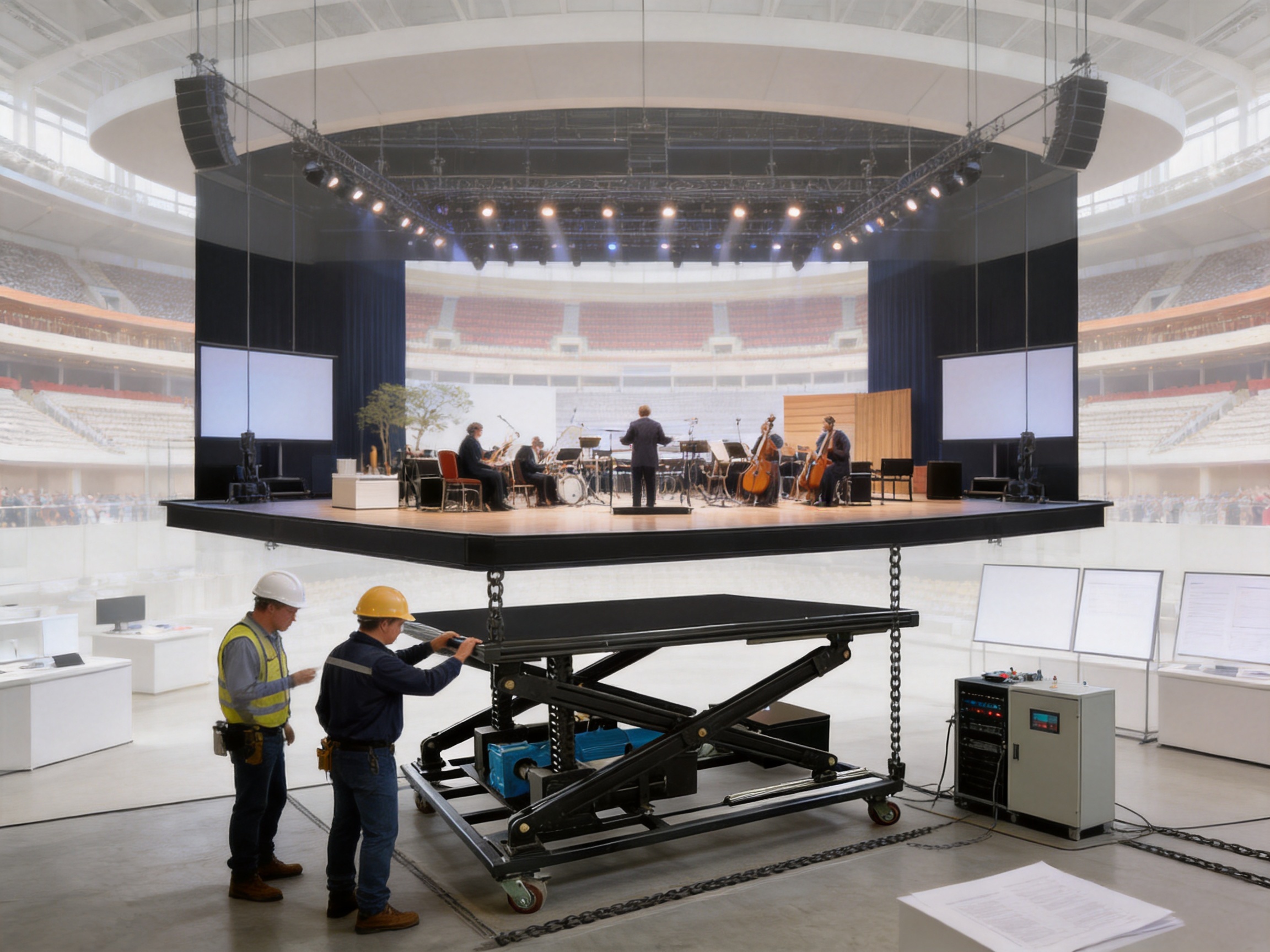
The Rigid/Screw/Rack/Chain Lifting Chain Lift Table is designed for these requirements. It combines an electric motor, reducer, rigid chain lifting mechanism, guiding racks, linear guidance, stage platform construction, and X-tracing supports into a coordinated lifting system. Its standard lifting velocity can reach 150 mm/s, while its modular chain configuration allows single, double, or multiple chains to be selected according to the platform size, payload, and structural requirements of a project.
Unlike a basic hoisting device, this type of lift table is a complete stage-level movement solution. The lifting force is generated through a rigid chain system, while the guides and bracing components control the platform’s path and resist unwanted movement. The result is a stable vertical lift intended for theaters, cultural centers, stadiums, conference venues, multifunctional performance spaces, and other locations where stage automation must combine accuracy with practical reliability.
RenteZhihe (JiangSu) Equipment Technology Co., Ltd. develops and manufactures stage machinery, performance equipment, and intelligent control systems. Its engineering and service capabilities cover design, production, installation, commissioning, operation, and maintenance. This integrated approach allows the lift table to be considered not as an isolated mechanism, but as part of a complete stage automation project.
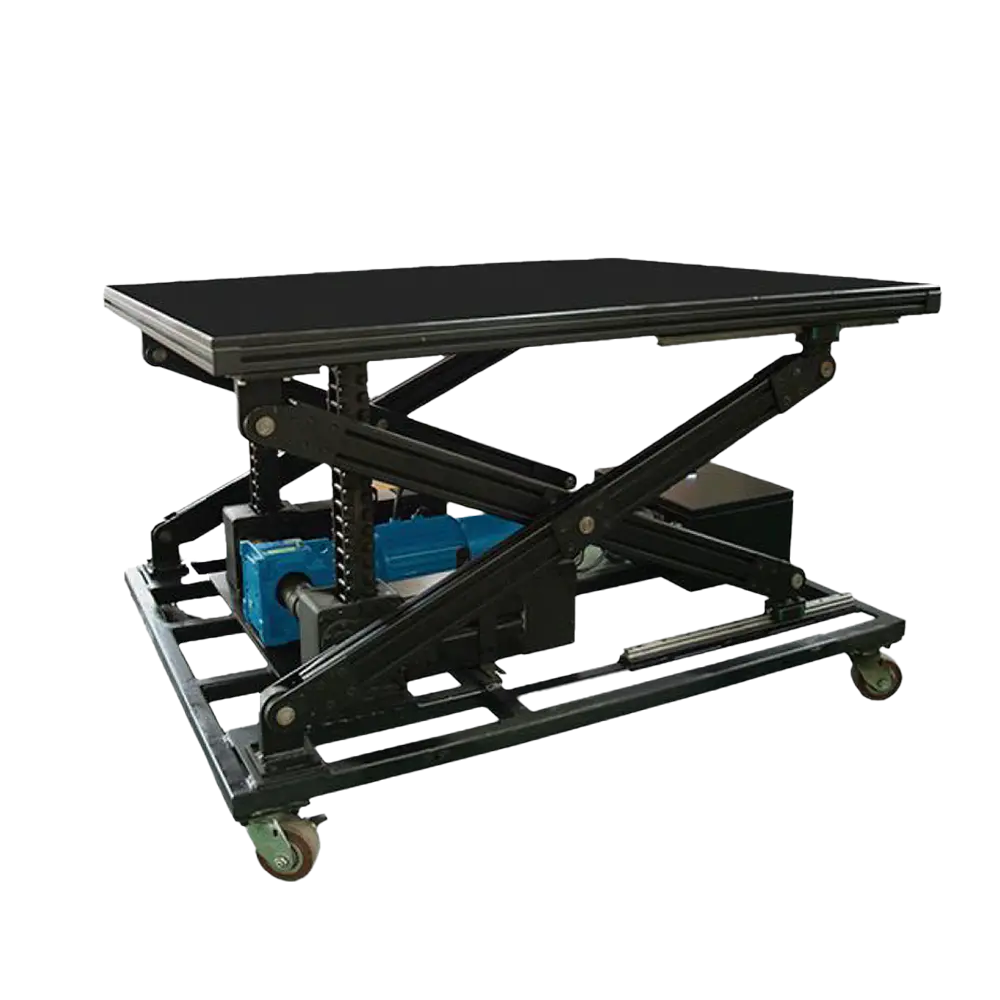
Rigid/Screw/Rack/Chain Lifting Chain Lift Table
Stage-level changes are often central to a production’s visual language. A platform may need to rise from below the stage, create a secondary performance level, reveal scenery, move instruments, position a vehicle, or provide access between different areas of a venue. In each situation, the lift must perform a controlled movement while preserving the feeling of continuity between the moving platform and the surrounding stage.
Small errors can become highly visible in a performance environment. A platform that stops slightly above or below the surrounding floor may create a trip hazard or interrupt the visual composition. A platform that shifts sideways while moving can damage adjacent scenery or create an uncomfortable sensation for performers. A platform that accelerates unpredictably may disturb equipment, musical instruments, props, or people standing on it.
For these reasons, a stage lift table must address several engineering requirements at the same time. It needs a suitable load-bearing structure, a drive system capable of producing consistent force, a guide arrangement that controls lateral movement, and a control architecture that supports accurate starting, stopping, and positioning. It should also be practical to install, inspect, maintain, and adapt to the particular conditions of the venue.
The rigid chain lift table responds to these needs through a coordinated mechanical design. Its rigid chain provides the primary lifting force, while the platform structure and guiding elements help preserve stability. The reducer connects motor speed with the required lifting speed and torque. The modular configuration allows the equipment to be scaled for different loads without abandoning the basic design concept.
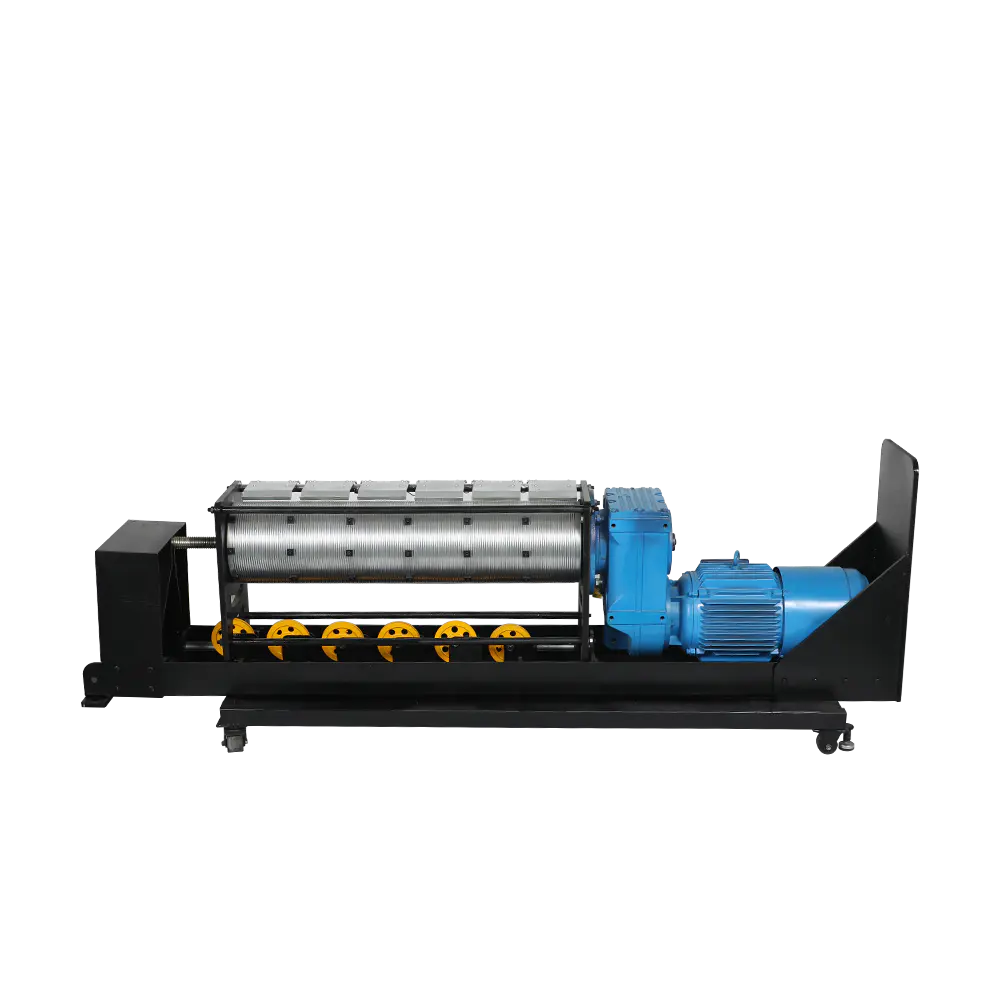
A rigid chain system differs from a conventional cable-based lifting arrangement in the way it transfers force. Wire rope systems primarily lift through tension from an overhead or remote support point. A rigid chain system can push as well as pull. As the interlocking links extend, they form a self-supporting column capable of transferring force upward beneath the platform.
This push-pull capability changes the structural possibilities of a stage lift. The platform does not have to depend solely on an overhead rigging point. The lifting mechanism can be positioned below or beside the platform, depending on the overall design. This is particularly useful where the ceiling structure is limited, where an overhead support system would interfere with scenery or lighting, or where the venue requires a clean and unobstructed space above the stage.
The rigid chain is stored compactly in a chain box when retracted. This arrangement helps the system use available space efficiently while keeping the chain protected when it is not extended. As the drive mechanism operates, the chain is guided into its working position and provides vertical support to the lifting platform.
The rigid construction also helps reduce the elastic “give” associated with some cable-based systems. A cable under load can display deflection that changes with load, length, and tension. A rigid chain column is intended to provide a more direct and stable transfer of force. For a performer stepping onto a raised stage platform, this contributes to a solid, floor-like feel rather than the sensation of standing on a suspended structure.
The ability to push as well as pull is one of the most important advantages of rigid chain lifting. A cable can suspend a platform effectively, but it cannot normally push the platform upward without another structural arrangement. A rigid chain, by contrast, can extend from its storage position and form a supporting column.
This principle is valuable when a project requires a lower-profile installation or when a conventional overhead lifting arrangement is undesirable. It can simplify the relationship between the lift and the architecture of the venue. It may also provide greater freedom in planning the space above the stage for lighting fixtures, acoustic equipment, scenery, projection equipment, and other production elements.
The push-pull design does not eliminate the need for appropriate guides, structural analysis, safety provisions, or professional installation. Instead, it provides a different and often more adaptable foundation for the lifting system. The platform remains dependent on the complete interaction of the chain, drive, guides, support frame, control system, and safety procedures.
Stage platforms frequently carry off-center loads. A group of performers may stand toward one side, scenery may be concentrated in a particular area, or a vehicle or piece of equipment may enter from an edge. The lift must therefore be designed to handle more than a perfectly centered static load.
The rigid chain system works together with linear guides and X-tracing supports to address these conditions. The chain supplies vertical lifting force, while the guide system controls the platform’s path. The X-tracing structure contributes resistance against twisting and deformation. Together, these components help maintain platform stability during movement and at rest.
A well-designed lift table should not rely on one component to solve every mechanical problem. The chain should not be expected to provide all lateral guidance, and the guides should not be expected to replace appropriate load distribution. The strength of the system comes from assigning each part a clear function and coordinating the parts as a complete mechanical assembly.
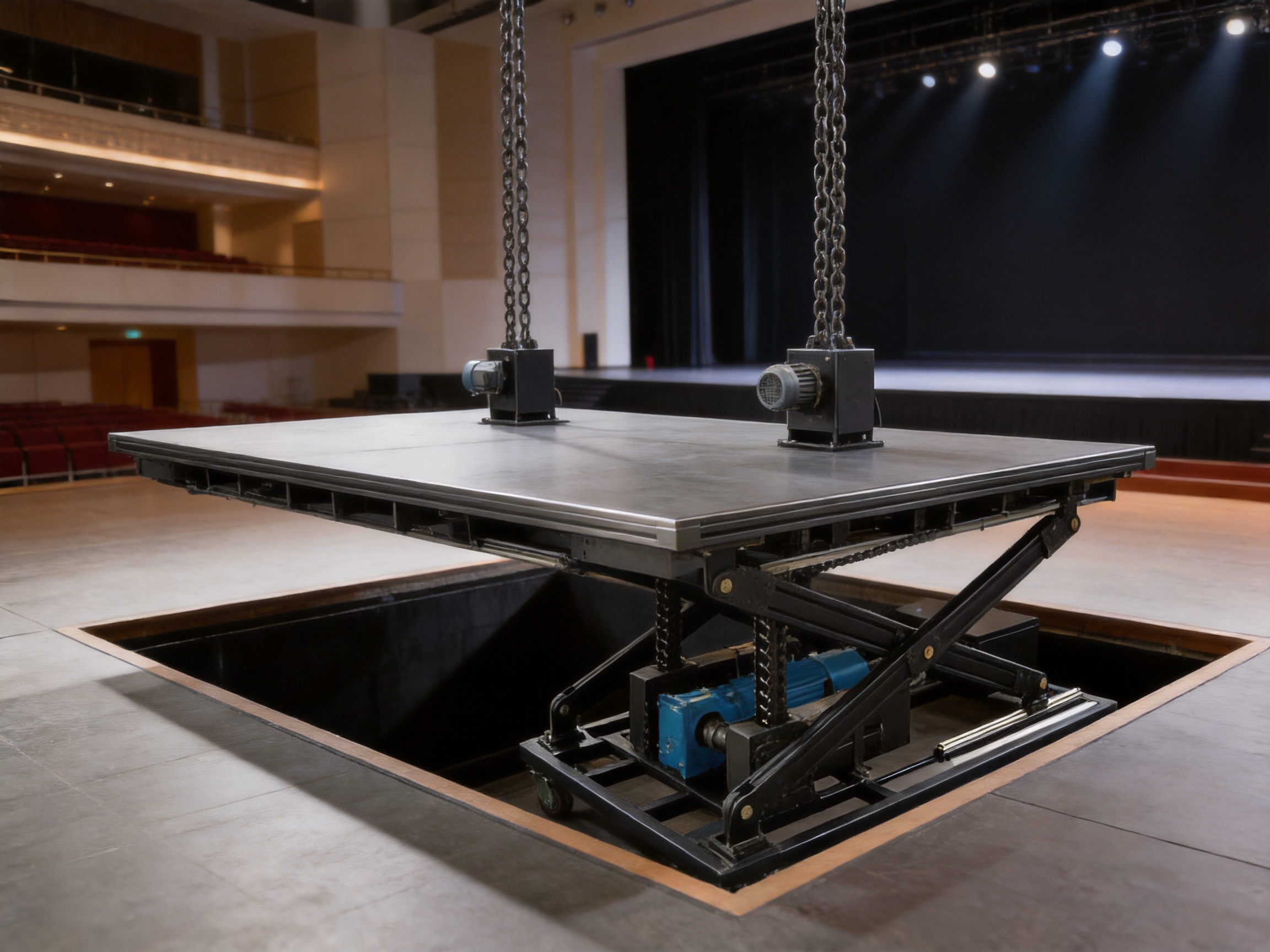
One of the practical strengths of the rigid chain lift table is its modular chain configuration. Depending on the required load and platform dimensions, the equipment can use a single chain, double chains, or multiple synchronized chains. This allows the system to be adapted to a wide range of stage applications without requiring an entirely different lifting principle for every project.
A single-chain arrangement may be suitable for a smaller platform or a lighter payload. When the platform becomes larger or the load increases, additional chains can be introduced to share the lifting force. This approach can help distribute the load more evenly and reduce the demand placed on any individual chain or support point.
However, using multiple chains requires more than simply placing two or more lifting mechanisms beneath a platform. The chains must extend at a matched rate and remain coordinated throughout the movement. If one chain advances faster than another, the platform can become out of level, creating uneven loading and additional stress on the structure.
The synchronization of the chains is therefore a central engineering consideration. A properly integrated system coordinates the chain movement through the drive arrangement and control system. The aim is to ensure that the platform rises evenly, reaches its intended position accurately, and remains secure during operation.
| Configuration | Typical Design Purpose | Primary Consideration |
|---|---|---|
| Single chain | Compact platforms and lighter lifting requirements | Correct alignment and load distribution |
| Double chain | Broader platforms or increased load sharing | Matched extension and balanced support |
| Multiple chains | Large platforms and demanding stage applications | System synchronization and structural coordination |
The modular principle also benefits project planning. Designers can select the chain count according to the actual application instead of choosing an oversized or unrelated mechanism. This may make the equipment easier to integrate into the stage layout and may provide a more logical relationship between lifting capacity, platform geometry, and installation space.
The lifting chain creates vertical movement, but it is not solely responsible for keeping the platform on a straight path. This is the purpose of the guidance structure. Linear guides constrain the platform’s movement and reduce lateral drift as the platform rises and descends. They help the platform follow a repeatable vertical route rather than moving freely in several directions.
Guidance is particularly important when the platform operates close to fixed stage edges, scenery, walls, adjacent platforms, or technical equipment. Even a small amount of unwanted lateral movement can create interference. A well-arranged guide system helps maintain the clearance required for smooth movement and accurate positioning.
X-tracing supports provide another layer of structural control. Their diagonal arrangement helps resist twisting forces that may develop when the load is not evenly distributed. When a performer, prop, or piece of equipment is located away from the platform center, the resulting moment can try to rotate or distort the platform. The X-tracing elements work as part of the support structure to counter this tendency.
| Component | Mechanical Function | Operational Benefit |
|---|---|---|
| Rigid chain | Transfers vertical push-pull lifting force | Stable and direct platform movement |
| Linear guides | Constrain the platform to a defined vertical path | Accurate travel and reduced lateral drift |
| X-tracing supports | Resist twisting and deformation | Improved stability under uneven loads |
| Reducer | Matches motor speed and torque to the lift | Controlled output and consistent operation |
| Stage platform | Supports performers, scenery, equipment, or vehicles | Integration with the venue’s performance surface |
These components address different potential failure modes. The chain provides lifting force, the guides control the path, and the bracing resists unwanted structural movement. Their combination is more effective than depending on the chain alone. This is a major reason why a complete rigid chain lift table should be evaluated as a system rather than as a simple lifting actuator.
The standard lifting velocity of up to 150 mm/s offers a practical balance between visible movement, production timing, and controlled operation. A speed rating by itself does not describe the entire quality of a lift. What matters in a live venue is how consistently the lift accelerates, travels, and stops, and whether the movement can be repeated accurately from one performance to the next.
For example, a director may coordinate the rise of a platform with lighting, music, projection, sound effects, or performer movement. If the platform reaches its position too early or too late, the intended cue can lose its impact. Consistent speed and predictable positioning make it easier for technicians to plan the sequence and reproduce it reliably.
The reducer plays an important role in connecting the motor’s output to the requirements of the lifting mechanism. The system is designed so that power and speed output remain constant during operation and correspond directly to the reducer’s operating speed. When combined with suitable digital or inverter control, this arrangement supports smooth adjustment and repeatable movement.
Controlled speed is also important for the comfort and safety of people on the platform. Sudden changes can cause instability, shift loose scenery, or disturb technical equipment. A smooth motion profile gives performers and operators greater confidence, particularly when the platform is carrying people or valuable production assets.
It is important to distinguish maximum speed from the speed selected for a particular production. A venue may use the full available velocity for a rapid scene change, while another performance may require slower movement for dramatic effect or for the careful handling of scenery. The control system can be configured according to the project’s operational requirements, within the designed limits of the equipment.
Contemporary stage machinery is increasingly connected to centralized control environments. A lift table may operate as part of a larger sequence involving stage curtains, lighting fixtures, projection surfaces, turntables, orchestra platforms, sound cues, and other automated equipment. Compatibility with digitalized control systems is therefore a significant advantage.
The rigid chain lift table is designed to work with digital control and inverter control. This supports the management of motor speed, direction, starting, stopping, and programmed movement. It also enables the equipment to be incorporated into a broader automation strategy rather than operated only through isolated manual commands.
Digital control can improve repeatability. Once a movement sequence has been tested and approved, the same position and timing can be recalled for subsequent performances. This reduces dependence on moment-to-moment manual adjustment and helps the technical team maintain consistent results across a long production schedule.
Digital integration also supports the creation of interlocks and operational permissions. A platform can be prevented from moving when another piece of equipment occupies a conflict zone, or a sequence can be arranged so that a required condition is confirmed before movement begins. The exact control architecture depends on the venue and project, but the lift’s compatibility with digital systems provides a suitable foundation.
Automation must always be supported by proper commissioning, operator training, inspection, and maintenance. Digital control is not a substitute for mechanical safety. Instead, it works with the mechanical design to create a more controlled and transparent operating environment.
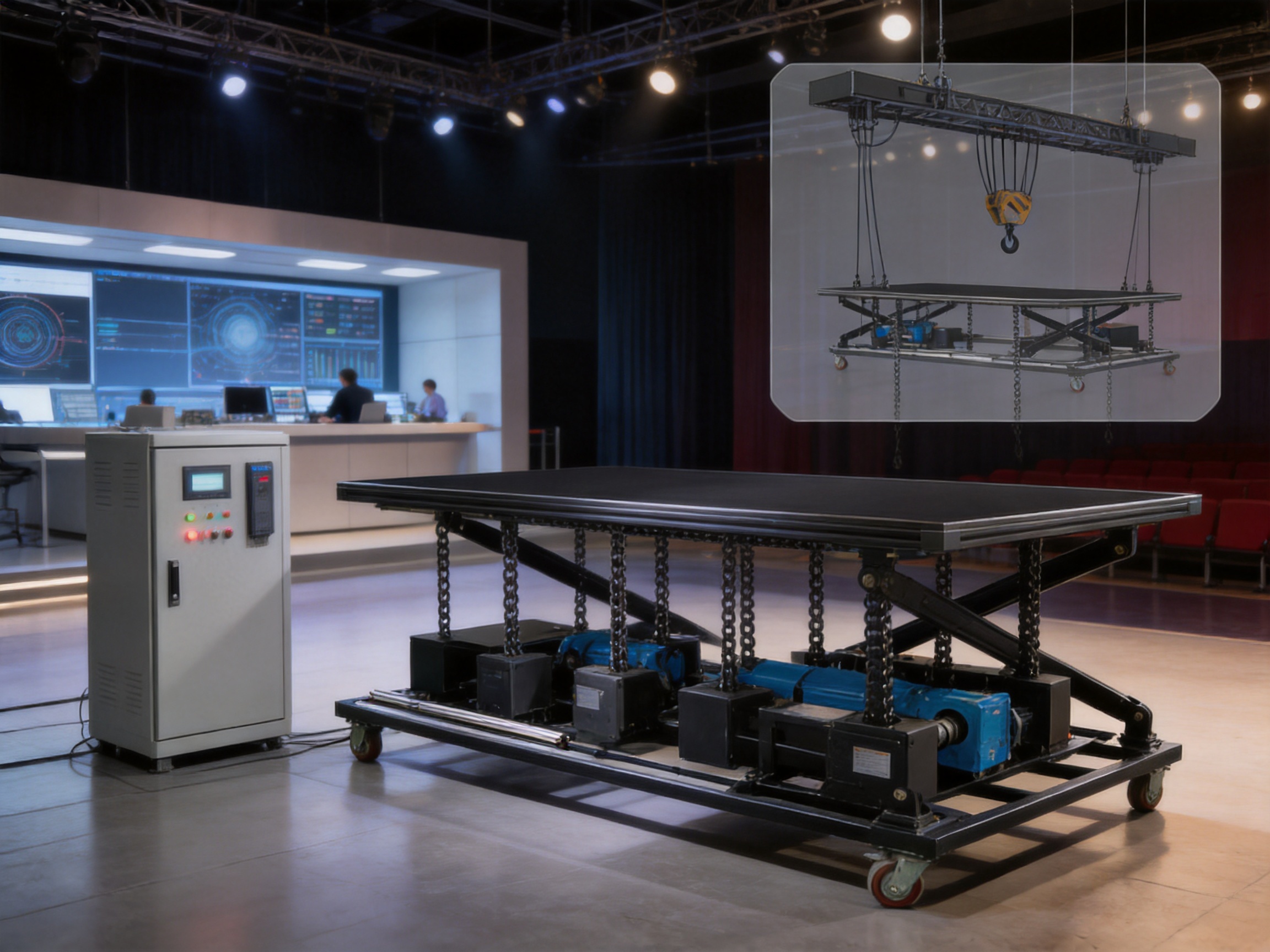
Rigid chain lifting systems and cable-based lifts each have legitimate applications, but their mechanical characteristics are different. A cable-based system often depends on tension, overhead support, drums or sheaves, and careful management of cable routing. A rigid chain system uses interlocking links that can form a self-supporting lifting column and can be stored compactly when retracted.
The first advantage is the push-pull capability. A rigid chain can drive a platform upward from below, while a conventional cable arrangement generally suspends the platform from above. This may reduce dependence on overhead rigging points and give designers more freedom when working within venues where roof structure, visual clearance, or technical coordination is limited.
The second advantage is the potential for reduced deflection under load. Cable systems can stretch or display movement as tension changes. A rigid chain column is designed to offer a more direct force path. This can help the raised platform feel more stable and solid, particularly when people move across it.
The third advantage is modular load sharing. Rigid chain systems can be configured with one or more synchronized chains. This makes it possible to adapt the lifting arrangement to the size and payload of the platform while retaining a common design concept.
The fourth advantage is compact storage. The chain is designed to collect in a chain box, which can help reduce the space needed for the retracted lifting element. This can be valuable in stage pits, under-platform areas, or other locations where installation space is restricted.
The fifth advantage is integration with modern control systems. The combination of a reducer, inverter control, digital commands, guides, and synchronized chains is well suited to programmed stage movement. The system can support the timing and repeatability expected in automated performance environments.
| Evaluation Area | Rigid Chain Lift Table | Typical Cable-Based Arrangement |
|---|---|---|
| Force direction | Can push and pull through a rigid chain column | Primarily relies on tension and suspension |
| Overhead support | May operate without a dedicated overhead rigging point | Often requires overhead support or routing structure |
| Load sharing | Single, double, or multiple synchronized chains | Depends on cable layout and equalization design |
| Platform feel | Designed for firm support and minimal movement under load | May experience cable stretch or tension-related movement |
| Storage | Rigid chain can be collected in a chain box | Requires drums, sheaves, or other cable management |
| Control integration | Compatible with digitalized and inverter control | Depends on the specific drive and control architecture |
The correct choice always depends on the project. Load, travel, pit depth, available structure, speed, maintenance conditions, safety requirements, and control integration must all be considered. Nevertheless, for stage-level lifting where a firm platform, flexible installation, and accurate automated movement are priorities, the rigid chain approach offers a compelling alternative to conventional cable systems.
The performance of a stage lift depends not only on its concept but also on the quality of its engineering and manufacturing. A lift table contains multiple interacting components. The motor, reducer, chains, guides, bracings, platform, electrical controls, and safety functions must work together within the designed tolerances.
RenteZhihe (JiangSu) Equipment Technology Co., Ltd. is a high-tech enterprise specializing in the research and development and manufacture of stage machinery, performance equipment, and intelligent control systems. This specialization gives the company a focused understanding of the working conditions found in theaters, cultural centers, stadiums, conference centers, and multifunctional performance spaces.
The company’s strength lies in its integrated project capability. Its service system covers design, production, installation, commissioning, operation, and maintenance. This means the product can be developed with the final installation environment in mind rather than being treated as a generic item disconnected from the venue.
A stage lift project begins with the application. Engineers need to understand the platform dimensions, expected payload, travel distance, required speed, duty cycle, surrounding structures, access for maintenance, control requirements, and the relationship with other stage equipment. These factors influence chain quantity, guide arrangement, motor and reducer selection, platform construction, and safety provisions.
The modular nature of the rigid chain lift table supports this design process. Instead of forcing every venue into one fixed configuration, the engineering team can evaluate whether a single-chain, double-chain, or multiple-chain arrangement is most appropriate. The platform and X-tracing supports can also be considered in relation to the anticipated load distribution and stage layout.
Application-oriented design helps prevent common installation problems. A lift that is suitable in one venue may not be suitable in another if the available pit space, platform shape, travel height, or surrounding equipment is different. Early engineering coordination allows the final system to be planned around actual site conditions.
Manufacturing a stage lift requires attention to the relationship between individual parts. The chain must align correctly with its drive and storage arrangement. The guide components must maintain the intended path. The platform frame must connect securely with the lifting and support structure. The X-tracing elements must be positioned to provide the required resistance against twisting.
Quality in this context is not limited to the appearance of a single component. It also includes dimensional coordination, assembly accuracy, smooth operation, and the ability of the complete mechanism to perform repeated cycles. The company’s focus on stage machinery and intelligent equipment supports a production approach in which mechanical and control considerations are evaluated together.
Installation is a critical stage in the life of a lift table. Even a well-manufactured machine must be positioned, aligned, connected, and adjusted correctly at the venue. The surrounding structure, pit conditions, power supply, control system, and safety arrangements must be checked as part of the commissioning process.
Commissioning should confirm that the platform travels through its intended route, the guides operate correctly, the chains remain synchronized, the motor and reducer perform as expected, and the control commands correspond to the actual movement. Operators and technical personnel should also become familiar with normal operation, emergency procedures, inspection points, and maintenance requirements.
By providing services that extend from design through installation and commissioning, RenteZhihe can maintain continuity between the original engineering intention and the final site installation. This continuity can be particularly valuable for custom stage projects where the lift table forms part of a larger automated system.
Stage machinery is a long-term investment. Its value depends on dependable operation over many years, not simply on successful delivery. Regular inspection, lubrication where applicable, adjustment, cleaning, electrical checks, and replacement of wear components are important to maintaining performance.
A manufacturer with experience in operation and maintenance can help venue owners establish practical service procedures. Maintenance planning should account for the operating frequency, environmental conditions, load patterns, control architecture, and access available around the equipment. Keeping service records can also help identify changes in performance before they become serious problems.
The company’s complete service system is intended to support the equipment throughout its working life. This approach reflects the reality that stage machinery is part of an operational environment, where reliability, response time, and technical support can be as important as the original specification.
Safety is a fundamental requirement for any stage lifting system, especially when people, scenery, instruments, or vehicles may be present on the platform. The rigid chain lift table incorporates safety-oriented mechanical and control characteristics intended to support stable operation.
The rigid chains are designed to bear vertical and horizontal loads within the system’s specified capacity. Each chain is stored compactly in a chain box when retracted. The chain arrangement provides a defined force path, while the guides and X-tracing supports help control the platform’s movement and resist unwanted deformation.
Constant power and speed output during operation contribute to predictability. When the output is directly related to the reducer’s speed, the control system can manage the lift in a more repeatable manner. This is useful for normal performance cues and for controlled testing during maintenance.
Multiple-chain configurations provide additional load-sharing options, but their safety depends on proper synchronization and installation. A platform supported by several chains must remain level and structurally coordinated. Digitalized control and inverter control can contribute to this coordination when correctly designed, configured, and commissioned.
The equipment is also designed to operate quietly and reliably. Noise control matters in theaters and other venues where stage machinery may operate during a performance, rehearsal, conference, or broadcast. Quiet mechanical movement helps preserve the audience experience and reduces distraction for performers and technical staff.
Safety functions should be considered together with venue procedures. Operators need clear instructions, appropriate access control, inspection routines, emergency response procedures, and communication protocols. No mechanical system can replace professional operation and regular maintenance.
The lift table can be adapted to numerous stage and venue applications. In a theater, it may serve as a performer lift, orchestra platform, scenery lift, trap platform, or stage extension. Its controlled movement can support dramatic reveals, transitions between scenes, and changes in the vertical relationship between performers and audience.
In a cultural center, the platform may need to support different types of programs throughout the year. One event may require a clear stage surface, while another may need an orchestra, exhibition arrangement, presentation platform, or temporary performance area. A flexible lift system can contribute to this multi-use character.
In stadiums and large event spaces, lifting equipment may be used for presentation platforms, ceremonial areas, equipment access, or temporary performance structures. These projects often involve larger platforms and more complex load conditions, making synchronized multiple-chain configurations and structural guidance particularly important.
Conference centers can use automated lift tables to create adaptable presentation spaces. A platform may rise for a keynote presentation, lower to restore a flat floor, or support technical equipment during an event. Smooth, quiet, digitally controlled movement is valuable where the equipment must operate without interrupting speech or broadcast activity.
Multifunctional performance spaces benefit from equipment that can support frequent changes. The combination of modular lifting capacity, accurate guidance, and digital control helps the venue respond to different production formats while maintaining a consistent technical standard.
Before specifying a rigid chain lift table, the project team should define the intended use clearly. Important questions include the platform’s length and width, maximum rated load, travel distance, desired lifting speed, operating frequency, number of daily cycles, and whether people will be transported or positioned on the platform.
The team should also examine the available installation space. This includes the stage pit, under-platform area, adjacent walls, overhead clearance, access routes, inspection areas, and locations for control cabinets or chain boxes. The compact storage of the rigid chain may be an advantage, but the complete system still requires adequate space for guides, bracings, drive components, and maintenance access.
Load distribution deserves special attention. The maximum total payload is not the only consideration. The location of the load and the possibility of off-center loading affect the platform structure and the guide system. Scenery, vehicles, instruments, and groups of performers can create different load patterns during operation.
Control integration should be discussed early. The venue may require connection with an existing stage management system, inverter control, digital cueing, emergency stop arrangements, or interlocking with other equipment. Early coordination helps ensure that mechanical, electrical, and software requirements are compatible.
Finally, the project should establish a maintenance and inspection plan. The plan should identify responsible personnel, inspection intervals, operating limits, spare parts, and procedures for reporting unusual noise, vibration, uneven travel, or control irregularities.
| Planning Category | Questions to Confirm |
|---|---|
| Platform | What are the dimensions, surface requirements, and structural connections? |
| Payload | What is the maximum total load and how might it be distributed? |
| Travel | What lifting height and movement sequence are required? |
| Speed | Is the application focused on rapid transitions, gentle movement, or both? |
| Chain configuration | Would a single, double, or multiple-chain arrangement be appropriate? |
| Guidance | What linear guide and X-tracing arrangement is required for the platform? |
| Control | How will the lift connect to digital or inverter-based stage control? |
| Maintenance | How will inspection, access, service, and emergency procedures be organized? |
Stage automation projects can become difficult when the mechanical equipment, control system, installation work, and after-sales service are supplied without coordination. Problems may arise from incompatible interfaces, unclear responsibilities, unsuitable site assumptions, or insufficient commissioning.
An integrated manufacturer can reduce these risks by maintaining a consistent understanding of the product from design through operation. The same organization can evaluate the lifting mechanism, the platform structure, the guide system, the control requirements, and the installation environment as connected parts of one project.
RenteZhihe’s capabilities in research and development, manufacturing, intelligent control, installation, commissioning, operation, and maintenance reflect this integrated model. Its experience with performance venues supports the development of equipment intended for real production environments rather than only laboratory or workshop conditions.
The company also serves domestic and international customers. This requires an understanding of different venue types, project coordination practices, technical expectations, and service requirements. Its stated commitment to craftsmanship, integrity, innovation, and long-term industry development provides a foundation for building continuing customer relationships.
For buyers, the benefit of working with an integrated stage machinery manufacturer is not limited to the first delivery. It includes clearer communication during specification, better coordination during installation, more consistent commissioning, and access to technical support when the equipment becomes part of the venue’s daily operation.
Operators should use the lift table only within its specified load, travel, speed, and environmental limits. The platform should be kept clear of unauthorized objects, and the surrounding area should be checked before movement. Any equipment that could interfere with the platform or its guides should be removed or secured.
Before each operating period, personnel should confirm that the platform is in the expected condition and that no abnormal sound, visible damage, obstruction, or fluid or electrical issue is present. Where the venue uses digital cues, the programmed sequence should be reviewed whenever the production changes.
Operators should pay attention to uneven movement. A platform that appears to tilt, vibrate, hesitate, or travel differently from normal may indicate a problem with synchronization, guidance, loading, drive components, or control settings. Such symptoms should be investigated rather than ignored.
Routine maintenance should follow the manufacturer’s instructions and the venue’s safety management system. Inspection records should document the date, personnel, work performed, identified issues, and any corrective measures. A structured record makes it easier to recognize gradual changes in performance.
Training should cover normal operation, digital control interfaces, emergency procedures, communication with performers and stage staff, and the conditions under which the equipment must be taken out of service. The goal is to ensure that the lift table is operated as a professional stage machine rather than as a general-purpose platform.
A rigid chain lift table is a stage platform lifting system that uses interlocking rigid chains to generate vertical movement. The chain can push as well as pull and can form a self-supporting column as it extends. The complete system normally includes an electric motor, reducer, chain lift, guides, support structure, platform, and control system.
The standard lifting velocity can reach up to 150 mm/s. The actual operating speed for a project should be selected according to the platform load, travel distance, production requirements, control strategy, and safety conditions.
Yes. The modular design can use a single chain, double chains, or multiple synchronized chains. The appropriate configuration depends on the platform dimensions, payload, load distribution, travel requirements, and structural design.
Synchronization ensures that every chain extends and retracts at a matched rate. Without synchronization, one chain could move faster than another, causing the platform to become uneven and increasing stress on the structure. Coordinated movement helps maintain level travel and stable load sharing.
Linear guides constrain the platform to a defined vertical path. They reduce lateral drift and help the platform move accurately in relation to adjacent stage structures, scenery, and equipment.
X-tracing supports help resist twisting and deformation, particularly when a load is placed away from the platform center. They work with the chain and linear guides to improve overall structural stability.
The rigid chain principle allows the platform to be driven upward from below and does not depend solely on overhead suspension. The exact installation arrangement must still be designed according to the venue structure, load, travel, guides, and safety requirements.
Yes. The lift table is compatible with digitalized control systems and inverter control. This allows its movement to be coordinated with other stage automation and production cues when the control system is properly engineered and commissioned.
It is designed for stage and performance environments where smooth, stable, quiet, and repeatable movement is required. The final suitability of a particular configuration depends on the venue, load, platform design, operating schedule, and professional safety review.
RenteZhihe provides capabilities covering design, production, installation, commissioning, operation, and maintenance. This supports a complete project approach from initial planning through long-term use.
Maintenance should follow the manufacturer’s technical instructions and the venue’s safety procedures. Regular inspection should cover the chains, chain boxes, reducer, motor, guides, X-tracing supports, platform structure, controls, and safety functions. Abnormal movement or noise should be investigated promptly.
Buyers should provide platform dimensions, maximum and typical loads, travel distance, desired speed, operating frequency, installation space, control requirements, surrounding structures, and intended use. More complete information allows the manufacturer to recommend a more suitable chain configuration and support arrangement.
The Rigid/Screw/Rack/Chain Lifting Chain Lift Table is designed for stage environments where controlled vertical movement must be combined with stability, accuracy, adaptability, and integration. Its rigid chain system provides push-pull lifting capability and compact storage, while linear guides and X-tracing supports help keep the platform aligned and resistant to twisting.
The modular selection of single, double, or multiple synchronized chains allows the system to respond to different platform sizes and load requirements. Its standard lifting velocity of up to 150 mm/s supports practical stage transitions, while reducer-based output and compatibility with digitalized and inverter control contribute to repeatable movement.
Compared with conventional cable-based approaches, the rigid chain system can offer important advantages where overhead rigging is limited, a firm platform feel is required, or flexible load-sharing arrangements are needed. These advantages are strongest when the complete system is engineered correctly and supported by suitable installation, commissioning, operation, and maintenance procedures.
RenteZhihe combines stage machinery manufacturing with intelligent control development and full project services. Its capabilities cover research and development, production, installation, commissioning, operation, and maintenance. This integrated manufacturing approach helps ensure that the lift table is considered in relation to the venue, the performance workflow, and the long-term needs of the customer.
For theaters, cultural centers, stadiums, conference centers, and multifunctional performance spaces, a rigid chain lift table can provide a practical foundation for reliable stage automation. It transforms vertical movement from a simple mechanical action into a coordinated, precise, and repeatable part of the performance environment.
1. RenteZhihe (JiangSu) Equipment Technology Co., Ltd. Product information for the Rigid/Screw/Rack/Chain Lifting Chain Lift Table.
2. RenteZhihe (JiangSu) Equipment Technology Co., Ltd. Company information and stage machinery service overview.
3. General principles of mechanical lifting equipment, load distribution, guide systems, and structural bracing.
4. General principles of digital motion control and inverter-based motor control for stage automation.
5. General stage machinery planning practices for theaters, cultural centers, stadiums, conference centers, and multifunctional performance venues.
We specialize in delivering advanced stage machinery, rigging systems and intelligent control solutions for performance spaces worldwide.

No. 111 Runfeng Road, Hailing District, Taizhou City, Jiangsu Province, China

rtstage@163.com

+86-139 1771 1698

+86-139 1771 1698
rtstage@163.com
 中文简体
 English
 русский
 Français
 Español
 عربى