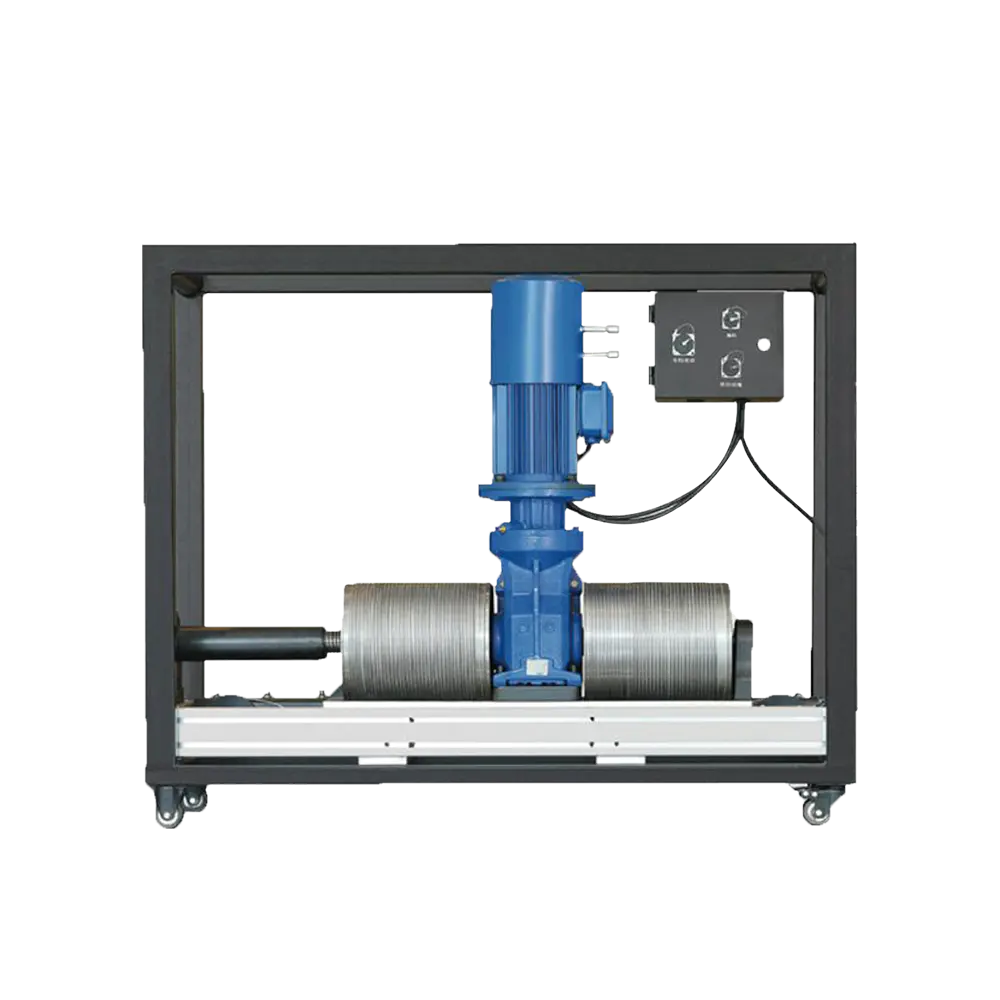
Modern performance venues increasingly depend on stage machinery that can move scenery, lighting systems, curtains, platforms, and suspended equipment with exceptional accuracy. As productions become more complex, conventional lifting equipment is often unable to provide the speed range, synchronization, feedback, and operational flexibility required by contemporary stage automation. A servo-driven zero-fleet stage winch addresses these demands by combining advanced electric servo technology with adaptive rope management, intelligent sensing, and flexible installation options.
The Servo Series Stage Winch is designed for theaters, auditoriums, cultural centers, stadium performance spaces, conference venues, and multifunctional halls that require accurate and repeatable lifting movement. Its ultra-wide speed range of approximately 0.001 to 3 meters per second allows the same system to perform extremely slow positioning tasks as well as fast scene changes. This broad operating range supports delicate visual effects, synchronized scenery movement, and high-paced performances without requiring separate equipment for different motion profiles.
In addition to its performance capabilities, the winch is supported by a complete manufacturing and engineering system. RenteZhihe (JiangSu) Equipment Technology Co., Ltd. specializes in the research, development, production, installation, commissioning, operation, and maintenance of stage machinery and intelligent control systems. Its technical approach combines mechanical engineering, electrical control, sensor integration, and application-specific customization to create dependable equipment for professional venues.
Stage machinery is no longer limited to simple fixed-speed lifting. Modern productions may require several independent objects to move at precisely coordinated times, speeds, and positions. A suspended scenic element may need to descend slowly during a dramatic sequence, stop at an exact height, and then accelerate upward while other stage elements move simultaneously. These operations place strict demands on the drive system, brake structure, rope arrangement, feedback control, and operator interface.
A stage winch must also operate reliably under changing payload conditions. Scenery can vary in weight, shape, and distribution. Curtains may be affected by air movement, while suspended equipment can experience transient forces during acceleration or deceleration. If the lifting system cannot respond properly to these conditions, the rope may lose tension, overlap on the drum, skip its intended path, or produce irregular movement.
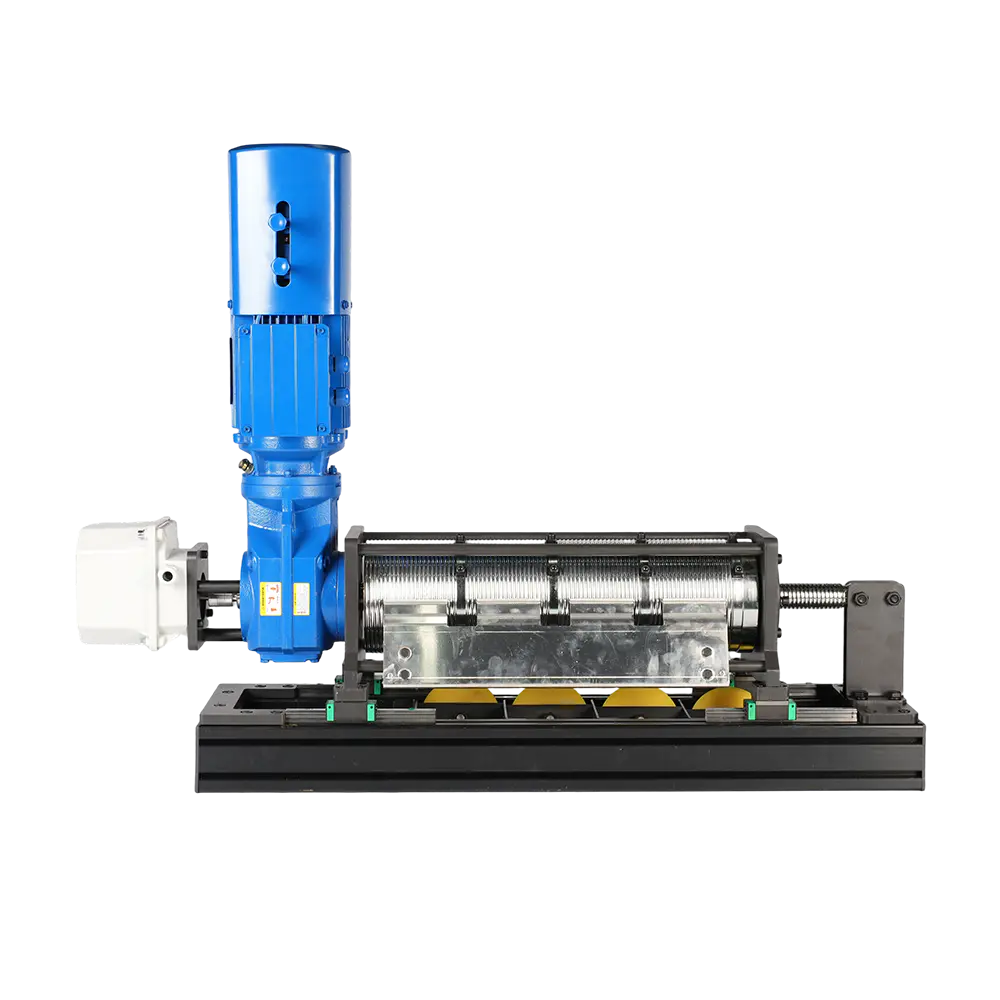
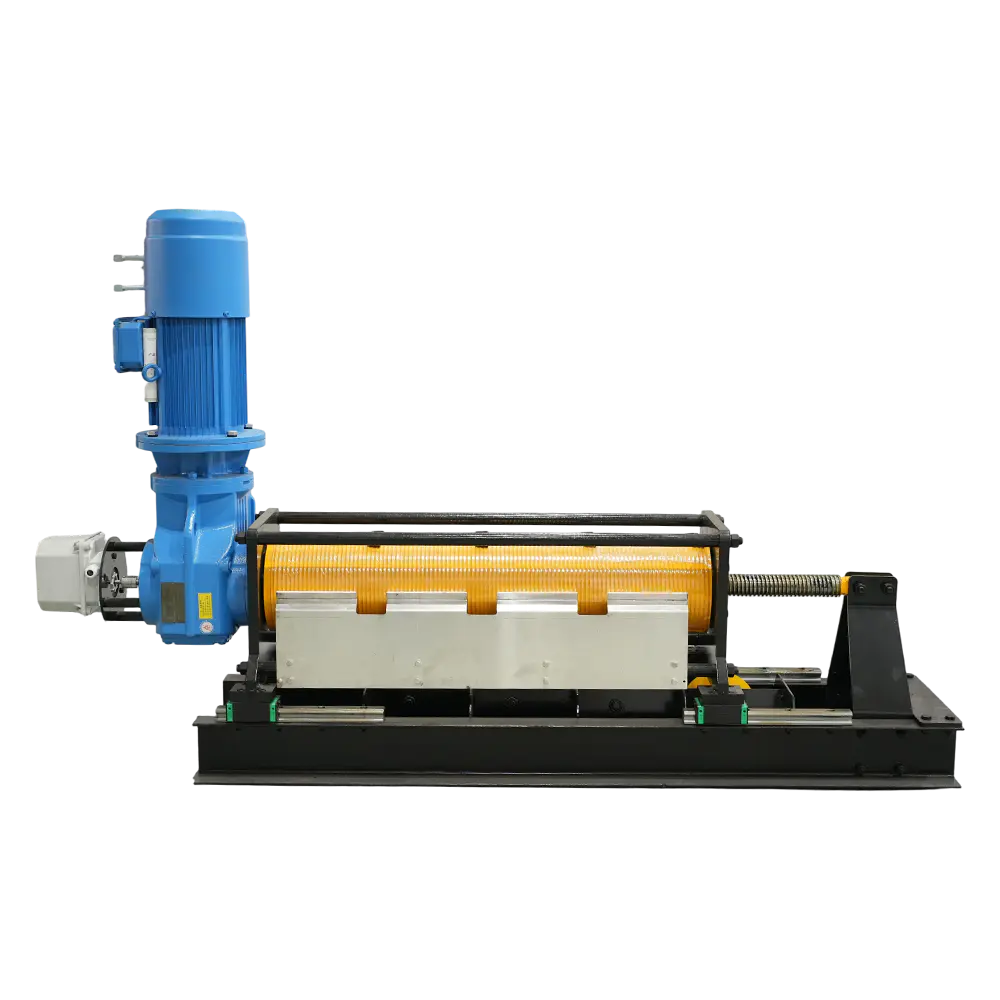
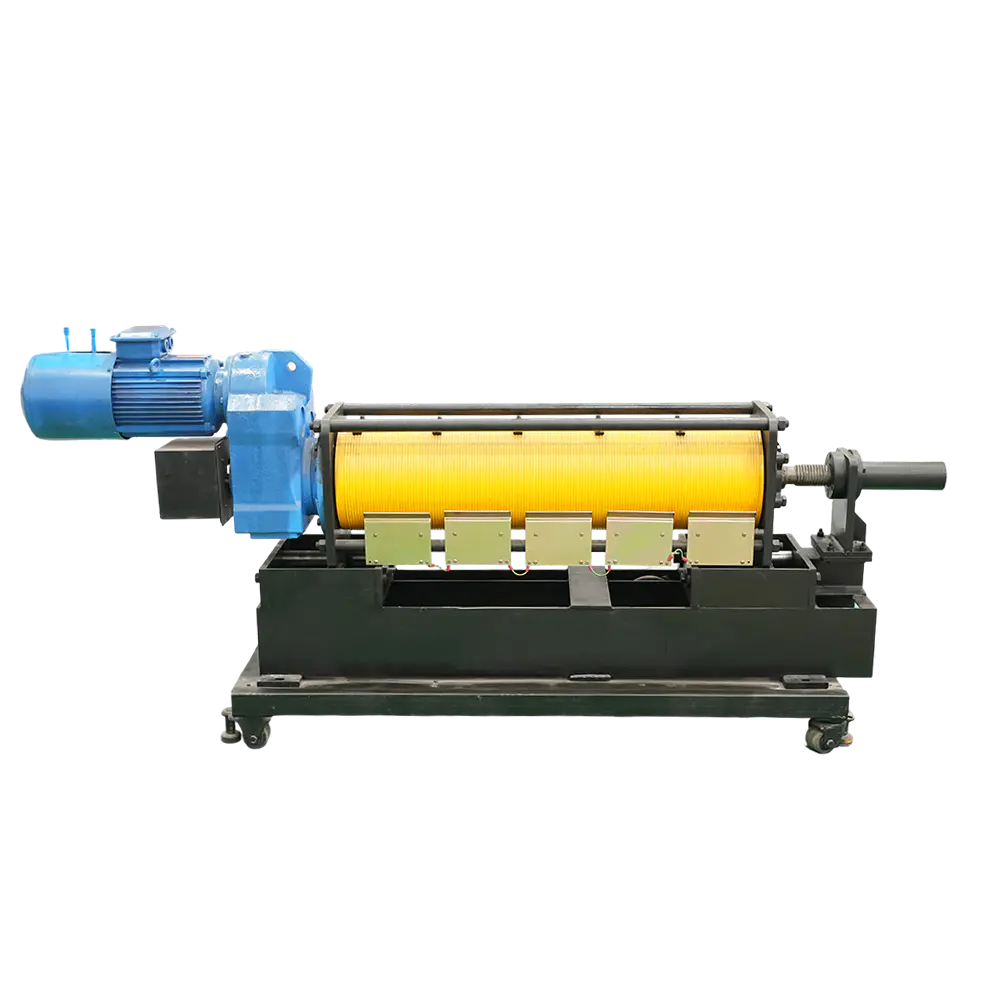
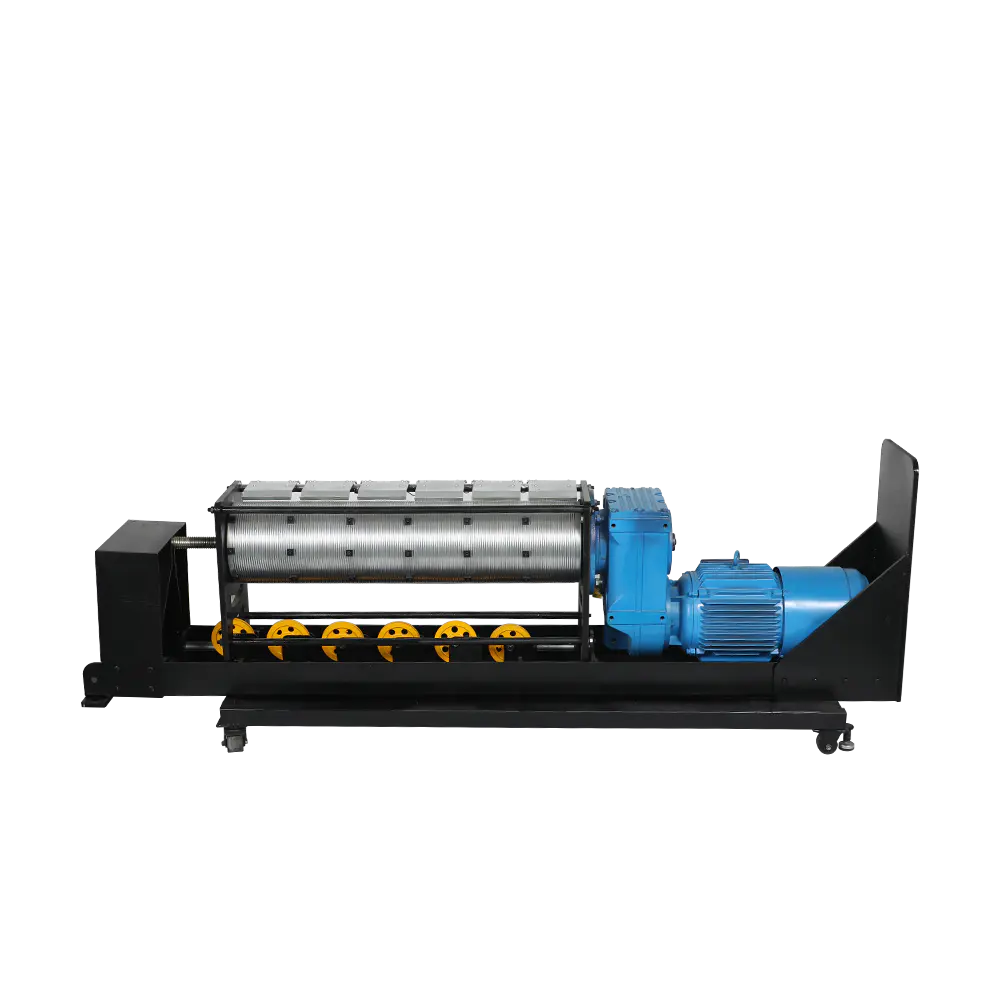
The servo-driven zero-fleet stage winch is developed to manage these challenges through the coordinated use of a servomotor, reducer, encoder, payload sensor, travel sensor, rope arrangement sensors, roller drum, dual external brakes, and pulleys. Together, these components create a controlled lifting system that can monitor operating conditions and adjust movement more intelligently than a basic motor-and-drum assembly.
Zero-fleet technology is especially valuable where installation space is limited or where consistent rope alignment is essential. The system is designed to guide the rope onto the drum in an orderly manner, reducing the possibility of overlapping or skipped winding. This improves the stability of the lifting process and supports more predictable maintenance intervals.
For venues investing in digital stage control, the winch can become part of a larger automation network. It can be integrated into coordinated control systems in which multiple winches, stage lifts, curtains, lighting structures, and scenic devices respond to programmed commands. The result is a more unified stage environment in which mechanical movement becomes an accurate and repeatable part of the artistic production.
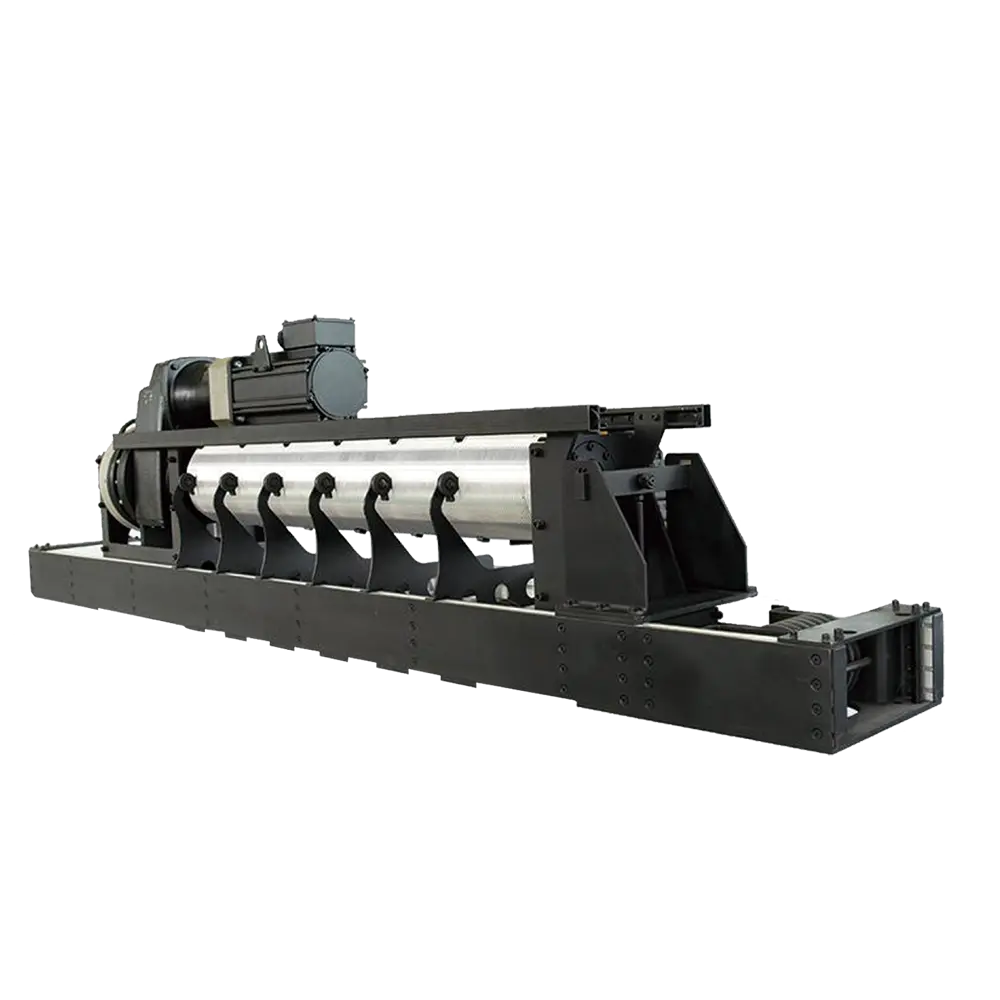
Servo-Driven Zero-Fleet Stage Winch
The central advantage of the Servo Series Stage Winch is its electric servomotor. A servo motor is designed to operate with continuous feedback and precise control. Instead of simply receiving a start or stop signal, the motor can be managed according to speed, position, acceleration, deceleration, torque, and other operating parameters. This creates a higher level of motion control than is normally available from a traditional fixed-speed motor.
The winch provides a speed range from approximately 0.001 to 3 meters per second. At the low end, the system can perform very slow and controlled movement for positioning, visual effects, or close-clearance operations. At higher speeds, it can support rapid scene changes and high-paced performance requirements. The ability to cover both extremes with one drive system reduces the need for separate low-speed and high-speed mechanisms.
This wide range is particularly useful when a production includes different movement styles. A suspended scenic panel may need to move slowly into view to create a gradual reveal, while a stage curtain or technical structure may need to travel quickly between sequences. Servo control allows the movement profile to be adjusted to the specific task instead of forcing every operation to use the same speed.
Accurate positioning is essential when multiple scenic or technical elements must meet at predetermined locations. The integrated encoder provides feedback about movement conditions, allowing the control system to track the operating position of the winch. This supports repeatable stopping points and helps reduce variation between production cycles.
Precise positioning also improves safety and efficiency. When an object consistently stops at the correct height, operators can reduce unnecessary corrective movements. This helps shorten changeover time, improves production repeatability, and reduces the risk of unexpected contact between moving equipment and surrounding structures.
Sudden starting and stopping can create mechanical shock, rope tension changes, and unwanted movement of the suspended payload. Servo control enables smoother acceleration and deceleration profiles. The winch can gradually increase speed, maintain a stable travel condition, and reduce speed before reaching the target position.
Smoother movement benefits both the equipment and the performance. Mechanical components experience less abrupt loading, while the audience sees more refined motion. Scenic elements can appear to float, descend, rise, or pause with greater control, supporting the artistic intent of the production.
Payload sensors allow the system to monitor changes in the load carried by the winch. If the operating condition changes, the control system can respond more quickly than a basic motor arrangement. This is important because a change in payload can affect torque, rope tension, acceleration, braking, and winding behavior.
The combination of payload monitoring and servo control helps prevent rope loosening and stacking. When the rope is not managed correctly, it may become slack or accumulate unevenly on the drum. Such conditions can reduce service life and create operational risks. By continuously considering the load condition and winding status, the winch supports more stable operation.
Zero-fleet technology refers to a rope management approach in which the rope is guided in a controlled relationship with the winch drum and outgoing load path. This is important because the winding pattern directly influences the reliability, service life, and safety of a lifting system. If the rope does not enter and leave the drum in a stable position, it may overlap, skip, loosen, or create uneven layers.
The adaptive zero-fleet design is intended to maintain an orderly winding process under changing operating conditions. Rope arrangement sensors monitor the position and winding behavior, while the mechanical guide structure helps maintain proper alignment. The result is a cleaner and more consistent winding pattern across repeated lifting cycles.
Neat winding technology is one of the defining features of the winch. The system is designed to reduce overlapping and skipping during operation. This is especially important in venues where the equipment operates frequently or where the available drum width and installation space are limited.
Overlapping can create uneven rope layers and localized pressure. Skipping may cause the rope to move outside its intended path, producing irregular tension or unexpected behavior. By controlling the rope arrangement, the winch supports more predictable movement and can reduce the need for frequent manual adjustment.
Stable rope tension contributes to smooth lifting and reliable braking. A loose rope may create delays or impact when the payload begins moving. Excessive tension, on the other hand, can increase stress on the rope, drum, pulleys, reducer, and supporting structure. The adaptive winding system works with the sensor package and servo drive to help maintain a more balanced operating condition.
Consistent rope tension is also valuable in synchronized applications. When several winches operate together, even small differences in rope behavior can become visible in the movement of scenery or equipment. A stable winding process helps each winch respond more consistently to shared control commands.
Many theaters and auditoriums have restricted technical spaces. Equipment may need to be installed above the stage, beside a fly tower, within a machinery room, or in an area with limited maintenance clearance. The compact and space-efficient structure of the Servo Series Stage Winch supports more flexible planning.
The system can be installed horizontally or vertically, depending on the venue layout and engineering requirements. This dual-installation capability allows designers to adapt the winch to the available structure rather than redesigning the entire machinery arrangement around a single mounting direction.
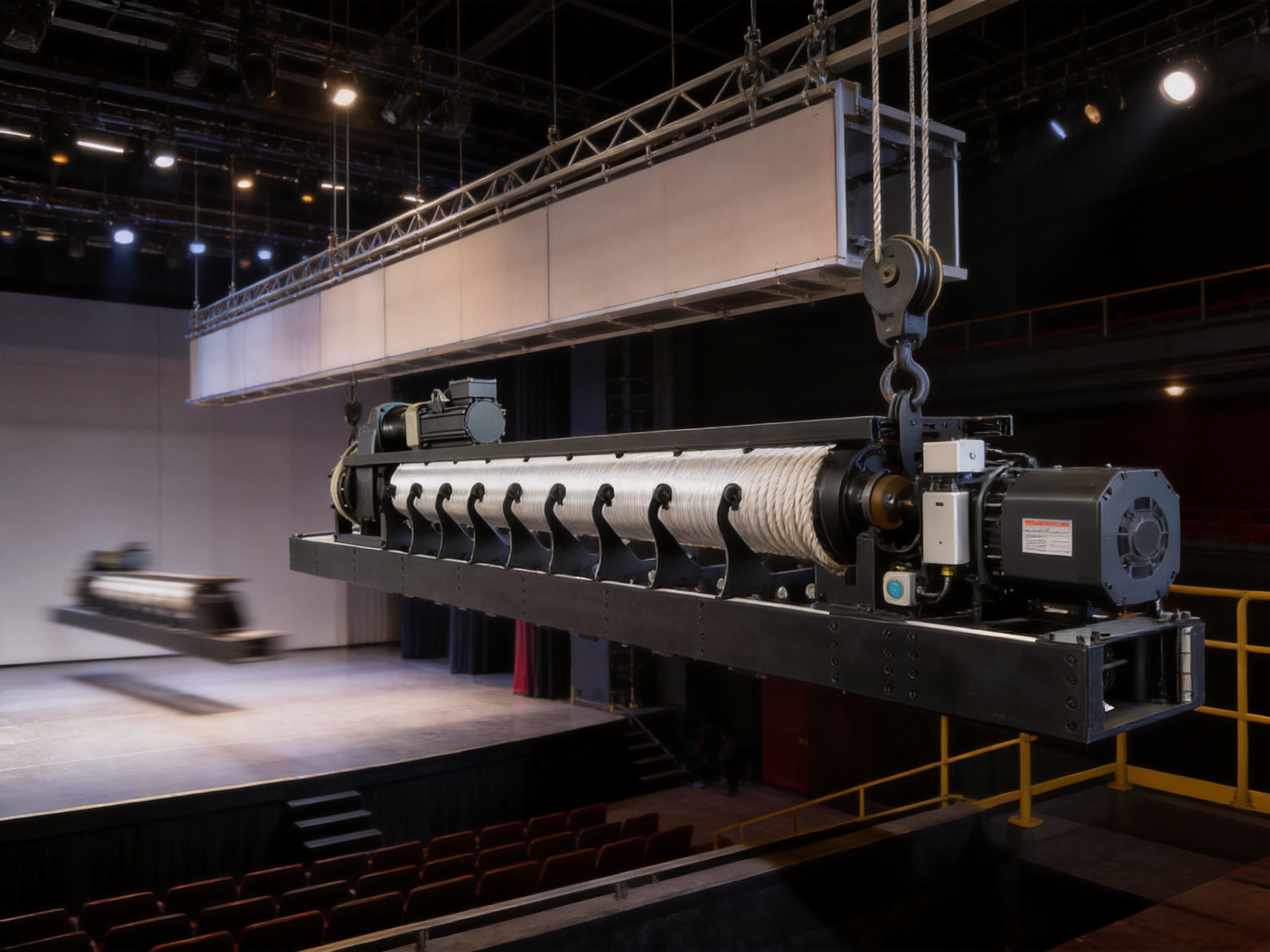
A high-performance stage winch is not defined by the motor alone. Reliable operation depends on the compatibility and coordinated performance of every mechanical and electrical component. The Servo Series Stage Winch integrates the following main elements: an electric servomotor, reducer, external dual brake, encoder, payload sensor, roller drum, travel sensor, rope arrangement sensors, base assembly, and pulleys.
The electric servomotor provides the primary driving force. Its function is to convert electrical control commands into accurately regulated mechanical movement. The motor is suitable for applications requiring a wide speed range, smooth response, and repeated positioning.
Servo motor performance is influenced by the control system, feedback device, mechanical transmission, and programmed motion profile. For this reason, the motor is engineered as part of an integrated winch rather than treated as an isolated component. The connection between motor control and rope movement is essential for achieving the desired accuracy.
The reducer transfers motor power to the roller drum while adapting speed and torque to the lifting application. A properly selected reducer helps the winch generate the necessary torque for the payload and supports controlled movement during acceleration, operation, and braking.
The reducer also contributes to the mechanical efficiency of the system. Its performance affects noise, heat generation, service requirements, and the long-term stability of the drive assembly. Careful integration of the reducer with the motor and drum helps ensure that the system responds consistently across its operating range.
The external dual brake arrangement provides an additional layer of operational security. Brakes are required to hold the payload when the winch is stationary and to respond during emergency conditions or control interruptions. Using two external brakes improves redundancy and supports safer holding performance.
Brake behavior must be coordinated with the servo drive. The system should accelerate, decelerate, stop, and hold without creating unnecessary shock or rope movement. Proper integration of the brakes, encoder, motor, and control logic is therefore critical to the overall performance of the winch.
The encoder provides feedback related to the rotational or positional state of the drive system. The travel sensor contributes additional information about movement limits or travel conditions. Together, these devices help the control system identify where the winch is operating and whether it is approaching a defined travel boundary.
Feedback sensors also assist with fault detection. If the expected movement does not correspond to the measured movement, the control system can identify an abnormal condition for inspection or protective action. This supports a more intelligent approach to stage machinery operation.
The payload sensor monitors the load condition of the lifting system. This information can be used to support control adjustments, identify unusual changes, and improve the response to different operating situations. Payload monitoring is particularly important for installations that may handle scenery or equipment with varying weights.
Although a payload sensor does not replace proper engineering calculations or safe operating procedures, it provides valuable real-time information. It allows operators and control systems to understand the actual working condition more clearly and to identify potential deviations before they become larger problems.
The roller drum stores and releases the rope in a controlled manner. Its design must be matched to the rope type, winding method, working load, speed, and installation geometry. The pulleys guide the rope through the lifting path and help transfer movement to the suspended payload.
Correct alignment between the drum, rope guide, pulleys, and load path is essential. The zero-fleet structure helps maintain this relationship while the sensors monitor winding behavior. The result is a coordinated mechanical path that supports reliable repeated operation.
Servo-driven zero-fleet technology is not the only motor technology used in stage machinery. Variable frequency drive systems and traditional AC motor systems remain common in many venues. Each technology has a suitable application range, but their control capabilities are different.
| Winch Type | Primary Control Method | Position Feedback | Speed Range | Typical Strength | Typical Application |
| Servo-driven zero-fleet stage winch | Servo motor with intelligent feedback | Integrated encoder and sensors | Ultra-wide, approximately 0.001 to 3 m/s | High precision, fast response, and stable rope management | Complex automation and synchronized performances |
| VFD stage winch | Variable frequency speed control | Usually more limited than a servo system | Adjustable according to motor and drive configuration | Smooth speed regulation and efficient general operation | Standard stage lifting and curtain movement |
| Traditional AC motor winch | Fixed or basic motor control | Limited feedback | Generally narrower | Simple structure and familiar maintenance | Basic lifting tasks with moderate control requirements |
A VFD stage winch uses a variable frequency drive to adjust the frequency supplied to the motor. This allows the motor speed to be changed and generally provides smoother starting and stopping than a fixed-speed AC system. VFD technology is a practical choice for standard lifting operations where flexible speed control is important but extremely precise positioning is not the primary requirement.
The servo-driven winch adds a higher level of feedback and motion management. It can coordinate speed, position, acceleration, deceleration, torque response, and sensor information. This makes it more suitable for applications in which multiple moving elements must remain synchronized or in which the winch must react quickly to load changes.
VFD systems may be appropriate for curtains, basic scenery movement, and standard lifting functions. Servo systems are better suited to performances involving complex motion profiles, repeated precision positioning, fast transitions, and digital coordination with other stage machinery.
Traditional AC motor winches are generally valued for their straightforward structure and familiar service requirements. They may be sufficient for basic lifting applications that do not require a broad speed range or advanced feedback. However, fixed-speed or minimally controlled systems can be less flexible when used for modern productions.
Compared with a traditional AC motor, a servo motor offers greater control over movement quality. It can help reduce abrupt acceleration, support more accurate stops, and respond more quickly to changing conditions. The benefits are especially evident when the performance requires several movements to occur simultaneously or when the payload must be positioned with a high degree of repeatability.
The choice between technologies should be based on the venue, load requirements, motion profile, control architecture, budget, service plan, and safety design. A servo-driven zero-fleet stage winch is not simply a replacement for every conventional winch. Its greatest value appears in applications where precision, synchronization, speed flexibility, and intelligent monitoring justify the advanced system design.
The Servo Series Stage Winch provides several advantages when compared with conventional stage winches and less integrated lifting systems. These advantages arise from the combination of servo control, adaptive zero-fleet technology, sensor integration, dual braking, and installation flexibility.
Many conventional systems are designed for a relatively narrow operating speed or a limited range of motion profiles. The Servo Series Stage Winch supports both extremely slow positioning and rapid travel. This allows venue operators to use one advanced system for a wider variety of production tasks.
A broad speed range also improves creative flexibility. Directors and technical designers can program gradual movement, synchronized transitions, rapid scene changes, and carefully timed stops without being constrained by a fixed motor response.
Performance venues often operate several lifting units at the same time. If the motion of one winch differs from another, the result may be visible in the alignment of scenery or equipment. Encoder feedback and servo control help coordinate movement more accurately and support consistent repeatability.
Improved synchronization can reduce the need for manual compensation. It also supports more complex automation sequences in which a winch is linked with lighting, projection, audio, stage lifts, or other technical systems.
The adaptive zero-fleet system is a major distinction from many basic winches. Neat winding technology is designed to prevent overlapping and skipping, while rope arrangement sensors provide information about winding conditions. This can improve operating stability and reduce the likelihood of irregular rope behavior.
Better rope management may also contribute to lower maintenance demand. When the rope is wound in an orderly pattern, the drum and rope are less likely to experience unnecessary localized stress. Regular inspection remains essential, but the equipment is designed to reduce avoidable winding problems during normal operation.
The external dual brakes, payload sensor, travel sensor, encoder, and rope arrangement sensors create a more comprehensive monitoring and holding system. These components do not eliminate the need for professional engineering, inspection, or operating procedures, but they provide more information and more control than a simple motor-driven winch.
The dual brake design is particularly valuable for applications in which suspended equipment must be held securely. The braking arrangement can support normal stopping, static holding, and emergency response when properly designed and commissioned for the installation.
Horizontal or vertical installation gives system designers more freedom when planning machinery rooms and stage structures. This is useful in existing venues where available space, support beams, access paths, or maintenance zones may restrict equipment orientation.
Installation flexibility can also reduce the need for costly structural modifications. The final configuration must still be verified by qualified engineers, but the ability to choose between two mounting directions creates additional options during the design stage.
The servo-driven winch is intended for integration into modern digitally controlled stage systems. Its sensor and feedback architecture makes it suitable for control platforms that require information about speed, position, travel, payload, and winding conditions.
Digital integration allows stage operators to create repeatable presets and automated sequences. It can also improve monitoring by making operating information available to the control interface. In a properly engineered system, this supports clearer diagnostics, more consistent operation, and better coordination between different technical departments.
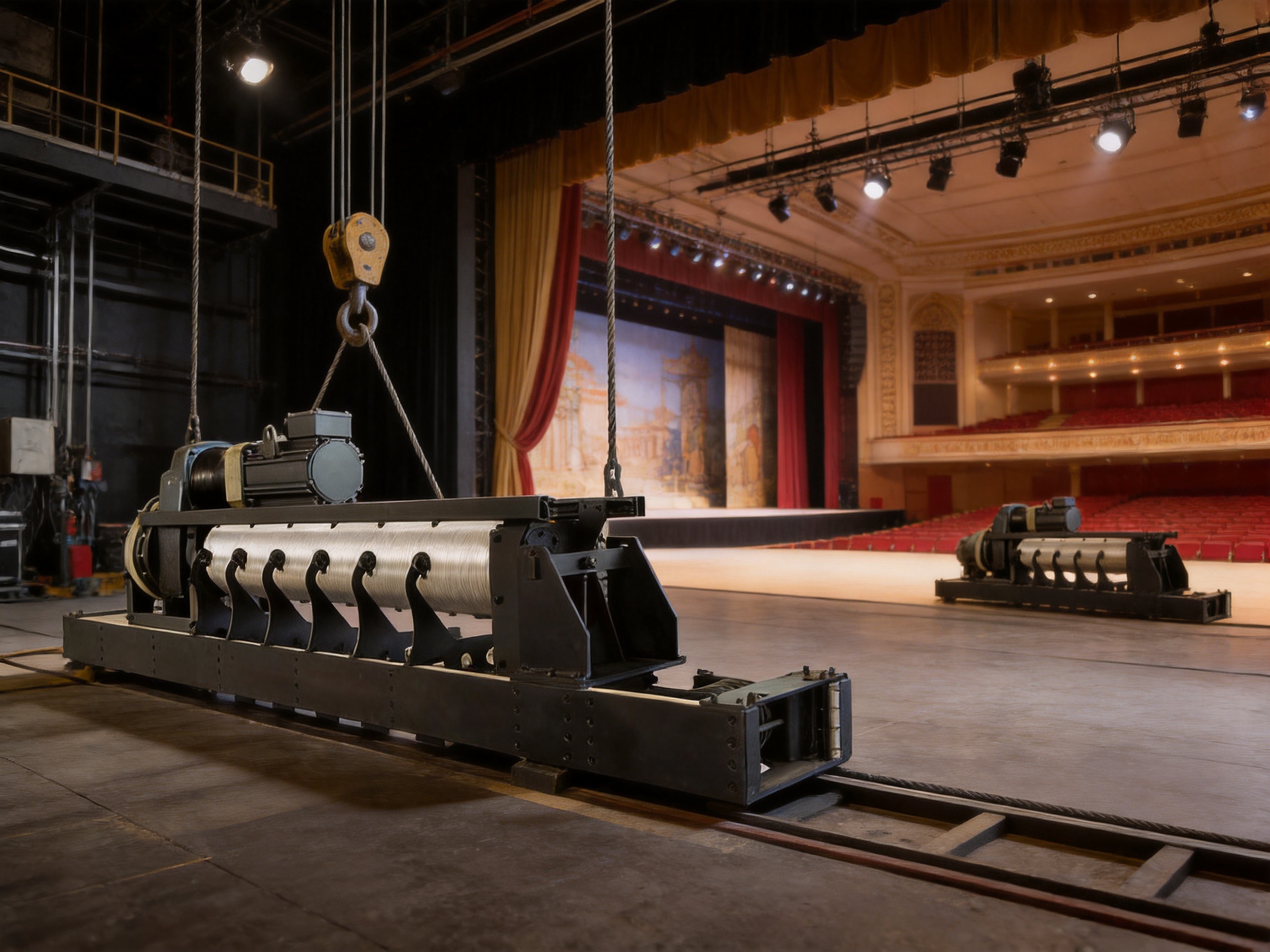
The Servo Series Stage Winch is suitable for a wide range of medium-sized and large performance environments. Its capabilities are particularly valuable where precise movement and frequent operation are required.
Theaters and opera houses often use suspended scenery, curtains, lighting battens, acoustic elements, and decorative structures. These components may need to move quietly and accurately during live performances. The winch can support controlled movement profiles that help maintain the visual quality of the production.
Opera productions may involve large scenic pieces that move slowly and dramatically, while theatrical performances may demand rapid transitions between scenes. The wide speed range of the servo system is suitable for both requirements.
Cultural centers and auditoriums frequently host different types of events, including concerts, lectures, dance performances, ceremonies, exhibitions, and touring productions. Their stage machinery must therefore be adaptable rather than optimized for only one type of show.
A servo-driven winch provides a flexible foundation for changing technical requirements. Operators can use different programmed movement profiles for different events, while the horizontal or vertical installation options help accommodate varied building layouts.
Large performance spaces may require fast movement, synchronized equipment, and reliable operation across wide technical areas. Stage machinery used in stadiums and arenas must often support demanding show schedules and frequent changes between events.
The rapid response of servo control and the monitoring capability of the integrated sensor package make the winch suitable for applications where timing and coordination are critical. Final selection should consider the payload, duty cycle, environmental conditions, support structure, and control system of the venue.
Conference centers and multifunctional halls may use movable screens, curtains, banners, acoustic equipment, projection systems, and decorative structures. The same equipment may be required to perform different tasks during a single day.
The winch’s adjustable speed, repeatable positioning, and compact installation options can help these venues reconfigure their technical spaces efficiently. Its application should be determined through a complete engineering assessment that considers the intended load and movement cycle.
The performance of a stage winch depends not only on its design but also on the consistency of its manufacturing process. Precision components must be produced, assembled, tested, and documented according to controlled procedures. RenteZhihe (JiangSu) Equipment Technology Co., Ltd. supports its stage machinery products through a manufacturing facility of approximately 20,000 square meters.
The facility includes modern production workshops and research spaces. More than 30 CNC processing devices support the production of mechanical components and assemblies. The equipment includes laser cutting machines, CNC lathes, CNC bending machines, machining centers, and surface treatment equipment.
Laser cutting supports accurate preparation of metal plates and structural components. Consistent cutting dimensions are important for base assemblies, protective structures, brackets, mounting parts, and other components that must fit together during assembly.
Accurate material preparation helps reduce unnecessary rework and supports better consistency between production batches. It also allows the manufacturing team to produce customized components for different venue requirements without relying only on standard off-the-shelf dimensions.
CNC lathes and machining centers are used to produce components requiring controlled dimensions, accurate holes, precise surfaces, and repeatable geometry. These processes are important for mechanical parts such as shafts, couplings, drum-related components, brackets, and other elements within the drive and support assemblies.
Computer-controlled machining improves repeatability and helps engineering teams maintain production records. It also supports the customization of winch components according to payload, speed, drum, installation, and control requirements.
CNC bending equipment supports the production of formed metal components with consistent angles and dimensions. Accurate bending contributes to the fit and strength of equipment frames, guards, mounting structures, and protective covers.
Structural fabrication must account for the forces generated during lifting, acceleration, deceleration, braking, and payload changes. Controlled forming and assembly procedures help maintain the intended geometry of the finished product.
Surface treatment helps protect metal components from corrosion and environmental wear. It also improves the appearance and serviceability of stage machinery. The appropriate treatment depends on the material, installation environment, exposure conditions, and customer requirements.
Because stage machinery may be installed in different regions and building types, surface protection should be considered as part of the product customization process. Proper preparation and treatment can contribute to longer service life and easier maintenance.
Quality control for stage machinery must cover both individual components and the complete assembled system. A winch can only perform reliably when the motor, reducer, drum, brakes, sensors, rope path, structure, and control system operate together as intended.
Key mechanical and electrical components should be inspected before assembly. Dimensional checks, material verification, surface inspection, electrical checks, and supplier documentation all contribute to production consistency. Critical components require particular attention because their failure could affect safety or system availability.
During assembly, technicians verify the alignment of the motor, reducer, drum, brakes, sensors, base assembly, pulleys, and rope guidance components. Proper alignment is necessary to reduce vibration, uneven wear, abnormal noise, and winding problems.
Sensor installation also requires careful verification. The encoder, payload sensor, travel sensor, and rope arrangement sensors must be positioned and configured correctly so that the control system receives reliable information.
Functional testing evaluates the winch under controlled operating conditions. Testing may include starting, stopping, low-speed operation, high-speed operation, acceleration, deceleration, braking, positioning, sensor response, and rope winding behavior.
The purpose of testing is to identify deviations before delivery and to confirm that the equipment responds as expected. Where the customer provides specific operating requirements, testing can be adapted to reflect the intended installation and motion profile.
Commissioning connects the manufactured equipment to the customer’s stage control system and physical installation. It may include parameter adjustment, travel limit configuration, motion profile development, brake verification, sensor calibration, and operator training.
Professional commissioning is essential because the same winch may behave differently depending on the rope path, payload, pulley arrangement, structure, control network, and operating environment. A complete engineering approach therefore continues beyond factory production and includes installation support and final testing at the venue.
Stage projects rarely have identical requirements. A theater renovation, a new cultural center, and a multifunctional auditorium may all require different payloads, travel distances, speeds, drum arrangements, mounting directions, control interfaces, and service conditions.
RenteZhihe (Jiangsu) Equipment Technology Co., Ltd. provides customization support for different stage machinery specifications. The engineering process can begin with an assessment of the venue, intended applications, load requirements, available space, movement sequence, and integration needs.
An application assessment determines how the winch will be used and what conditions it must withstand. Important factors include the working load, travel distance, duty cycle, desired speed, acceleration, stopping accuracy, installation orientation, rope arrangement, environmental conditions, and control architecture.
This information helps define the correct configuration. It also reduces the risk of selecting equipment based only on a single rating while overlooking the broader operating cycle.
System design includes mechanical layout, support structure, rope routing, pulley arrangement, electrical supply, control communication, safety functions, and maintenance access. The winch must be evaluated as part of the stage system rather than as an isolated product.
Engineering teams can use the horizontal or vertical mounting capability to create a practical arrangement for the available machinery space. The final design should provide adequate access for inspection, adjustment, cleaning, and component replacement.
Installation involves positioning and securing the winch, routing the rope, connecting the control and power systems, configuring sensors, and checking the movement path. Commissioning then verifies that the equipment functions correctly with the actual payload and venue control system.
Professional installation and commissioning help ensure that the product’s capabilities are used correctly. They also provide an opportunity to train operators and maintenance personnel in inspection routines, fault response, and safe operating procedures.
Long-term reliability depends on regular inspection and maintenance. Operators should monitor unusual noise, vibration, temperature, rope condition, winding pattern, brake response, sensor signals, and movement accuracy. Maintenance schedules should be established according to the equipment duty cycle and venue operating environment.
Because the winch includes multiple sensors and intelligent control elements, maintenance should address both mechanical and electrical systems. Keeping accurate service records can help identify trends and support preventive maintenance before a problem interrupts a performance schedule.
Investment in stage machinery should be evaluated over the complete service life of the equipment rather than only by initial purchase price. A system that provides accurate movement, stable rope management, and dependable operation may reduce downtime, maintenance disruption, and the need for manual correction.
Servo control can improve operational efficiency by delivering the required movement profile without relying on unnecessary full-speed operation. Precise acceleration and deceleration may reduce mechanical impact, while accurate positioning can shorten setup and reset procedures.
The adaptable design also supports long-term venue development. As productions become more automated, the winch can be integrated into broader digital control systems. Its sensor architecture provides a foundation for monitoring and coordinated operation rather than limiting the venue to basic start-and-stop control.
Manufacturing quality is another part of long-term value. Consistent CNC processing, controlled assembly, component inspection, and functional testing can improve product reliability and reduce the cost associated with repeated repairs or premature replacement.
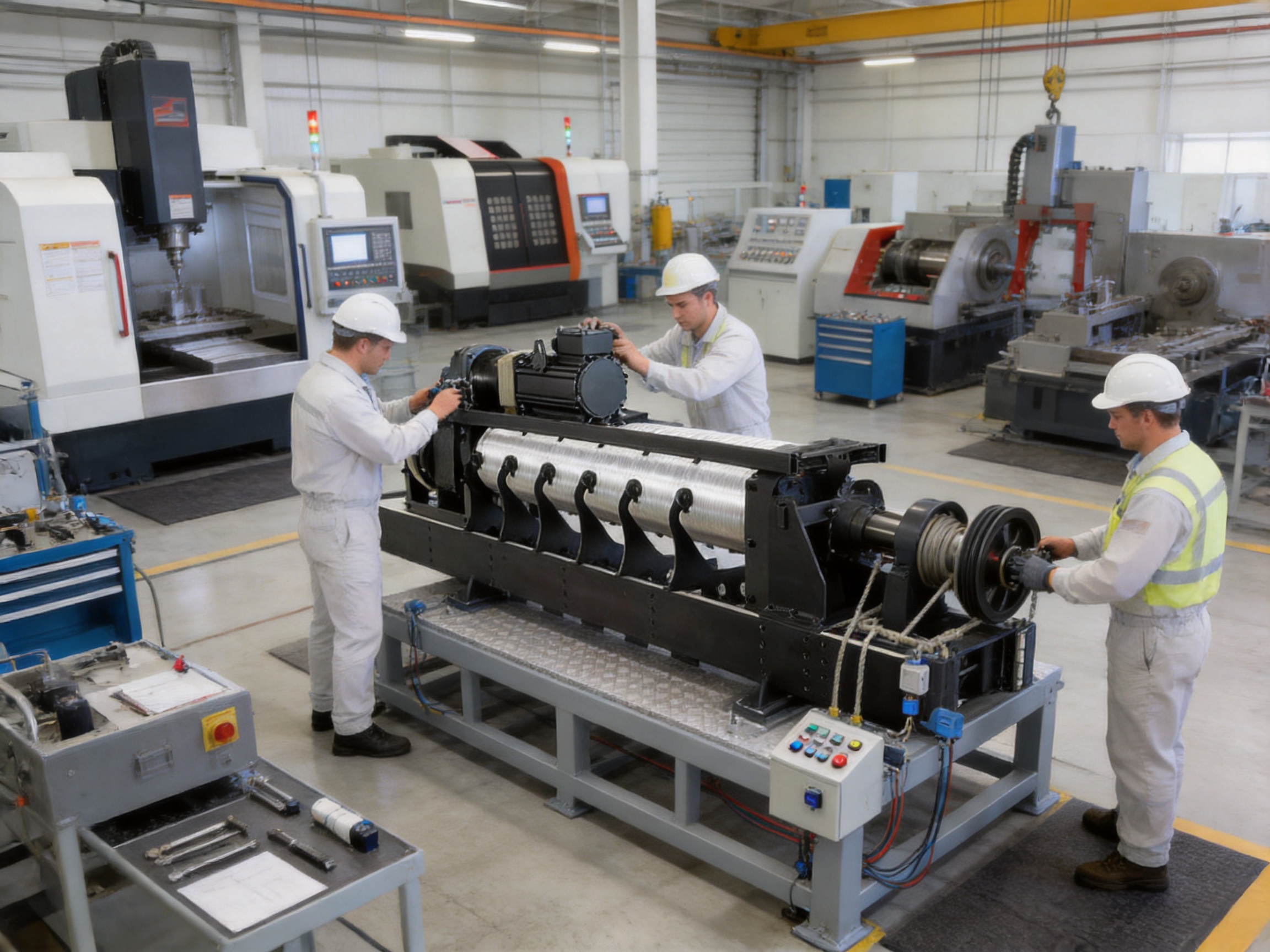
A servo-driven zero-fleet stage winch is a stage lifting system that combines an electric servomotor with adaptive rope management technology. It uses feedback devices such as encoders, payload sensors, travel sensors, and rope arrangement sensors to support accurate movement, stable winding, and responsive operation.
The product is designed to provide an ultra-wide speed range of approximately 0.001 to 3 meters per second. The exact operating speed should be selected according to the payload, travel distance, control profile, installation design, and applicable safety requirements.
Zero-fleet technology helps maintain a controlled relationship between the rope, drum, guide system, and load path. It supports neat winding, reduces overlapping and skipping, and helps maintain more stable rope tension during repeated operation.
A VFD stage winch primarily uses variable frequency control to adjust motor speed and improve starting and stopping. A servo winch adds more advanced feedback and motion control, including accurate positioning, rapid response, and coordinated management of speed, position, load, and movement conditions.
Yes. Although it is designed for advanced automation, the winch can also be used for standard lifting functions when its capacity, speed, installation, and control requirements match the project. It is especially valuable where future expansion or digital integration is expected.
Yes. The product supports horizontal and vertical installation, allowing designers to select the orientation that best suits the available space and structural arrangement. The final installation must be verified by qualified engineering personnel.
The main components include an electric servomotor, reducer, external dual brake, encoder, payload sensor, roller drum, travel sensor, rope arrangement sensors, base assembly, and pulleys. The final configuration may vary according to the project requirements.
The winch is suitable for theaters, opera houses, auditoriums, cultural centers, stadium performance spaces, conference centers, and multifunctional halls. It is particularly appropriate for venues requiring synchronized movement, flexible speed control, and intelligent stage automation.
The payload sensor provides information about the load condition. This helps the control system and operators identify changes in the working load and respond more appropriately to different operating conditions. It should be used together with proper engineering calculations and safety procedures.
The manufacturer operates a production and research facility of approximately 20,000 square meters with more than 30 CNC processing devices. Its capabilities include laser cutting, CNC turning, CNC bending, machining centers, surface treatment, assembly, inspection, testing, installation, and commissioning support.
Yes. Customization may address the payload, speed range, travel distance, installation orientation, rope arrangement, control interface, structural configuration, and venue-specific operating requirements. A complete application assessment is recommended before final configuration.
Maintenance should include inspection of the rope, drum, pulleys, brakes, reducer, motor, sensors, fasteners, electrical connections, and control functions. Operators should also monitor unusual noise, vibration, temperature, winding behavior, and positioning accuracy. The maintenance schedule should reflect operating frequency and venue conditions.
The Servo-Driven Zero-Fleet Stage Winch represents a significant development in precision stage lifting. Its combination of servo motor control, ultra-wide speed regulation, adaptive rope management, payload monitoring, encoder feedback, dual external brakes, and flexible installation provides a strong solution for modern performance venues.
Compared with traditional AC motor winches, it offers greater positioning accuracy, smoother motion, and more advanced feedback. Compared with standard VFD winches, it provides broader motion management and stronger support for synchronized, digitally controlled applications. Its zero-fleet technology further improves rope organization by reducing overlapping, skipping, and unstable winding.
The product’s value is reinforced by the manufacturing and engineering capabilities of RenteZhihe (Jiangsu) Equipment Technology Co., Ltd. With a large production facility, CNC processing equipment, professional engineering personnel, quality inspection procedures, and complete project services, the company can support customized stage machinery from initial design through installation, commissioning, operation, and maintenance.
For theaters, auditoriums, cultural centers, stadiums, and multifunctional venues seeking reliable automation, the servo-driven zero-fleet stage winch provides a combination of precision, flexibility, safety, and long-term engineering value. When selected and installed according to the requirements of the specific venue, it can become a dependable foundation for sophisticated stage movement and future-ready performance technology.
1. RenteZhihe (Jiangsu) Equipment Technology Co., Ltd. Product information for the Servo Series Stage Winch.
2. RenteZhihe (Jiangsu) Equipment Technology Co., Ltd. Technical information concerning stage machinery, intelligent control systems, installation, commissioning, and maintenance services.
3. General principles of electric servo motor control, encoder feedback, variable frequency drive systems, and industrial motion management.
4. General engineering principles for stage lifting equipment, rope management, braking systems, pulley arrangements, and suspended-load safety.
5. General manufacturing practices for CNC machining, laser cutting, structural fabrication, surface treatment, inspection, and functional testing of industrial equipment.
We specialize in delivering advanced stage machinery, rigging systems and intelligent control solutions for performance spaces worldwide.

No. 111 Runfeng Road, Hailing District, Taizhou City, Jiangsu Province, China

rtstage@163.com

+86-139 1771 1698

+86-139 1771 1698
rtstage@163.com
 中文简体
 English
 русский
 Français
 Español
 عربى